

Nagercoil: Land of Churches and Temples, Travancore Legacy and the Political Crossroads of Kanyakumari
 By Nandhini
- Tamil
- Hindi
- Malayalam
- Kannada
- Telugu
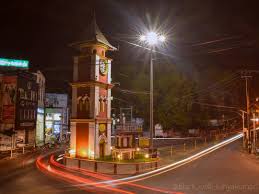
Constituency No. 230 | Kanyakumari District | General
Nagercoil is one of the most distinctive constituencies in Tamil Nadu. Located in the southernmost district of the state, it sits at the cultural and political crossroads between Tamil Nadu and the old princely state of Travancore. Geography, religion and history converge here to create a constituency unlike any other in the state.
Unlike most Tamil Nadu seats where a single religious tradition dominates the cultural landscape, Nagercoil reflects a striking plural character. Temples, churches and educational institutions stand side by side across the town and its surrounding settlements. The constituency is therefore often discussed in political circles as a barometer of religious diversity and social balance in the Kanyakumari region.
From Travancore-era administrative roots to modern electoral contests that attract state-wide attention, Nagercoil carries a political importance far beyond its size.
Travancore Roots and Historical Identity

Before the linguistic reorganisation of states in 1956, the region that now forms Kanyakumari district — including Nagercoil — was part of the Kingdom of Travancore. Administrative, educational and missionary institutions established during that period helped shape the town’s character.
Nagercoil became an important administrative centre in southern Travancore. After the reorganisation of states, the Tamil-speaking taluks of the region were merged with Tamil Nadu, forming Kanyakumari district.
The Travancore legacy still influences the constituency’s architecture, educational institutions and cultural practices.
Temples of the Nagercoil Region

Despite the district’s visible Christian presence, the religious landscape of Nagercoil remains deeply rooted in temple traditions.
One of the most prominent shrines is the Nagaraja Temple, dedicated to the serpent deity Nagaraja. The temple is unique for its worship of serpent gods and draws devotees seeking relief from naga dosha and other spiritual afflictions.
The shrine’s rituals, architecture and sacred grove reflect a blend of Tamil and Kerala temple traditions — a reminder of the region’s historical link with Travancore.
Other temples in the broader constituency include shrines dedicated to Amman, Murugan and Shiva, many of which host vibrant annual festivals.
Churches and Missionary Legacy
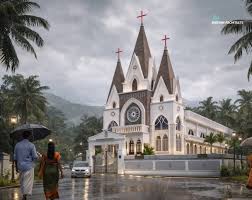
Nagercoil is equally known for its historic churches and missionary institutions. Among the most prominent is the Home Church Nagercoil, an important Protestant church associated with early missionary activity in the region.
Christian educational institutions founded by missionaries have played a major role in the district’s social development. Schools and colleges established during the 19th and early 20th centuries contributed to high literacy levels and helped shape the region’s intellectual life.
The presence of numerous churches across the constituency reflects this strong missionary legacy.
Education and Social Development

Kanyakumari district consistently records some of the highest literacy levels in Tamil Nadu, and Nagercoil has been central to that achievement. Educational institutions established during the Travancore era and later expanded under missionary and local management have produced generations of scholars, professionals and public figures.
The town hosts colleges, schools and training institutes that attract students from across southern Tamil Nadu.
Education therefore forms a crucial pillar of the constituency’s identity.
Commerce and Urban Life
Nagercoil functions as the commercial centre of Kanyakumari district. Markets, textile shops and small businesses line its streets, serving residents from surrounding towns and villages.
The town’s location near the Kerala border encourages cross-border trade and cultural exchange. Agricultural produce, fish from coastal villages and goods from neighbouring Kerala markets circulate through Nagercoil’s commercial networks.
Urban growth in recent decades has expanded residential areas while maintaining the town’s traditional market culture.
Religious Diversity and Political Debate
Because of its religious diversity, Nagercoil often becomes a focal point for political debates concerning religious conversion, minority rights and social harmony. These issues occasionally surface during election campaigns.
However, the constituency’s daily life reflects long-standing coexistence among communities. Temples, churches and mosques continue to function within the same civic space, and residents from different backgrounds interact regularly in markets, schools and public institutions.
Political rhetoric may occasionally highlight differences, but the town’s social fabric has historically been built on coexistence.
Electoral Ledger:
2011
Winner — M. A. S. Hussain (DMK) — 78,804 votes
Runner-up — P. Dharmaraj (AIADMK) — 74,438 votes
Third — S. Austin (INC) — 10,839 votes
Winning Margin — 4,366 votes
2016
Winner — N. Suresh Rajan (DMK) — 67369 votes
Runner-up — Gandhi M R (BJP) — 46413 votes
Third — Nanjil Murugesan A (ADMK) — 45824 votes
Winning Margin — 20956 votes
2021
Winner — Gandhi M.R. (BJP) — 88,804 votes
Runner-up — Suresh Rajan N. (DMK) — 77135 votes
Third — Vijayaragavan (NTK)— 10753 votes
Winning Margin — 11,669 votes
The constituency often attracts attention because of the presence of national parties and the district’s unique social composition.
Civic and Development Concerns
Residents frequently highlight several key issues:
urban infrastructure and traffic management
expansion of educational facilities
employment opportunities for youth
preservation of communal harmony
Given its urban character, municipal services and infrastructure development often dominate local political debates.
Political Temperament
The electorate of Nagercoil includes traders, students, professionals, farmers from surrounding villages and coastal communities. Political mobilisation often reflects the district’s mix of urban and rural concerns.
Election campaigns typically focus on development, employment and social harmony.
Because of the constituency’s diversity, candidates often adopt broad coalition strategies appealing to multiple communities.
What Decides Nagercoil
Three factors generally influence electoral outcomes:
Religious diversity
Community balance shapes political strategies.
Urban development
Infrastructure and employment matter to voters.
Educational networks
Student populations and academic institutions influence civic debates.
Nagercoil voters therefore evaluate candidates through both local development priorities and broader social considerations.
Closing Frame
In Nagercoil, temple bells from Nagaraja shrine mingle with church chimes across the town. Markets bustle with traders while students stream through the streets toward colleges and schools.
The constituency stands as a reflection of Kanyakumari district itself — diverse, historically layered and politically alert.
When Nagercoil votes, the verdict carries the voice of a region where faiths intersect, history endures and the southern tip of Tamil Nadu speaks through the ballot.