

Perambur: Rail Coach Capital, Working-Class Heartland and the Industrial Pulse of North Chennai
 By Nandhini
- Tamil
- Hindi
- Malayalam
- Kannada
- Telugu
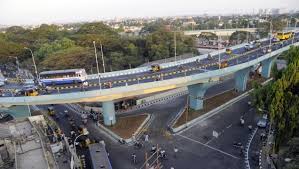
Constituency No. 12 | Chennai District | General
Perambur stands as one of the most historically important industrial neighbourhoods of Chennai. Located in the northern part of the city, the constituency grew around railway workshops and manufacturing units that transformed what was once a modest settlement into a bustling urban centre.
Today Perambur represents a dense, working-class urban constituency shaped by railway heritage, commerce, residential neighbourhoods and vibrant street life.
The area’s identity is inseparable from the massive railway manufacturing complex known as the Integral Coach Factory, one of the largest rail coach manufacturing units in Asia. For decades this factory has produced thousands of coaches that run across India’s railway network.
The presence of railway workshops, labour colonies and transport infrastructure created a distinctive social fabric in Perambur — a community of workers, traders and middle-class families whose lives are closely linked to the industrial development of Chennai.
Thus Perambur stands not merely as a residential suburb but as a symbol of Chennai’s industrial growth and working-class identity.
Birth of a Railway Township
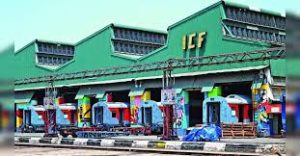
Perambur’s modern growth began during the colonial era when railway workshops were established in the region. The availability of land and proximity to Madras city made it an ideal location for railway infrastructure.
Over time the railway complex expanded, eventually leading to the establishment of the Integral Coach Factory (ICF) in the 1950s. The factory quickly became one of the most important industrial units in India’s railway system.
ICF manufactures passenger coaches used across the Indian Railways network, including modern train sets and high-speed rolling stock.
Generations of railway workers and engineers have lived in colonies surrounding the factory, creating a unique industrial community that defines the character of Perambur.
Integral Coach Factory Legacy
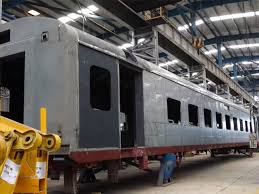
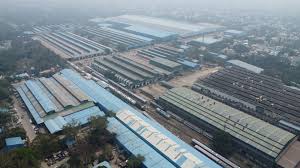
The Integral Coach Factory remains the most prominent landmark of the constituency. Spread across a vast campus, the factory employs thousands of workers and engineers who design and assemble railway coaches.
The facility has played a crucial role in the modernisation of Indian Railways. Over the decades it has produced everything from conventional passenger coaches to advanced train sets.
The factory’s presence has shaped not only the economy but also the identity of the neighbourhood. Many families in Perambur trace their roots to railway employment, making the constituency one of Chennai’s classic working-class districts.
Railway Junction and Transport Hub
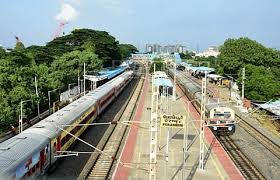
Perambur is also known for the busy Perambur Railway Station, which serves as a major node in the Chennai suburban rail network. Thousands of commuters pass through the station daily on their way to workplaces across the city.
The area is connected to central Chennai, Basin Bridge, Villivakkam and other suburban stations through multiple railway lines. This rail connectivity has historically made Perambur an important residential choice for railway employees and urban workers.
Road networks linking the constituency to the rest of Chennai further reinforce its position as a transport hub.
Commerce and Busy Streets
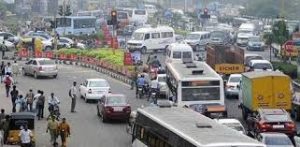
Perambur today is one of the most vibrant commercial zones in North Chennai. Busy streets lined with shops, markets and eateries create a lively urban atmosphere throughout the day.
Local markets sell everything from fresh vegetables and groceries to textiles and electronics. Street-side vendors and small businesses thrive in the dense neighbourhoods surrounding the main roads.
Restaurants, bakeries and tea shops cater to the large population of workers, students and residents who live in the area.
This commercial activity reflects the everyday energy of a working-class urban constituency.
Residential Neighbourhoods
Despite its industrial roots, Perambur has evolved into a dense residential suburb. Old railway quarters coexist with apartment complexes, independent houses and new residential developments.
Neighbourhoods such as Perambur Barracks Road and surrounding areas host a mix of communities that have lived in the locality for generations.
Schools, colleges, hospitals and places of worship serve the diverse population of the constituency.
The result is a vibrant urban society shaped by both long-standing traditions and modern city life.
Temples and Religious Diversity
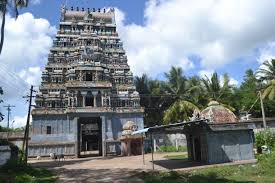
Perambur’s cultural landscape includes numerous temples, churches and mosques reflecting the diversity of Chennai’s urban population.
Among the prominent temples in the region is the Srinivasa Perumal Temple Perambur, where devotees gather during festivals and special occasions.
Churches and mosques also play important roles in the social life of the neighbourhood.
Religious festivals across communities contribute to the cultural richness of the constituency.
Electoral Ledger:
2011
Winner — K. Mahendran (AIADMK) — 64,772 votes
Runner-up — K. K. S. S. R. Ramachandran (DMK) — 58,395 votes
Third — R. Rajan (DMDK) — 18,213 votes
Winning Margin — 6,377 votes
2016
Winner — P. Vetrivel (ADMK) — 79974 votes
Runner-up — N R Dhanapalan (DMK) — 79455 votes
Third — A Soundara rajan (CPM) — 10281 votes
Winning Margin — 519 votes
2021
Winner — R. D. Sekar (DMK) — 105267 votes
Runner-up — Dhanapalan N R (AIADMK) — 50291 votes
Third — Merlin suganthi.S (Naam Tamilar Katchi) — 19821 votes
Winning Margin — 54976 votes
Urban issues and working-class concerns often shape electoral debates in the constituency.
Civic and Development Concerns
Residents frequently highlight several challenges:
traffic congestion on busy roads
drainage and flood management during monsoon
improvement of public transport and railway infrastructure
housing and urban planning for dense neighbourhoods
Balancing industrial heritage with modern urban development remains a key challenge.
Political Temperament
The electorate includes railway workers, government employees, traders, professionals and small business owners. Working-class concerns and urban civic issues strongly influence voter sentiment.
Campaigns often focus on infrastructure development, housing, employment and public transport improvements.
Because of its industrial history, labour welfare and workers’ rights also resonate strongly in political discourse.
What Decides Perambur
Three factors usually shape electoral outcomes:
Industrial legacy
Railway workers and industrial employees form a key voter base.
Urban infrastructure
Transport, drainage and housing influence public sentiment.
Commercial activity
Small businesses and traders play an important economic role.
Perambur voters therefore weigh urban development alongside working-class concerns.
Closing Frame
Across the streets of Perambur, trains roll out from the coach factory while commuters crowd railway platforms and shops buzz with daily trade. The neighbourhood carries the unmistakable energy of a district built on industry and labour.
The constituency stands as one of Chennai’s historic working-class heartlands.
When Perambur votes, the verdict reflects the voice of a community shaped by railways, commerce and the enduring spirit of North Chennai.