


Chennai, May 22:
Tamil Nadu’s emergency healthcare system has emerged significantly stronger in the post-COVID period, leading to notable improvements in maternal and newborn health outcomes, according to a study by the Indian Institute of Technology Madras.
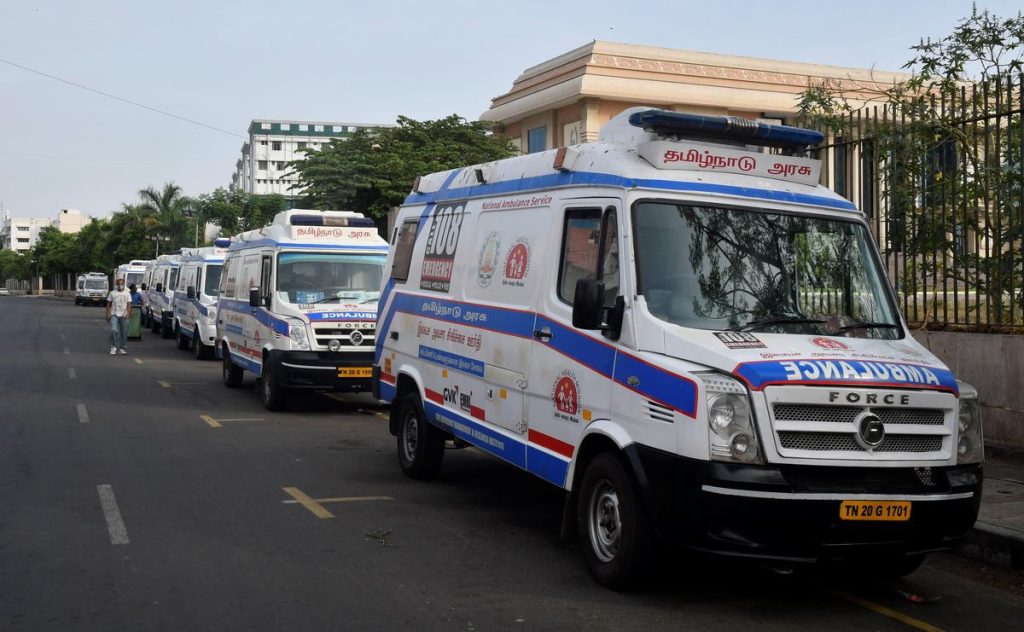
The study, based on eight years of real-world data (2017–2024) from the State’s 108 ambulance network, found that sustained investments in Emergency Medical Services (EMS) and maternal healthcare helped not only offset pandemic-related disruptions but also deliver outcomes better than pre-COVID levels.
Researchers analysed ambulance registry data across 42 districts, covering a population of over 84 million, making it one of the most comprehensive studies of its kind. The findings revealed improved response efficiency, including faster ambulance response, patient transfer and hospital handoff times, particularly after the first wave of the pandemic.
Significantly, maternal mortality in Tamil Nadu declined by 19 per cent to 37 deaths per 100,000 live births—well below the national average. The study also recorded a 36 per cent reduction in home deliveries, a 28 per cent drop in miscarriages, and over 19 per cent decline in complicated vaginal births. Neonatal and infant mortality rates fell by 17 per cent and 19 per cent respectively.
The research was led by Prof. P. Kandaswamy along with Ashwin Prakash of Moody’s Analytics. The findings have been published in the peer-reviewed journal BMC Pregnancy and Childbirth.
The study highlighted that despite severe disruptions during the pandemic—particularly during the second wave when maternal mortality surged sharply—the State’s healthcare system demonstrated strong recovery and resilience. Programmes such as risk-stratified antenatal care and the integrated 108 ambulance network were identified as key contributors to improved outcomes.
Researchers noted that Tamil Nadu’s model could serve as a blueprint for other Indian states with weaker emergency systems and higher maternal mortality rates. However, they cautioned that while the study shows strong correlations, it does not establish direct causation and called for further long-term analysis.
Overall, the findings underscore the impact of sustained public investment in healthcare infrastructure, workforce expansion and targeted maternal health initiatives, even in the face of large-scale crises.