

Gangavalli: Foothills, Fields and the Reserved Rural Mandate

- Tamil
- Hindi
- Malayalam
- Kannada
- Telugu
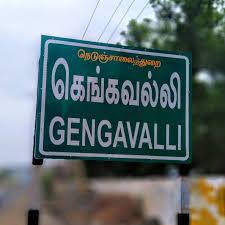
Constituency No. 81 | Salem District | Scheduled Caste
Gangavalli rests along the eastern flank of Salem district, close to the Kalrayan hills and the transition zone between dry plains and forested uplands. It is a constituency where agriculture remains foundational, caste arithmetic is finely balanced and political shifts follow ground-level assessment rather than sweeping wave.
Reserved for Scheduled Castes, Gangavalli carries both representational significance and agrarian expectation. It is rural Tamil Nadu in disciplined form — steady, watchful and pragmatic.
Here, mandate moves with the monsoon.
Kalrayan Foothills and Agrarian Rhythm
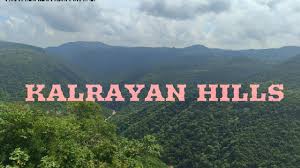
Gangavalli’s geography is shaped by proximity to the Kalrayan hills. The terrain alternates between dry tracts and irrigated pockets dependent on tanks and minor canals. Paddy, maize, tapioca and millets dominate cropping patterns.
In some stretches, sugarcane and groundnut supplement incomes.
Tank restoration, borewell viability and rural electrification for pump sets surface repeatedly in election cycles. Rainfall variability heightens the political weight of irrigation policy.
Water here determines mood before manifesto.
Village Deities and Social Cohesion
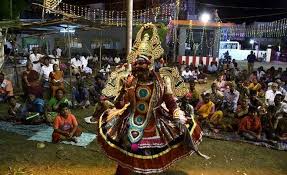
Spiritual life in Gangavalli revolves around Mariamman temples, Ayyanar shrines and Murugan sanctums across villages. Temple car festivals, fire-walking rituals and therukoothu performances create shared social space across caste lines.
Though the grand temple complexes of Salem town lie outside the constituency, their cultural influence filters into the region’s devotional practices.
Gangavalli’s religious rhythm is rural and rooted.
Reserved Seat, Representational Weight
As a Scheduled Caste-reserved constituency, Gangavalli’s contests carry layered expectations. Welfare delivery — housing schemes, educational scholarships, rural employment guarantees — is scrutinised closely.
Community mobilisation through self-help groups and local leaders plays a decisive role in turnout discipline. Representation here must translate into visible village-level intervention.
Symbolism without service rarely sustains mandate.
Roads and Rural Mobility
Gangavalli connects to Attur and Salem through arterial roads. Transport links influence trade and student mobility. Road relaying and bus frequency to interior hamlets surface frequently in public discourse.
Agricultural produce travels toward Salem markets, tying local prosperity to broader price trends.
Mobility shapes both livelihood and aspiration.
Electoral Ledger:
Gangavalli has witnessed competitive but structured contests.
2011
Winner: A. Maruthamuthu (AIADMK) — 91,354 votes
Second: R. Rekha Priyadarshini (DMK) — 74,128 votes
Third: S. Kumar (DMDK) — 25,876 votes
Margin: 17,226 votes
2016
Winner: A. Maruthamuthu (AIADMK) — 74,301 votes
Second: J. Rekha Priyadarshini (DMK) — 91,435 votes
Third: R. Prakash (PMK) — 19,632 votes
Margin: 11,439 votes
2021
Winner: A. Nallathambi (AIADMK) — 89,568 votes
Second: J. Rekha Priyadarshini (DMK) — 72,039 votes
Third: Shanmugavel Murty. A (PMK) — 10,715 votes
Margin: 2,262 votes
The 2021 contest tightened sharply, reflecting close bipolar competition in the Salem belt.
Gangavalli’s electorate has demonstrated preference stability, yet margins reveal increasing competitiveness.
Civic and Agrarian Concerns
Recurring issues include:
Tank desilting and irrigation scheduling.
Rural road maintenance.
Drinking water supply in drought-prone months.
Employment through MGNREGA and small-scale industry support.
In years of weak rainfall, grievances amplify. In years of steady yield, continuity finds favour.
Delivery here must be tangible.
Folk Traditions and Pongal Cadence

Pongal celebrations remain central to Gangavalli’s identity. Decorated cattle, rural games and communal feasts reaffirm agrarian pride. Village festivals continue late into the night with drumming and theatre.
Cultural continuity tempers political contest.
Gangavalli’s social fabric is woven through repetition and ritual.
Cuisine and Salem Influence
The cuisine reflects the Salem belt’s agrarian palate — rice meals, ragi dishes, tamarind gravies and pepper-spiced curries. Weekly markets supply fresh produce and livestock, reinforcing rural self-sufficiency.
Food here is practical, seasonal and communal.
Political Temperament
Gangavalli reflects the broader western Tamil Nadu pattern of disciplined booth management and organisational structure. Campaigns are less about spectacle and more about systematic outreach.
Voters evaluate representatives on accessibility and field presence.
This is a constituency that respects consistency.
What Decides Here
Three determinants shape Gangavalli’s electoral trajectory:
Irrigation Stability.
Agrarian confidence shapes turnout.
Welfare Delivery.
Reserved status heightens scrutiny.
Organisational Precision.
Tight margins reward disciplined mobilisation.
Gangavalli does not drift impulsively; it adjusts carefully.
Closing Frame
Fields stretch beneath the shadow of the Kalrayan hills. Temple drums echo at dusk. Buses depart toward Salem at dawn. Farmers gather under neem trees discussing rainfall prospects and election whispers.
Gangavalli stands between foothill and field — a constituency of agrarian resilience and representational vigilance.
When it votes, it does so with the steadiness of tank water — measured, grounded and deliberate.
In Gangavalli, mandate is earned season by season.