

Karaikudi: Chettinad Mansions, Merchant Memory and the Heart of Sivaganga Politics

- Tamil
- Hindi
- Malayalam
- Kannada
- Telugu
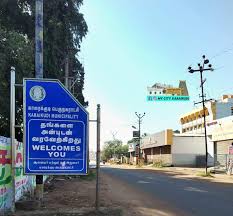
Constituency No. 184 | Sivaganga District | General
Karaikudi is the cultural and commercial heart of the Chettinad region — a town where stately mansions, temple towers and trading memory define its identity. Known across India and abroad for its merchant legacy and distinctive cuisine, Karaikudi stands as a reminder of a time when Chettiar traders built global business networks stretching from Southeast Asia to Sri Lanka.
Today, the constituency combines heritage pride with modern political contest. Markets bustle, college campuses hum and tourism has begun rediscovering the architectural splendour of Chettinad.
In Karaikudi, history walks beside commerce.
Chettinad Mansions and Merchant Legacy
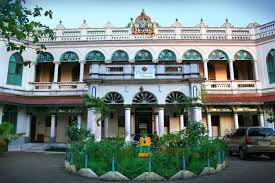
The streets of Karaikudi are lined with grand Chettinad mansions built by the Nattukottai Chettiars during the late nineteenth and early twentieth centuries. These palatial homes — constructed with Burmese teak, Italian marble and intricate Athangudi tiles — symbolise the wealth generated through international trade.
Merchant families who once operated banking networks across Southeast Asia built Karaikudi into the cultural capital of Chettinad.
Many of these mansions today attract heritage tourists and film crews. They remain architectural treasures that distinguish the constituency from almost every other town in Tamil Nadu.
Karaikudi is a living museum of commerce.
Temples and Sacred Geography
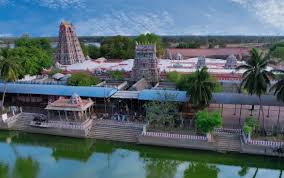
Religion remains central to the Chettinad social landscape. The nearby Pillayarpatti Karpaga Vinayagar Temple, located a short distance from Karaikudi, is among the region’s most revered shrines. The rock-cut temple dedicated to Lord Ganesha attracts thousands of devotees daily.
Within Karaikudi itself, numerous temples dedicated to Shiva, Vishnu and local deities serve as cultural anchors. Temple festivals are vibrant affairs featuring processions, music and communal feasts.
Faith here blends seamlessly with tradition.
Education and Institutional Influence
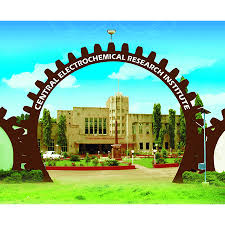
Karaikudi has long been known as an educational hub in southern Tamil Nadu. Colleges, research institutions and technical institutes draw students from neighbouring districts.
The presence of institutions such as the Central Electrochemical Research Institute, a major national research laboratory, adds an intellectual dimension to the town’s identity.
Students and academic professionals form an important segment of the constituency’s electorate.
Knowledge here complements heritage.
Chettinad Cuisine: A Culinary Landmark
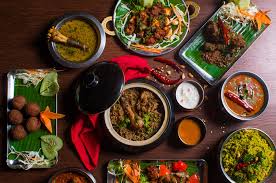
Karaikudi is synonymous with Chettinad cuisine — one of the most celebrated culinary traditions of Tamil Nadu. Known for its rich spices, aromatic gravies and distinctive preparation techniques, Chettinad food has gained global recognition.
Restaurants in and around Karaikudi serve iconic dishes such as pepper chicken, mutton chukka and a variety of vegetarian delicacies influenced by local agriculture.
Cuisine here is not merely sustenance; it is cultural identity.
Agriculture and Rural Economy
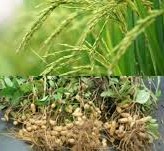
Beyond the town limits, villages surrounding Karaikudi depend on agriculture and livestock rearing. Paddy, pulses and groundnut cultivation dominate the rural economy, supplemented by small-scale trading activities.
Tank irrigation and seasonal rainfall influence agricultural productivity. Farmers frequently raise concerns about water management, crop procurement and rural infrastructure.
Karaikudi’s politics must balance town and village interests.
Electoral Ledger:
Karaikudi has seen competitive contests shaped by regional alliances.
2011
Winner: C. T. Palanichamy Cholan (AIADMK) — 86,104 votes
Second: K. R. Ramasamy (Indian National Congress) — 67,204 votes
Third: V. Chidambaram (BJP) — 4,194 votes
Margin: 18,900 votes
2016
Winner: K. R. Ramasami (INC) — 93411 votes
Second: Karpagam Elango (AIADMK) — 75136 votes
Third: Sevanthiappan S(MDMK) — 14279 votes
Margin: 18275 votes
2021
Winner: S. Mangudi (Indian National Congress) — 75,954 votes
Second: H. Raja (BJP) — 54,365 votes
Third: N. Durai Manickam (Naam Tamilar Katchi) — 23,872 votes
Margin: 21,589 votes
The 2021 contest gained statewide attention due to the high-profile candidature of BJP leader H. Raja.
Karaikudi often produces politically visible contests.
Civic and Development Concerns
Residents frequently raise issues such as:
Preservation of Chettinad heritage buildings.
Drinking water supply and tank restoration.
Tourism infrastructure to promote heritage travel.
Road connectivity to surrounding villages.
Balancing heritage conservation with urban expansion remains a continuing challenge.
Political Temperament
Karaikudi’s electorate blends merchant pragmatism with rural caution. Traders, farmers, students and heritage tourism operators form influential voting blocs.
Campaigns often highlight economic development, infrastructure and cultural preservation.
Karaikudi voters rarely follow emotional waves; they weigh long-term interests.
What Decides Here
Three factors shape Karaikudi’s electoral outcome:
Heritage and Tourism Development.
Preserving Chettinad identity matters to residents.
Agricultural Stability.
Water management influences rural sentiment.
Alliance Arithmetic.
Coalition dynamics strongly affect margins.
Karaikudi is politically attentive.
Closing Frame
Sunlight falls across the ornate courtyards of Chettinad mansions. Temple bells ring through quiet streets. Students cycle past colonial-era buildings while cooks prepare aromatic Chettinad meals in bustling kitchens.
Karaikudi stands as the proud capital of Chettinad — a town where commerce, culture and cuisine converge.
When Karaikudi votes, the verdict carries the discipline of merchants and the patience of farmers.
In Karaikudi, mandate reflects memory.