

Kilvelur: Delta Fields, Temple Heritage and the Agrarian Voice of Nagapattinam

- Tamil
- Hindi
- Malayalam
- Kannada
- Telugu

Constituency No. 164 | Nagapattinam District | Scheduled Caste (Reserved)
Kilvelur lies in the fertile delta belt of Nagapattinam district, where rivers, canals and paddy fields shape both livelihood and landscape. This constituency represents the quieter agrarian stretch of coastal Tamil Nadu, where farming villages, temple traditions and fishing hamlets coexist along the edges of the Cauvery delta.
The land here is rich with alluvial soil nourished by the Cauvery’s distributaries. Paddy cultivation dominates the countryside, while coconut groves and vegetable fields appear in irrigated patches. Life moves in rhythm with the agricultural seasons and temple festivals that punctuate village calendars.
Kilvelur stands as a reminder that the strength of Tamil Nadu’s political landscape still rests on its farming heartland.
Cauvery Delta Agriculture
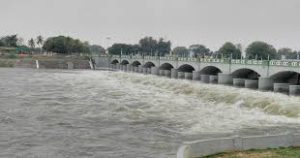
Kilvelur benefits from the irrigation network created by the Cauvery river system. Canals and distributaries feed fields that produce multiple paddy crops in favourable years.
Rice cultivation remains the backbone of the local economy.
Farmers closely monitor water releases from upstream reservoirs and the maintenance of irrigation channels. Delays or shortages can significantly affect crop cycles and rural incomes.
Agriculture therefore dominates public discussions in the constituency.
In Kilvelur, the flow of canal water often determines the mood of voters.
Temple Heritage and Sacred Sites

Religion forms an important part of the constituency’s cultural identity. Villages across Kilvelur are home to temples dedicated to Shiva, Vishnu, Mariamman and Ayyanar, where annual festivals bring together communities from surrounding areas.
One of the notable temples nearby is the ancient Akshayanathaswamy Temple, a historic Shiva shrine associated with the region’s medieval religious heritage.
Devotees visit the temple throughout the year, and festival days transform the temple streets into vibrant gathering spaces.
Temple culture continues to anchor community life.
Coastal Influence and Fishing Communities

Although primarily agrarian, Kilvelur lies not far from the Bay of Bengal coastline. Fishing communities in nearby coastal villages depend on the sea for livelihood, adding another dimension to the constituency’s economy.
Fish markets and coastal trade influence local commerce, while seasonal weather conditions affect fishing activity.
The presence of both farming and fishing communities gives Kilvelur a diverse economic base.
Rural Markets and Village Trade
Weekly markets play an important role in the local economy. Farmers bring paddy, vegetables and livestock to these markets while purchasing seeds, fertilisers and household goods.
Small shops, rice mills and transport services support the agricultural supply chain.
Despite its rural character, Kilvelur maintains steady commercial activity linked to farming and coastal trade.
Electoral Ledger:
Kilvelur has witnessed closely fought elections reflecting the political dynamics of the Cauvery delta region.
2011
Winner: P. Mahalingam (AIADMK) — 85,672 votes
Second: V. P. Nagai Malaimaran (DMK) — 73,841 votes
Third: R. Kumar (DMDK) — 22,476 votes
Margin: 11,831 votes
2016
Winner: Madhivanan U (DMK) — 61999 votes
Second: Meena N (ADMK) — 51829 votes
Third: Nagaimaali V P (CPM) — 16499 votes
Margin: 10170 votes
2021
Winner: V. P. Nagai Maali (CPI(M) — 67,988 votes
Second: Vadivel Ravanan.S (PMK) — 51,003 votes
Third: Pon Elavazhaki. S (Naam Tamilar Katchi) — 15,173 votes
Margin: 16,985 votes
Alliance realignments again shifted the political balance.
Kilvelur voters have shown they respond to broader state political trends.
Civic Concerns in the Delta
Residents frequently raise several key issues:
Maintenance of irrigation canals and delta water management.
Protection of agricultural land from salinity intrusion.
Road connectivity linking villages to Nagapattinam town.
Employment opportunities for rural youth.
Farmers and agricultural labourers remain the most influential voices in the constituency.
Cuisine and Delta Traditions
Food culture in Kilvelur reflects the fertile delta environment. Rice dominates local meals, accompanied by lentil-based gravies, vegetables grown in nearby fields and seafood sourced from coastal villages.
Temple festivals often feature communal cooking and traditional sweets prepared for devotees.
Cuisine here reflects both land and sea.
Political Temperament
Kilvelur’s electorate is deeply rooted in village networks and farming communities. Political campaigns rely heavily on direct interaction with residents rather than large urban rallies.
Agricultural welfare, irrigation policy and rural development programmes dominate electoral debates.
Politics here is shaped by the realities of rural life.
What Decides Kilvelur
Three factors often influence election outcomes:
Water and irrigation management.
Canal maintenance directly affects farming livelihoods.
Agricultural support policies.
Procurement prices and subsidies influence voter sentiment.
Alliance dynamics.
Statewide political alignments affect constituency margins.
Kilvelur’s verdict often reflects the broader mood of the Cauvery delta.
Closing Frame
Green paddy fields stretch across the horizon as irrigation water flows through ancient canals. Temple bells ring through village streets while fishermen return from nearby coastal waters with their catch.
Kilvelur stands as a quiet but vital part of Tamil Nadu’s delta region — a constituency where agriculture, faith and community continue to shape political choices.
When Kilvelur votes, the decision rises from its fields and waterways.