

Kulithalai: Cauvery’s Gift, Temple Lore and the Agrarian Voice of Karur’s Eastern Belt

- Tamil
- Hindi
- Malayalam
- Kannada
- Telugu
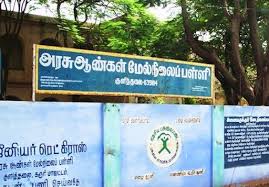
Constituency No. 137 | Karur District | General
Kulithalai sits along one of the most fertile stretches of the Cauvery basin in central Tamil Nadu. Located in the eastern part of Karur district, the constituency is defined by lush paddy fields, irrigation canals and temple-centred settlements that have existed for centuries along the river’s banks. Agriculture dominates the landscape, and life in Kulithalai continues to revolve around water, soil and seasonal harvests.
Though less industrial than neighbouring Karur town, Kulithalai carries its own historical and cultural importance. The region has long been part of the ancient Cauvery civilisation that supported temples, trade and agrarian settlements under successive dynasties.
In Kulithalai, the Cauvery is more than a river — it is the lifeline that sustains the constituency.
Cauvery’s Fertile Plains

Kulithalai lies on the southern banks of the Cauvery river, where extensive canal systems carry water across the countryside. These irrigation networks enable farmers to cultivate paddy, banana and sugarcane across large tracts of farmland.
The Cauvery’s dependable flow has historically made the region one of the productive agricultural belts of Karur district. Farmers plan crop cycles carefully around water release schedules and monsoon patterns.
Water management therefore remains a central political concern. Any uncertainty in irrigation supply can significantly affect agricultural income.
In Kulithalai, the health of the river often determines the prosperity of villages.
Temple Heritage of the Cauvery Belt

Kulithalai’s spiritual landscape is closely tied to the Cauvery civilisation. One of the important religious landmarks nearby is the ancient Kadambavaneswarar Temple, a historic Shiva temple associated with the region’s long-standing religious traditions.
The temple stands as a reminder of medieval patronage when rulers of the Chola and later dynasties supported temple construction across the Cauvery basin.
Village shrines dedicated to Amman, Murugan and Vinayagar are also common across the constituency.
Temple festivals bring together residents from neighbouring villages, reinforcing community bonds.
Faith here flows alongside the river.
Agricultural Economy and Rural Markets
Beyond the temples and fields, Kulithalai’s economy revolves around agriculture and rural trade. Farmers transport produce to nearby markets in Karur and Tiruchirappalli. Rice mills, fertiliser shops and agricultural equipment dealers support the local farming ecosystem.
Weekly markets remain an important feature of village life, where residents trade vegetables, grains and livestock while purchasing household necessities.
Although the constituency lacks large-scale industries, its agricultural productivity sustains steady economic activity.
Education and Rural Aspirations
Kulithalai’s proximity to Karur and Tiruchirappalli has expanded educational opportunities for local youth. Colleges and technical institutes in these nearby towns attract students from the constituency.
Improved road connectivity allows many students to commute daily for higher education and employment opportunities.
This gradual exposure to urban centres has created a new generation of rural youth balancing traditional agriculture with modern aspirations.
Electoral Ledger:
Kulithalai has experienced competitive electoral contests reflecting the broader political trends of central Tamil Nadu.
2011
Winner: P. Manickam (AIADMK) — 91,512 votes
Second: K. Ramar (DMK) — 79,684 votes
Third: R. Kumar (DMDK) — 25,174 votes
Margin: 11,828 votes
2016
Winner: Ramar E(DMK) — 89923 votes
Second: chandrasekaran R (ADMK) — 78027 votes
Third: Jamuna Thangavel (DMDK) — 6726 votes
Margin: 11896 votes
2021
Winner: R. Manickam (DMK) — 1,00,829 votes
Second: N.R.Chandrasekar(AIADMK) — 77,289 votes
Third: Seeni prakasu (Naam Tamilar Katchi) — 11,511 votes
Margin: 23,540 votes
Alliance shifts once again influenced the constituency’s political direction.
Kulithalai voters have demonstrated that electoral margins can shift with broader state-level trends.
Civic and Development Concerns
Residents frequently highlight several issues:
Reliable irrigation supply and canal maintenance.
Rural road infrastructure connecting villages to market towns.
Agricultural procurement support.
Employment opportunities for rural youth.
Ensuring sustainable water management remains the constituency’s most pressing challenge.
Cuisine of the Cauvery Region
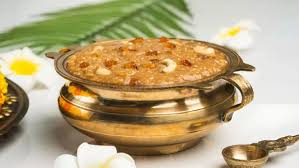
Kulithalai’s cuisine reflects the agricultural richness of the Cauvery belt. Rice-based meals dominate daily food habits, accompanied by lentil gravies, vegetables grown in local fields and traditional sweets prepared during temple festivals.
Seasonal produce often influences local dishes, linking cuisine directly to the harvest cycle.
Food culture here mirrors the bounty of the river.
Political Temperament
Kulithalai’s electorate consists primarily of farmers, agricultural labourers and small traders. Political mobilisation often occurs through village gatherings, temple festivals and farmers’ associations.
Campaigns frequently emphasise irrigation projects, agricultural welfare schemes and rural infrastructure.
Politics here is rooted in practical concerns of land and livelihood.
What Decides Kulithalai
Three factors usually shape electoral outcomes:
Water security
Cauvery irrigation directly influences farm productivity.
Agricultural policies
Support prices and subsidies affect rural sentiment.
Alliance arithmetic
Statewide coalitions influence constituency margins.
Kulithalai’s voters carefully weigh these factors before casting their ballots.
Closing Frame
The Cauvery flows steadily past green fields as farmers prepare for another cultivation season. Temple bells ring through villages where generations have lived beside the river’s fertile banks.
Kulithalai represents the enduring agricultural strength of central Tamil Nadu — a constituency where water, land and community remain the foundations of political life.
When Kulithalai votes, the verdict rises from the Cauvery’s fields.