

Manapparai: Land of the Maadu, Murukku and the Trading Heart of Tiruchirappalli’s Countryside

- Tamil
- Hindi
- Malayalam
- Kannada
- Telugu

Constituency No. 138 | Tiruchirappalli District | General
Manapparai is one of those Tamil Nadu constituencies where a single symbol captures the entire region’s identity. Here that symbol is the maadu — the cattle that have long defined the economy, culture and reputation of this southern Tiruchirappalli district town.
For generations Manapparai has been known across Tamil Nadu for its famous cattle market and livestock trade, drawing farmers, traders and buyers from multiple districts.
But the constituency’s character does not stop there.
Manapparai is also known for the iconic Manapparai murukku, a crunchy snack that has travelled from village kitchens to tea shops across the state. Between cattle trade, rural agriculture, temples and transport routes connecting Tiruchirappalli with Madurai and Dindigul, the constituency represents a lively agrarian belt that continues to retain strong traditional roots.
Manapparai therefore stands as a classic Tamil Nadu rural constituency where livestock, food tradition, faith and trade intersect.
The Maadu Market

The cattle market is the defining feature of Manapparai’s identity. For decades the town has hosted one of the region’s most prominent livestock trading centres where farmers bring cattle for sale, exchange and breeding.
On market days the grounds fill with herds of cows and bulls while traders negotiate prices under the shade of trees. The scene reflects an older rural economy where cattle represent wealth, agricultural strength and livelihood security.
Even in an era of mechanised agriculture, the livestock economy remains important in the villages surrounding Manapparai. Dairy production and cattle rearing continue to support thousands of families.
This association with cattle trade has made the word “Manapparai maadu” familiar across rural Tamil Nadu.
Murukku Capital
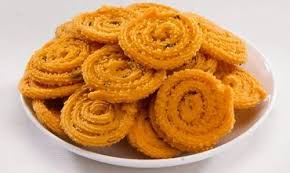
If cattle define the agrarian image of the constituency, Manapparai murukku defines its culinary fame. The snack — a deep-fried spiral made from rice flour and spices — has become synonymous with the town.
Roadside stalls and shops along the Tiruchirappalli–Madurai highway proudly display tins of the crisp delicacy. Travellers often stop here specifically to buy murukku, turning the town into a small culinary landmark along the highway.
The snack’s reputation has travelled far beyond the district, becoming part of Tamil Nadu’s popular food culture.
Manapparai therefore carries both an agricultural and gastronomic identity.
Highway Crossroads
Manapparai lies along the important road corridor linking Tiruchirappalli with Dindigul and Madurai, making it a strategic stop on one of the southern region’s busiest highways. Buses, goods vehicles and travellers pass through the town throughout the day.
This position has helped the growth of markets, restaurants and small industries that serve travellers and transport workers. Highway commerce has become an important part of the local economy.
The town therefore functions as a rural trading hub connecting central and southern Tamil Nadu.
Temples and Religious Landscape

Religion forms a strong thread in the cultural life of Manapparai’s villages. Numerous temples dedicated to Amman, Murugan and Vinayagar anchor community traditions and annual festivals.
One of the well-known shrines in the region is the Samayapuram Mariamman Temple, located within the broader Tiruchirappalli district and visited by devotees travelling through the Manapparai belt. Though not inside the constituency itself, the temple influences pilgrimage activity across the district.
Within the constituency itself several Amman temples host annual festivals that draw large gatherings of villagers. Processions, folk music and rural fairs during these festivals reinforce community bonds.
Faith therefore remains deeply woven into everyday life in the region.
Agriculture and Rural Economy
Agriculture continues to sustain much of the constituency’s population. Farmers cultivate crops such as paddy, millets, groundnut and pulses depending on seasonal rainfall and irrigation availability.
The livestock economy complements crop farming, as cattle provide both milk and agricultural support. Dairy activity has gradually grown in importance in recent years.
Weekly markets allow farmers to sell produce and livestock, strengthening the local trading network.
The rural economy of Manapparai therefore reflects a balanced combination of agriculture and livestock rearing.
Electoral Ledger:
Manapparai has witnessed competitive electoral contests reflecting the broader political dynamics of the Tiruchirappalli region.
2011
Winner: R. Chandrasekar (AIADMK) — 91,412 votes
Second: S. Kathiravan (DMK) — 79,683 votes
Third: R. Kumar (DMDK) — 25,847 votes
Margin: 11,729 votes
2016
Winner: R. Chandrasekar (AIADMK) — 91399 votes
Second: Mohamed Nizam M A (IUML) — 73122 votes
Third: Krishna Gopal P (DMDK) — 26316 votes
Margin: 18277 votes
2021
Winner: Abdul Samad. P (DMK) — 98,077 votes
Second: Chandrasekar. R (ADMK) — 85,834 votes
Third: Kanimozhi. P (Naam Tamilar Katchi) — 19,450 votes
Margin: 12,243 votes
The seat has therefore seen shifting margins depending on the wider political climate in the state.
Civic and Development Concerns
Residents of Manapparai frequently highlight several development priorities:
improving irrigation infrastructure for agriculture
better roads linking interior villages
employment opportunities for rural youth
strengthening dairy and livestock support systems
The town’s role as a highway stop also creates demands for improved transport facilities and market infrastructure.
Political Temperament
The electorate of Manapparai largely consists of farmers, livestock traders, small merchants and transport workers. Political mobilisation often occurs through village networks and agricultural associations.
Election campaigns frequently revolve around issues such as agricultural support prices, rural infrastructure and employment opportunities.
Local leadership and accessibility often play an important role in influencing voter sentiment.
What Decides Manapparai
Three factors typically shape electoral outcomes:
Agriculture and livestock economy
Farmers and cattle traders form a key voting bloc.
Highway commerce
Transport-related trade influences local livelihoods.
Village networks
Community relationships strongly affect political mobilisation.
Manapparai voters therefore weigh economic and community interests when casting their ballots.
Closing Frame
In the early morning hours, farmers lead cattle toward the market grounds while roadside shops begin preparing fresh batches of murukku for travellers passing through the highway town. The bustle of trade, the rhythm of rural life and the devotion of temple festivals together define the identity of Manapparai.
It is a constituency where cattle bells and market calls still echo across the countryside.
When Manapparai votes, the verdict reflects the voice of a rural region proud of its traditions and firmly rooted in the agrarian heart of Tamil Nadu.