

Rasipuram: Temple Town, Turmeric Fields and the Gateway to the Kolli Hills
 By Nandhini
- Tamil
- Hindi
- Malayalam
- Kannada
- Telugu
Constituency No. 92 | Namakkal District | Scheduled Caste (Reserved)
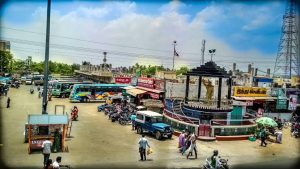
Rasipuram lies in the eastern part of Namakkal district, nestled between fertile agricultural plains and the rising slopes of the Kolli Hills. The town has long been known for its temples, farming communities and bustling markets that serve surrounding villages.
Though modest in size compared with larger cities of Tamil Nadu, Rasipuram holds a distinctive place in the cultural and economic landscape of the region. Agriculture forms the backbone of the local economy, while temple traditions and weekly markets sustain the social rhythm of the constituency.
Geographically the area functions as a gateway between the plains of Namakkal and the hill regions of the Eastern Ghats. Roads from Rasipuram lead toward the famous Kolli Hills, bringing both traders and travellers through the town.
Thus Rasipuram represents a constituency where temple heritage, agriculture and hill-country geography together shape its identity.
Gateway to the Kolli Hills
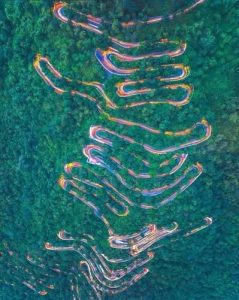
One of Rasipuram’s defining geographic features is its proximity to the Kolli Hills, a prominent hill range in the Eastern Ghats. These hills, rising dramatically from the plains, are known for their forests, waterfalls and tribal settlements.
The road leading from Rasipuram toward the hills serves as an important route for tourists, farmers and traders transporting hill produce such as pepper, fruits and medicinal plants.
The presence of the Kolli Hills also influences the climate and agricultural patterns of the region, bringing occasional rainfall and cooler breezes from the hills.
Agricultural Landscape


The fertile plains surrounding Rasipuram support extensive agriculture. Farmers cultivate crops such as turmeric, tapioca, paddy and sugarcane depending on irrigation availability.
Turmeric in particular is an important commercial crop grown in several villages of the constituency. Agricultural produce from these farms is sold in markets across Namakkal district.
Livestock rearing and poultry farming, both common in this part of Tamil Nadu, also contribute to rural livelihoods.
Agriculture therefore remains the economic foundation of the constituency.
Temple Heritage

Religion forms an important part of the cultural life of Rasipuram. One of the prominent shrines in the town is the Kailasanathar Temple, an ancient temple dedicated to Lord Shiva.
Devotees gather here during festival seasons, when temple streets fill with processions, music and ritual ceremonies.
Several Amman temples in surrounding villages host vibrant annual festivals that draw participants from across the region.
These temples continue to act as cultural anchors for local communities.
Markets and Trade

Rasipuram town functions as a trading centre for agricultural produce grown in nearby villages. Weekly markets attract farmers, traders and buyers from surrounding areas.
Vegetables, grains and livestock are commonly traded in these markets, making the town an important commercial hub for rural communities.
Small shops, textile stores and service establishments add to the economic activity of the town.
Educational and Civic Institutions
Over the years Rasipuram has developed educational institutions and public facilities that serve the wider district. Schools and colleges attract students from neighbouring villages and smaller towns.
Government offices and health centres located in the town provide essential services for residents across the constituency.
These institutions reinforce Rasipuram’s role as an administrative and service centre within Namakkal district.
Electoral Ledger
2011
Winner – P. Dhanapal (AIADMK) – around 86,000 votes
Second – DMK candidate – around 75,000 votes
Third – DMDK candidate – around 15,000 votes
Winning Margin: about 11,000 votes
2016
Winner – Saroja V.DR (AIADMK) – 86901 votes
Second – Duraisamy V.P (DMK) – 77270 votes
Third – Pushpagandhi J (PMK) – 6952 votes
Winning Margin: 9631 votes
P. Dhanapal later served as Speaker of the Tamil Nadu Legislative Assembly, giving the constituency additional political visibility.
2021
Winner – M. Mathiventhan (DMK) – 90727 votes
Second – DR. Saroja. V (AIADMK) – 88775 votes
Third – Silambarasi. K (NTK )- 11295 votes
Margin: 1952 votes
The result reflected the broader statewide shift in political power during that election.
Civic and Development Concerns
Residents of Rasipuram frequently highlight several priorities:
• improved irrigation facilities for agriculture
• better road infrastructure linking villages and hill regions
• employment opportunities for young people
• expansion of educational institutions and health services
Farmers also seek policies that stabilise crop prices and support agricultural marketing.
Political Temperament
The electorate largely consists of farmers, agricultural labourers, traders and small business owners. Political campaigns in the constituency often revolve around rural welfare and agricultural development.
Local leadership and grassroots organisation play significant roles in shaping voter preferences.
Candidates who address both farming concerns and infrastructure development often gain support.
What Decides Rasipuram
Three factors often influence electoral outcomes:
Agriculture – turmeric and farm-based livelihoods dominate the local economy.
Hill connectivity – proximity to the Kolli Hills shapes trade and tourism.
Rural infrastructure – irrigation, roads and markets remain key voter concerns.
Rasipuram voters therefore tend to favour leadership that balances rural development with economic opportunities.
Closing Frame
At the edge of the Kolli Hills, Rasipuram’s markets bustle with agricultural trade while temple bells echo through the streets during festival seasons. Farmers cultivate turmeric fields across the plains while travellers pass through the town on their way to the hill country.
The constituency represents the quiet strength of rural Tamil Nadu.
When Rasipuram votes, it speaks for a landscape shaped by farming traditions, temple culture and the enduring link between the plains and the hills.