


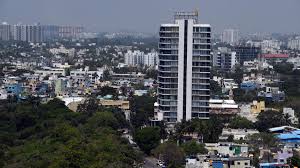
 An analysis conducted by the Centre for Science and Environment (CSE) reveals that Chennai has emerged as the hottest mega city in India, witnessing a dramatic increase in the number of days where the heat index exceeds the danger zone threshold of 41°C. Over the past two decades, the city has experienced a threefold rise in these extreme heat days.
The CSE study compared summer temperatures from 2001 to 2011 with those from 2014 to 2023 across six major Indian cities: Delhi, Mumbai, Kolkata, Hyderabad, Bengaluru, and Chennai. The findings indicate a troubling trend in Chennai, with average relative humidity showing a significant uptick over the last ten summers compared to the 2001-10 average. Concurrently, the decadal summertime average ambient temperature in Chennai has risen by approximately 0.5°C.
Key Findings of the Study:
Threefold Increase in Danger Zone Days: Chennai has seen a substantial increase in days where the heat index surpasses 41°C, a level considered dangerous for human health. This increase highlights the city’s growing vulnerability to extreme heat conditions.
Rising Relative Humidity: The study points to a significant rise in average relative humidity in Chennai over the past decade. Higher humidity levels, combined with rising temperatures, have exacerbated the heat index, making outdoor conditions increasingly hazardous.
Temperature Rise: The analysis shows that the decadal summertime average ambient temperature in Chennai has increased by about 0.5°C, reflecting broader climate change trends and urban heat island effects.
Comparison with Other Mega Cities: The CSE study also examined summer temperatures in Delhi, Mumbai, Kolkata, Hyderabad, and Bengaluru. While these cities have also experienced temperature and humidity changes, Chennai stands out due to its pronounced increase in heat index days and overall temperature rise.