


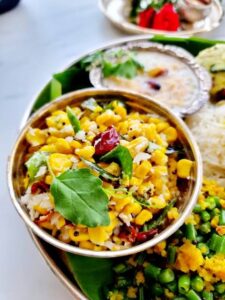
Navaratri is a time of vibrant celebrations, and one of the key traditions in Chennai is the preparation and serving of sundal—a protein-packed dish made from legumes and lentils. Sundal is offered as prasadam (religious offering) to guests during the festival and is a symbol of health and well-being. From the bustling markets of Mylapore to homes across Chennai, various types of sundals are prepared, each with its own distinct flavor and health benefits.
Popular Types of Sundals
Kondakadalai (Chickpea) Sundal Chickpea sundal is one of the most popular varieties made during Navaratri. It is rich in protein and fiber, making it a nutritious choice. Lightly spiced and tempered with coconut and mustard seeds, it’s a favorite in most homes.
“Chickpea sundal is a must in our home during Navaratri. It’s filling, nutritious, and easy to make,” says Priya, a resident of T. Nagar.
Pattani (Green Peas) Sundal Another beloved variation, green peas sundal is a source of vitamins A, C, and K. The peas are boiled and then seasoned with mustard seeds, curry leaves, and coconut, making it a light and healthy snack.
“Green peas sundal is refreshing and perfect for the afternoons when we host guests,” shares Janaki from Mylapore.
Karamani (Black-Eyed Peas) Sundal Karamani or black-eyed peas are low in calories and rich in fiber and iron. This sundal is a go-to dish during Navaratri for its health benefits and delicious taste.
“It’s a protein-rich option, and my children love it with a squeeze of lemon,” says Meenakshi from Anna Nagar.
Mochai (Field Beans) Sundal Field beans are commonly used in sundal preparation, providing a good source of protein, vitamins, and minerals. The texture is hearty, and it’s perfect for those looking for a wholesome meal.
Payaru (Green Gram) Sundal Green gram is known for being a powerhouse of nutrients, packed with antioxidants, protein, and fiber. The lightly spiced version with grated coconut is often served as a nutritious evening snack during Navaratri.
Thenga Manga Pattani Sundal (White Peas with Coconut and Raw Mango) A favorite in Chennai’s beach stalls, this sundal is a tangy twist on the traditional dish, combining white peas with raw mango and coconut. It’s rich in protein and has a refreshing flavor.
“Thenga manga pattani sundal brings back beach memories, and we always prepare it during Navaratri,” says Lakshmi, a homemaker from Mambalam.
Health Benefits of Sundal
Sundal, made from a variety of legumes and pulses, is not only delicious but also offers several health benefits. Here are some of the key advantages:
Rich in Protein: Most legumes used in sundal, such as chickpeas, black-eyed peas, and green gram, are excellent sources of plant-based protein, crucial for muscle repair and overall body function.
High Fiber Content: Sundals are fiber-rich, aiding digestion and promoting a healthy gut. They help maintain steady blood sugar levels and are great for those watching their diet.
Low in Fat: The dish is typically low in fat, making it a heart-healthy option. The use of coconut and spices adds flavor without the need for unhealthy oils or fats.
Packed with Micronutrients: Legumes like green peas and chickpeas are packed with essential vitamins like B vitamins, iron, calcium, and potassium, contributing to overall well-being.
Gluten-Free and Diabetic-Friendly: Sundal is naturally gluten-free, making it a safe option for people with gluten intolerance. The low glycemic index of these legumes also makes it a diabetic-friendly food.
Chennai’s Navaratri Tradition
In Chennai, preparing sundal is more than just about offering food; it’s a time-honored tradition that brings families and communities together. “Navaratri is not complete without sharing sundal with neighbors and friends. It’s a beautiful way of bonding, and every day we make a different variety to keep things interesting,” says Revathi, a long-time resident of Mylapore.
As markets in the city fill up with legumes of all kinds, the aroma of freshly prepared sundal wafts through homes. This simple yet nutritious dish reflects the spirit of Navaratri—healthy, wholesome, and community-oriented.