

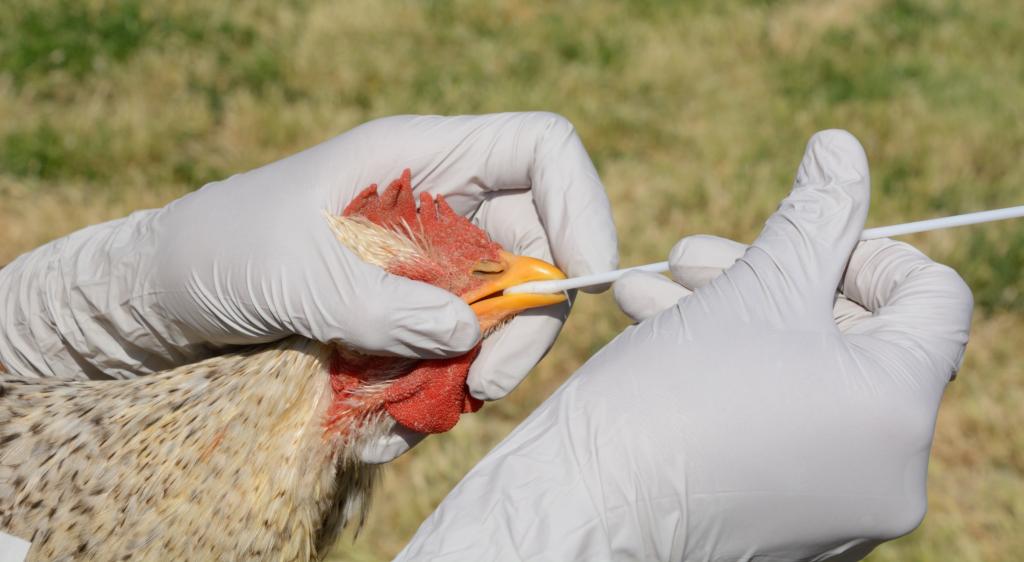
 The recent surge in bird flu outbreaks among mammals could help the virus spread more easily among humans, the World Health Organization has warned. Avian influenza viruses normally spread among birds, but the increasing number of H5N1 avian influenza detections among mammals—which are biologically closer to humans than birds are—raises concern that the virus might adapt to infect humans more easily. In addition, some mammals may act as mixing vessels for influenza viruses, leading to the emergence of new viruses that could be more harmful to animals and humans, the WHO said in a statement Wednesday. Recently, there have been increasing reports of deadly outbreaks among mammals also caused by influenza A(H5)—including influenza A(H5N1)—viruses. As many as 10 countries across three continents have reported outbreaks in mammals to World Organisation for Animal Health (WOAH) since 2022. There are likely to be more countries where outbreaks have not yet been detected or reported. “There is a recent paradigm change in the ecology and epidemiology of avian influenza which has heightened global concern as the disease spread to new geographical regions and caused unusual wild bird die-offs, and alarming rise in mammalian cases,” said Gregorio Torres, Head of the Science Department at WOAH. Sporadic influenza A(H5N1) clade 2.3.4.4b virus detections in humans have also been reported, but remain very rare, with 8 cases reported since December 2021, WHO said. Infections in humans can cause severe disease with a high mortality rate. The human cases detected thus far are mostly linked to close contact with infected birds and contaminated environments, it noted.
Surging bird flu cases may increase human infection risk: WHO
 By Agency
🌐 Translate ▾
- Tamil
- Hindi
- Malayalam
- Kannada
- Telugu
Add A Comment