

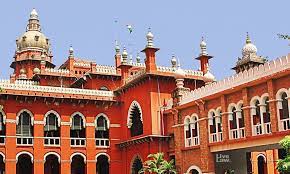
 In a recent session at the Madras High Court, a compelling debate unfolded as senior counsel G. Karthikeyan challenged the assertions made by Ministers Udhayanidhi Stalin, P.K. Sekarbabu, and DMK MP A. Raja. The central issue at hand was whether Sanatana Dharma, often criticised for perpetuating caste divisions, truly does so based on birth. Karthikeyan argued that no one is inherently born a Brahmin; rather, individuals gain entry into the Brahmin order through their actions and deeds. He emphasized the inclusive nature of Sanatana Dharma, contending that it is one of the most tolerant religious principles globally. Drawing from ancient scriptures, he highlighted that the concept of numerous castes did not exist; instead, there were four basic Varnas. The counsel went on to challenge the perception that birth determined caste, citing examples like Lord Rama and Lord Krishna, who were not born Brahmins. He pointed to Vishwamitra, a Kshatriya, who aspired to become a Brahmin through penance. Karthikeyan insisted that one’s caste is not predetermined by birth but is achieved through qualifications, aligning his argument with the teachings of the Bhagavad Gita. Addressing the misconception that caste is assigned by birth, he attributed it to misinformation propagated by those lacking a fundamental understanding of Sanatana Dharma. Karthikeyan questioned whether critics truly understood Sanskrit, the language in which ancient texts are written, suggesting that misinterpretations may have fueled misguided beliefs. Challenging the accusation that Sanatana Dharma discriminates against women, Karthikeyan pointed to the reverence of female deities such as Saraswati, Lakshmi, and Shakti. He emphasized the significant roles played by women in ancient texts, citing examples from Tamil literature and historical rulers.
‘Santana is the most tolerant religious principle’
 By NT Bureau
🌐 Translate ▾
- Tamil
- Hindi
- Malayalam
- Kannada
- Telugu
Add A Comment