

Bhuvanagiri: Fort of a Polymath, Fields of Continuity

- Tamil
- Hindi
- Malayalam
- Kannada
- Telugu

Constituency No. 158 | Cuddalore District | General
Bhuvanagiri does not announce itself loudly on Tamil Nadu’s electoral map. Yet it carries a name that resonates in cultural memory. This is the birthplace of the 17th-century Saivite scholar Kumaraguruparar, a spiritual figure whose hymns travelled far beyond this deltaic belt. It is also a landscape of paddy, canals and temple streets that has absorbed both Chola legacy and modern political churn.
Bhuvanagiri is not urban theatre. It is agrarian continuity, edged by history.
The Fort and the Scholar

The Bhuvanagiri Fort stands as a modest but enduring marker of the town’s older defensive past. Unlike the massive hill forts of the west, this structure reflects regional power contests that once shaped the Cuddalore–Chidambaram axis.
More enduring than stone, however, is literary memory. Kumaraguruparar, born here, became one of the prominent Saivite poets of his era, travelling to Varanasi and contributing to devotional literature that bridged regions. Bhuvanagiri therefore claims both fort and philosophy.
Its history is intellectual as much as territorial.
Delta and Distribution

Situated within the fertile Cauvery delta influence zone, Bhuvanagiri benefits from canal irrigation. Paddy dominates the fields. Sugarcane and pulses supplement cultivation. Water distribution and canal maintenance are recurring public themes.
Unlike drought-prone uplands, this constituency depends on regulated flow and desilting efficiency. Farmers track release schedules closely. Crop cycles and procurement rates influence household stability.
In Bhuvanagiri, agriculture is not fallback. It is backbone.
Temple Axis and Trade

Proximity to Chidambaram shapes cultural and commercial patterns. Pilgrimage circuits spill into surrounding towns, and Bhuvanagiri’s small traders benefit from this religious economy.
Temple streets host traditional sweet shops and provision stores that have operated for decades. While not a major tourism hub itself, the constituency sits within a spiritually significant corridor.
Religious networks quietly influence social cohesion.
The Electoral Ledger:
Bhuvanagiri’s recent elections show competitive oscillation.
2011
Winner: Selvi Ramajayam (AIADMK) — 85,396 votes
Second: K. Durai (DMK) — 79,112 votes
Third: R. Rajendran (DMDK) — 24,768 votes
Margin: 6,284 votes
2016
Winner: Saravanan Durai K (DMK) — 60554 votes
Second: Selvi Ramajayam (ADMK) — 55066 votes
Third: Ashokkumar (PMK) — 33681 votes
Margin: 5488 votes
2021
Winner: A. Arunmozhithevan (AIADMK) — 96,453 votes
Second: Saravanan K. Durai (DMK) — 88,194 votes
Third: Rathnavel(Naam Tamilar Katchi) — 6958 votes
Margin: 5,259 votes
The margin widened again under consolidation.
Bhuvanagiri does not produce razor-thin finishes often, but it tightens before it tilts.
Northern Coastal Texture
Cuddalore district carries a distinctive political rhythm — shaped by agrarian blocs, minority populations and coastal-economic interplay. Bhuvanagiri reflects this layered composition.
Alliance arithmetic often matters here. Consolidation within caste and community networks determines whether margins expand or contract.
Third parties have registered presence, but the primary contest remains bipolar.
Civic Demands
Core concerns remain grounded and consistent:
Canal desilting and irrigation timing.
Road quality linking interior villages to market centres.
Government school and primary health centre capacity.
Flood preparedness during heavy monsoon years.
Delta constituencies demand water management precision. Excess can be as damaging as scarcity.
Administrative steadiness earns quiet approval.
Cuisine and Character
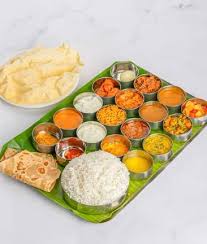
Bhuvanagiri’s culinary identity aligns with delta Tamil Nadu — rice-heavy meals, brinjal gravies, lentil preparations and traditional sweets during temple festivals. While not branded like Ambur biriyani or Arcot makkan peda, the food here reflects agrarian abundance.
Tea stalls near bus stands serve as informal civic forums. Political conversations are measured rather than theatrical.
Lifestyle is agrarian, temple-linked and steady.
What Decides Here
Three determinants frame Bhuvanagiri’s electoral direction:
Irrigation Efficiency.
Canal flow underpins confidence.
Alliance Arithmetic.
Community consolidation shapes margins.
Delivery Over Rhetoric.
Voters prioritise tangible outcomes.
Margins widen when governance feels present. They narrow when neglect is perceived.
Closing Frame
A modest fort stands watch. A scholar’s memory endures. Paddy fields sway under canal-fed breeze.
Bhuvanagiri may not dominate state-level debate, but it carries quiet historical weight and agricultural strength.
When it votes, it does so with deliberation shaped by water, worship and work.
In this delta constituency, continuity is currency.