

Mettupalayam: Gateway to the Nilgiris, River Plains and the Mountain Train Town
 By Mahalakshmi
- Tamil
- Hindi
- Malayalam
- Kannada
- Telugu
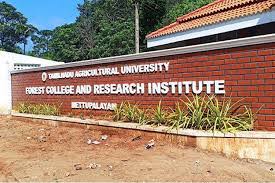
Constituency No. 111 | Coimbatore District | General
Mettupalayam sits at one of the most dramatic geographical thresholds in Tamil Nadu — the point where the fertile plains of Coimbatore rise abruptly toward the mist-covered slopes of the Nilgiri mountains. Known as the gateway to the Nilgiris, the town serves as the starting point for the famous mountain railway that climbs through forests and tea estates to reach Ooty.
This unique location gives Mettupalayam a character unlike most constituencies in the state. It is simultaneously a riverine agricultural belt, a transport junction linking plains and hills, and a pilgrimage corridor connecting temples scattered across the foothills.
The constituency therefore represents a fascinating meeting point of geography and culture, where mountain landscapes begin and the plains of western Tamil Nadu fade behind them.
Gateway to the Nilgiris
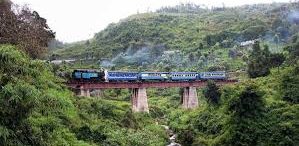
The identity of Mettupalayam is inseparable from the Nilgiri mountains that rise just beyond the town. The region marks the starting point of the celebrated Nilgiri Mountain Railway, a historic rail line that climbs from Mettupalayam to Ooty through steep gradients, tunnels and forested slopes.
The railway, built during the British colonial period, is recognised today as part of the UNESCO-listed mountain railway heritage of India. Steam locomotives still operate along the route, attracting tourists from across the world.
Passengers board the train in Mettupalayam before beginning the slow ascent into the hills, passing through stations such as Kallar, Hillgrove and Coonoor.
For travellers heading to the Nilgiris, Mettupalayam is therefore the first step into the mountains.
Bhavani River and Fertile Plains
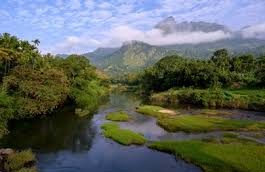
While the mountains dominate the skyline, the plains around Mettupalayam are nourished by the Bhavani River, one of the important tributaries of the Cauvery river system.
The river flows through the region before merging with the Cauvery further east, providing irrigation to agricultural lands in the surrounding villages. Farmers cultivate crops such as banana, turmeric, coconut and vegetables in these fertile plains.
The presence of the river has historically supported both agriculture and settlement in the area.
The Bhavani therefore forms an essential lifeline for the constituency’s rural economy.
Foothill Temples and Sacred Landscapes
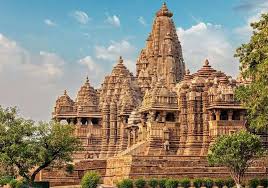
The foothills of the Nilgiris surrounding Mettupalayam contain several temples that draw pilgrims from across the region. Among the most notable is the Vanabadrakaliamman Temple, a well-known shrine dedicated to Goddess Kali.
Devotees visit the temple seeking protection and blessings, especially during festival seasons when large gatherings assemble for special rituals.
The region’s sacred geography is also influenced by nearby hill temples and shrines located along the routes leading into the Nilgiris. These temples serve as spiritual gateways for travellers heading into the mountains.
Village temples dedicated to Amman, Murugan and Vinayagar continue to anchor community traditions across the constituency.
Agriculture and Plantation Links
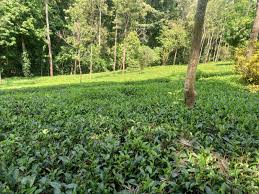
The economy of Mettupalayam reflects a blend of plains agriculture and hill plantation trade. Farmers cultivate banana, coconut and turmeric in the surrounding fields while traders handle produce arriving from the Nilgiri hills.
Vegetables, tea and fruits from the hill stations often pass through Mettupalayam before reaching markets in Coimbatore and other cities.
This exchange between hill and plain economies has long defined the town’s commercial life.
The constituency therefore functions as a trading bridge between two distinct landscapes.
Transport Hub of the Foothills
Mettupalayam’s strategic location has made it an important transport junction. Roads from Coimbatore converge here before climbing toward Ooty, Coonoor and Kotagiri.
Tourist buses, private vehicles and goods carriers pass through the town every day, particularly during peak tourist seasons when visitors travel to the hill stations.
The railway station also plays a crucial role in connecting the Nilgiris with the plains.
Transport activity therefore forms an important part of the constituency’s economy.
Electoral Ledger:
Mettupalayam has witnessed competitive electoral contests reflecting the political dynamics of western Tamil Nadu.
2011
Winner: O. K. Chinnaraj (AIADMK) — 1,07,512 votes
Second: B. Arunkumar (DMK) — 79,843 votes
Third: M. Nataraj (DMDK) — 28,316 votes
Margin: 27,669 votes
2016
Winner: O. K. Chinnaraj (AIADMK) — 93595 votes
Second: Surendran S (DMK) — 77481 votes
Third: Shanmuga Sundaram T R (TMC (M)) — 13324 votes
Margin: 16114 votes
2021
Winner: A. K. Selvaraj (AIADMK) — 1,05,231 votes
Second: Shanmugasundaram T.R (DMK) — 1,02,775 votes
Third: Yasmin. K (Naam Tamilar Katchi) — 10,954 votes
Margin: 2,456 votes
The constituency’s results often mirror broader political trends in the Coimbatore region.
Civic and Development Concerns
Residents frequently highlight several development priorities:
protection of river resources and irrigation systems
road infrastructure connecting hill and plain regions
tourism development linked to the Nilgiri mountain railway
employment opportunities for youth
Balancing tourism growth with environmental conservation remains a continuing challenge.
Political Temperament
The electorate of Mettupalayam includes farmers, plantation workers, traders and tourism-related businesses. Political mobilisation often reflects both agricultural concerns and issues linked to tourism and transport infrastructure.
Campaigns frequently address irrigation, road development and employment opportunities.
The constituency’s mixed economy shapes its political outlook.
What Decides Mettupalayam
Three factors usually influence electoral outcomes:
Agriculture and river irrigation
Farmers depend heavily on water from the Bhavani river.
Tourism economy
The Nilgiri gateway attracts visitors and supports local businesses.
Transport infrastructure
Road and railway links shape economic opportunities.
Mettupalayam voters therefore weigh both environmental and economic considerations when casting their ballots.
Closing Frame
As dawn breaks over the Nilgiri foothills, steam whistles echo from the mountain railway station while the Bhavani river flows quietly across the plains below. Tourists prepare to climb toward the hill stations while farmers head toward their fields.
Mettupalayam stands where the plains end and the mountains begin — a constituency shaped by rivers, railways and the timeless pull of the Nilgiris.
When Mettupalayam votes, the verdict reflects the voice of a region that bridges Tamil Nadu’s fertile plains and its mist-covered hills.