

Sankarankovil: Sankaranarayana’s Sacred Town and the Agrarian Heart of Southern Tamil Nadu
 By Nandhini
- Tamil
- Hindi
- Malayalam
- Kannada
- Telugu
Constituency No. 219 | Tenkasi District | Scheduled Caste (Reserved)
Sankarankovil is one of the most spiritually resonant constituencies in southern Tamil Nadu. Located in the northern part of Tenkasi district, the town derives its identity from one of the most unique temples in the state — the shrine of Sankaranarayana, where Lord Shiva and Lord Vishnu are worshipped in a single combined form.
This temple town has grown around its sacred centre for centuries. Pilgrims, traders and farmers moving across the fertile plains of southern Tamil Nadu have long passed through Sankarankovil, giving it both religious significance and commercial vitality.
The constituency today represents a predominantly rural landscape where agriculture remains the mainstay of livelihoods, but where temple traditions continue to define the cultural life of the people.
Thus Sankarankovil stands as a constituency where devotion, farming and rural commerce shape the everyday rhythms of society.
Temple of Sankaranarayana
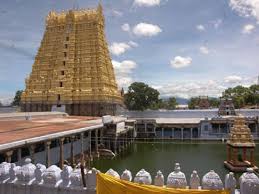
The defining landmark of the constituency is the Sankaranarayana Swamy Temple, one of the most unusual temples in Tamil Nadu. Here the presiding deity combines two major forms of Hindu worship — Shiva and Vishnu — symbolising the unity of Shaivite and Vaishnavite traditions.
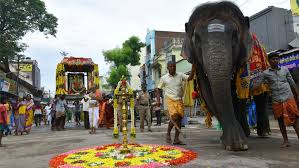
The temple attracts devotees from across the state, particularly during the grand Aadi Thapasu festival, when thousands gather to witness the annual rituals and processions.
The temple complex, with its towering gopuram and expansive courtyards, remains the spiritual heart of the town and the cultural centre of the constituency.
Agricultural Landscape
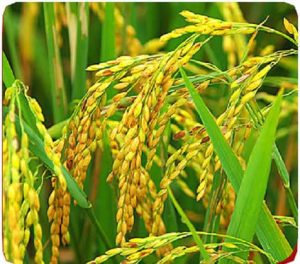

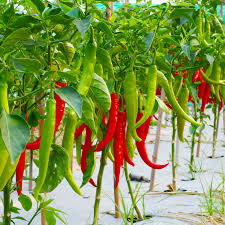
Beyond the temple town, the constituency spreads across rural plains where agriculture sustains the majority of the population. Farmers cultivate crops such as paddy, cotton, pulses and millets depending on seasonal rainfall and irrigation facilities.
Groundnut and chilli cultivation also contribute to the rural economy. Irrigation tanks and wells support farming activities across many villages.
Livestock rearing and small-scale rural trade supplement agricultural income.
The agricultural landscape continues to define the social and economic structure of the constituency.
Village Temples and Folk Traditions
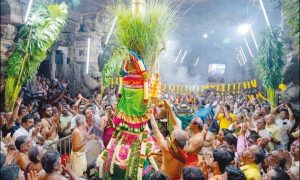
While the Sankaranarayana temple forms the spiritual centre of the region, village temples dedicated to Amman and guardian deities are equally important to local communities.
Annual temple festivals feature folk dances, traditional music and community feasts that bring together residents from surrounding villages.
These cultural traditions preserve the rural heritage of the region and reinforce the deep connection between religion and everyday life.
Markets and Rural Trade
Sankarankovil town serves as a trading hub for farmers from neighbouring villages. Weekly markets attract traders dealing in grains, vegetables and livestock.
Agricultural produce grown in surrounding areas is transported to markets across Tenkasi and neighbouring districts.
Small shops and commercial establishments provide essential services to residents of the constituency.
Geography and Regional Links
The constituency lies within the broader Tirunelveli–Tenkasi belt, a region known for its agricultural plains and temple towns. Roads connect Sankarankovil with Tenkasi, Tirunelveli and Rajapalayam, enabling farmers and traders to move goods across districts.
The proximity of the Western Ghats also influences the climate and agricultural patterns of the region.
These geographic connections help sustain the rural economy of the constituency.
Electoral Ledger
2011
Winner – S. Muthuselvi (AIADMK) – around 95,000 votes
Second – DMK candidate – around 83,000 votes
Third – DMDK candidate – around 16,000 votes
Winning Margin: about 12,000 votes
2016
Winner – Rajalakshmi M (AIADMK) – 78751 votes
Second – Anbumani G (DMK) – 64262 votes
Third – Sadhan Thirumalai Kumar (MDMK) – 20807 votes
Winning Margin: 14489 votes
2021
Winner – E. Raja (DMK) – 71347 votes
Second – Rajalakshmi V M (AIADMK) – 66050 votes
Third – Annadurai R.( AMMK) – 22682 votes
Margin: 5297 votes
The constituency has often reflected the broader electoral patterns of southern Tamil Nadu.
Civic and Development Concerns
Residents frequently raise several priorities:
• improved irrigation facilities for agriculture
• better road infrastructure linking villages
• employment opportunities for rural youth
• expansion of healthcare and education facilities
Addressing these issues remains central to political campaigns.
Political Temperament
The electorate largely consists of farmers, agricultural labourers and small traders. Rural welfare schemes, agricultural support and infrastructure development dominate political discussions.
Local leaders who maintain strong village-level connections often gain electoral advantage.
What Decides Sankarankovil
Three factors usually influence electoral outcomes:
Agrarian economy – farming communities remain the backbone of the electorate.
Temple identity – religious traditions shape cultural unity.
Rural infrastructure – irrigation and roads are key voter concerns.
Closing Frame
Sankarankovil is a town where temple bells echo across fields of cotton and millet. Pilgrims gather at the Sankaranarayana shrine while farmers cultivate the fertile plains surrounding the town.
The constituency reflects the enduring link between devotion and rural life in southern Tamil Nadu.
When Sankarankovil votes, it speaks for a region where faith, farming and tradition continue to guide the future.