

Srirangam: Island of Faith, Cauvery’s Sacred Heart and the Politics of a Temple City
 By Nandhini
- Tamil
- Hindi
- Malayalam
- Kannada
- Telugu
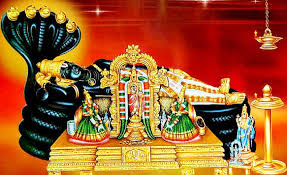
Constituency No. 139 | Tiruchirappalli District | General
Srirangam is one of the most revered temple towns in India, a sacred island formed by the branching of the Cauvery River and its northern distributary, the Kollidam. The town is dominated by the monumental Sri Ranganathaswamy Temple, one of the holiest centres of Vaishnavite worship and the largest functioning temple complex in the country.
For centuries pilgrims have crossed the Cauvery bridges into this island town to seek the blessings of Lord Ranganatha, the reclining form of Vishnu. The temple towers rising above the skyline serve as a powerful symbol of Tamil Nadu’s spiritual heritage.
Yet Srirangam is not merely a religious destination. It is also a politically significant constituency whose elections have often attracted statewide attention, especially during the tenure of former Chief Minister J. Jayalalithaa.
Thus Srirangam represents a constituency where sacred geography, centuries of religious tradition and modern electoral politics meet within a single historic landscape.
Island Between Two Rivers
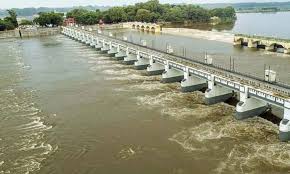
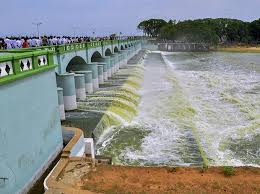
Geography defines Srirangam’s identity. The town lies on an island formed by the Cauvery and Kollidam rivers. This natural setting has historically provided fertile soil and abundant water for surrounding agriculture.
The Cauvery’s irrigation channels nourish the fields of the Tiruchirappalli region, while the rivers themselves protect and frame the temple island.
From ancient times the island’s location made it both sacred and strategically important.
Ranganathaswamy Temple: The Sacred Core
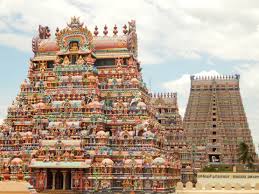
At the centre of the constituency stands the magnificent Sri Ranganathaswamy Temple, a complex that spreads across several concentric enclosures covering a vast area.
The towering Rajagopuram dominates the skyline and marks the temple as one of the architectural marvels of South India. Within the complex lie numerous shrines, pillared halls and sacred tanks built across centuries by the Cholas, Pandyas, Hoysalas and Vijayanagara rulers.
The temple is one of the 108 Divyadesams, celebrated in the devotional hymns of the Alvar saints.
Festivals such as Vaikunta Ekadasi draw enormous crowds, transforming the temple town into one of the busiest pilgrimage centres in Tamil Nadu.
Ramanuja and the Vaishnavite Tradition
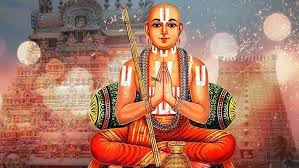
Srirangam occupies a special place in the life of Sri Ramanuja, the great philosopher of the Sri Vaishnava tradition. Ramanuja lived and taught in Srirangam, making the temple a major centre of theological learning.
His shrine inside the temple complex continues to attract devotees who revere him as one of the greatest teachers of Hindu philosophy.
Through Ramanuja’s influence, Srirangam became a powerful centre of Vaishnavite scholarship and religious practice.
Temple Streets and Sacred Town
Unlike most towns, Srirangam grew outward from its temple complex. Streets were laid in concentric rings around the shrine, creating neighbourhoods where priests, scholars and traders lived for generations.
Markets selling flowers, prayer offerings, traditional sweets and religious books line the temple streets. Pilgrims walk through these lanes throughout the day as temple bells echo across the town.
The entire urban layout reflects the centrality of the temple to the town’s life.
Political Significance
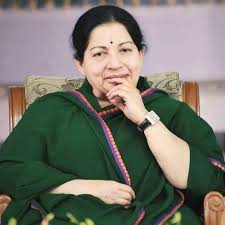
Srirangam gained special prominence in Tamil Nadu politics when J. Jayalalithaa, leader of the AIADMK and former Chief Minister, contested the Assembly election from the constituency in 2011 and won with a decisive margin.
Her victory turned the sacred temple town into one of the most closely watched constituencies in the state.
Even after that election, Srirangam continued to attract political attention because of its symbolic importance and association with prominent leaders.
Markets and Pilgrimage Economy
Temple tourism plays a major role in the local economy. Hotels, restaurants, lodging houses and shops cater to pilgrims visiting the temple throughout the year.
Traditional food stalls and flower markets add colour to the temple streets, while nearby Cauvery-fed villages supply rice and vegetables that support the town’s economy.
Thus Srirangam combines pilgrimage tourism with an agrarian hinterland.
Electoral Ledger
2011
Winner – J. Jayalalithaa (AIADMK) – 1,05,328 votes
Second – N. Anand (DMK) – 62,823 votes
Third – K. Balasubramanian (DMDK) – 21,464 votes
Winning Margin: 42,505 votes
2016
Winner – S. Valarmathi (AIADMK) – 108400 votes
Second – Palaniyandi M (DMK) – 93991 votes
Third – Rajeshkumar A (BJP) – 5988 votes
Winning Margin: 14409 votes
2021
Winner – M. Palaniyandi (DMK) – 113904 votes
Second – Kupa Krishnan (AIADMK) – 93989 votes
Third – K. Selvarathi (Naam Tamilar Katchi) – 17911 votes
Winning Margin: 19915 votes
2015 By-Election
A notable moment in the constituency’s recent political history occurred in 2015, when a by-election was held after J. Jayalalithaa’s conviction and disqualification in September 2014. The by-poll became a closely watched political contest across Tamil Nadu.
The election resulted in a victory for the AIADMK candidate, reaffirming the party’s influence in the constituency and keeping Srirangam firmly in the spotlight of state politics.
Civic Concerns
Residents often highlight several priorities:
• infrastructure for large pilgrim inflow
• protection of temple heritage structures
• flood management along the Cauvery
• improved civic services in the historic town
Balancing tourism growth with preservation of heritage remains an ongoing challenge.
Closing Frame
Srirangam stands on a sacred island where the waters of the Cauvery surround one of India’s greatest temple complexes. Pilgrims chant hymns in ancient corridors while political campaigns unfold in the streets outside.
Here faith and democracy coexist in remarkable harmony.
When Srirangam votes, it speaks with the voice of a town where religion, history and politics continue to flow together like the rivers that cradle the island.