

P. S. Kumaraswamy Raja (1949–1952)

🌐 Translate ▾
- Tamil
- Hindi
- Malayalam
- Kannada
- Telugu
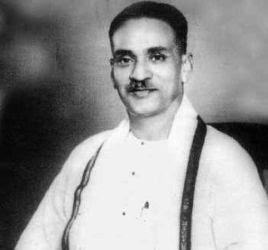
P. S. Kumaraswamy Raja served as the Chief Minister of Madras State from 1949 to 1952, succeeding Omandur Ramaswamy Reddiar. Born on July 8, 1898, in Rajapalayam, he was an active participant in the Indian freedom movement and a prominent member of the Indian National Congress. Raja entered public life at a young age and was deeply influenced by nationalist ideals and the call for social reform during the struggle against colonial rule.
During his tenure, Raja focused on social welfare, rural development, and agricultural improvement. One of the key initiatives of his administration was the strengthening of cooperative institutions to support farmers and small producers. His government also promoted education, particularly in rural areas, recognizing the importance of literacy and schooling in the process of nation-building. Efforts were made to expand basic infrastructure and public services in villages, which were essential for improving living standards across the state.
Raja strongly supported prohibition policies and various social reform measures aimed at improving public health and moral standards in society. His government also continued several agrarian and administrative reforms that had begun during the earlier years of independence. These policies reflected the broader goal of creating a socially responsible government that could address the economic and social challenges faced by the population in the early years after independence.
His tenure coincided with the historic 1951–52 Indian general election, which marked the beginning of large-scale electoral democracy in India. The election was a major administrative exercise, and the Madras government played an important role in organizing and conducting the democratic process across the state. Although the Congress party faced growing political competition during this period, Raja’s leadership ensured relative stability in governance and administration.
After leaving office in 1952, Raja continued to contribute to public life and later served as the Governor of Odisha. He remained respected for his commitment to public service and his dedication to rural upliftment. His tenure as Chief Minister is remembered for its focus on cooperative development, agricultural progress, and social welfare policies that aimed to strengthen the foundations of a newly independent democratic society.