

C. Rajagopalachari (1952–1954)

🌐 Translate ▾
- Tamil
- Hindi
- Malayalam
- Kannada
- Telugu
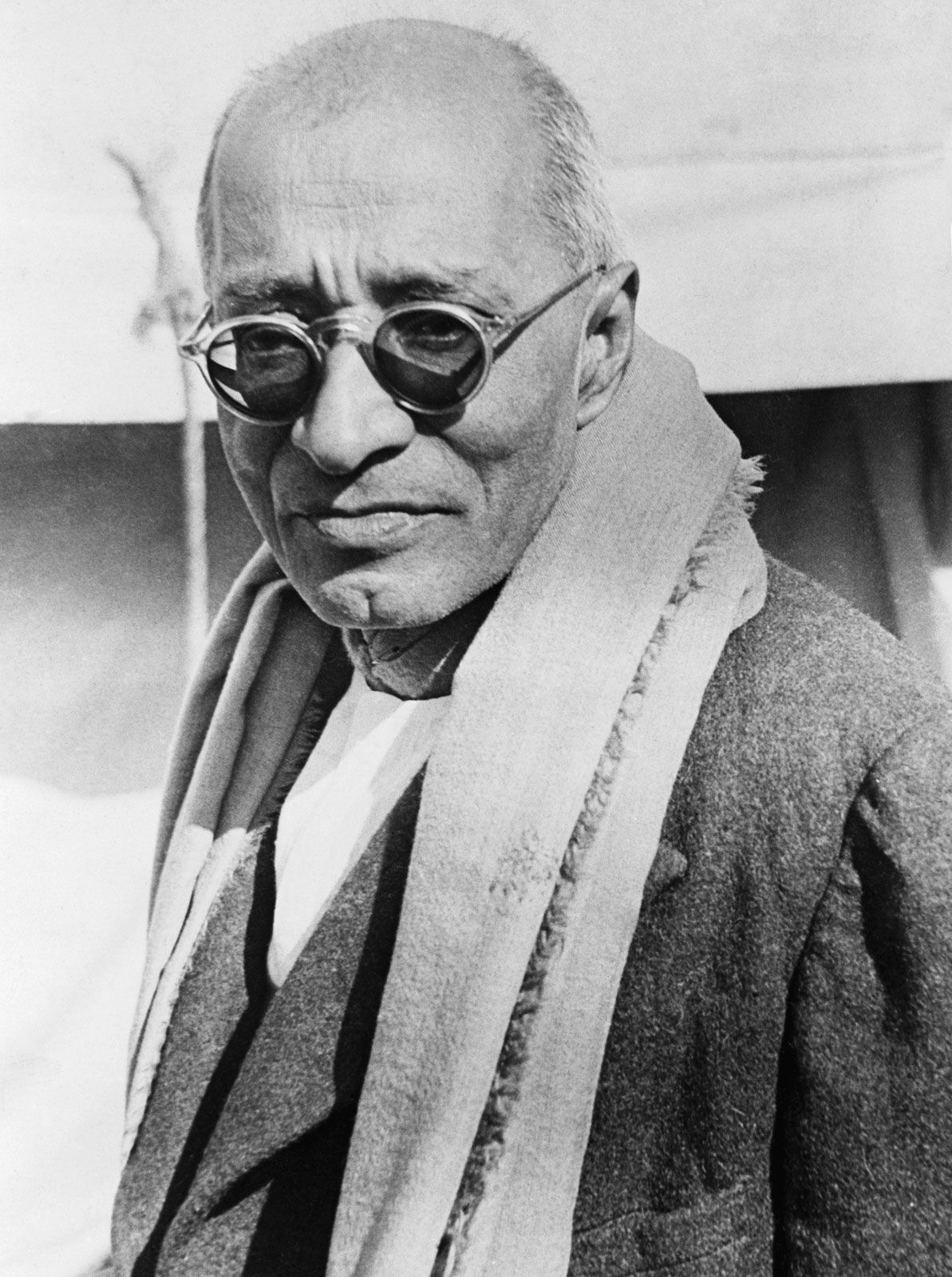
C. Rajagopalachari, popularly known as Rajaji, served as the Chief Minister of Madras State from 1952 to 1954. Born on December 10, 1878, in Thorapalli, he was a distinguished freedom fighter, close associate of Mahatma Gandhi, and the last Governor-General of India. A senior leader of the Indian National Congress, Rajaji played a crucial role in both the freedom struggle and the early years of independent India. After the first state elections in independent India, he assumed office as Chief Minister and became one of the most influential administrators in the state’s early political history.
His tenure is best remembered for the controversial “Modified Scheme of Elementary Education,” widely referred to as the Hereditary Education Policy. The scheme aimed to combine school education with vocational training linked to family professions. Rajaji believed that this approach would promote practical skills among students, reduce unemployment, and strengthen traditional economic activities. However, the policy faced strong opposition from many political groups and social reformers who argued that it reinforced caste-based occupations and limited social mobility.
The policy triggered widespread protests across the state, particularly from emerging Dravidian political movements and sections of the public who feared it would institutionalize social inequalities. The controversy gradually intensified political pressure on the government and ultimately contributed to Rajaji’s resignation in 1954. The debate surrounding the scheme also became a significant moment in the evolution of social and educational policy discussions in Tamil Nadu.
Despite the controversy over the education policy, Rajaji’s administration introduced several fiscal and administrative reforms aimed at improving efficiency in governance. He was known for advocating financial discipline, reducing unnecessary government expenditure, and promoting responsible administration. His government also worked on strengthening institutional governance and maintaining administrative stability during a period of political transition.
Beyond politics, Rajaji was widely respected as a scholar, writer, and philosopher. He authored several works on Indian culture, religion, and ethics, including simplified retellings of the Ramayana and the Mahabharata, which became popular among readers. Rajaji remains a towering figure in Indian political history, remembered for his intellectual brilliance, principled leadership, and willingness to take independent positions even in the face of political opposition.