


Kovalam, Aug 20:
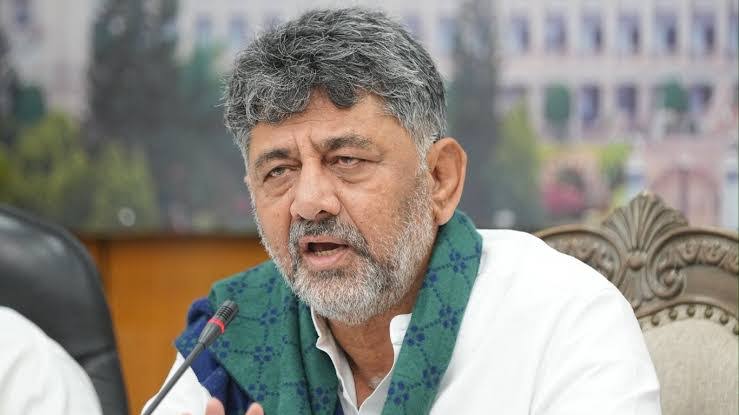
Karnataka Chief Minister D.K. Shivakumar on Thursday used the South Indian Chief Ministers’ Conference in Kovalam to pitch the proposed Mekedatu dam across the Cauvery as a project that, he said, could benefit both Karnataka and Tamil Nadu by storing water for use during periods of scarcity.
The conference, chaired by Union Home Minister Amit Shah, began at a star hotel in Kovalam near Mamallapuram at 10.30 am. Tamil Nadu Chief Minister Vijay, who is the vice-chairman of the conference committee, welcomed the participants. Chief ministers and senior officials from the southern States took part in discussions on inter-State issues, water sharing, internal security and development.
Speaking on the Cauvery issue, Shivakumar said Karnataka’s proposed Mekedatu reservoir would help conserve water that otherwise flows into the sea as surplus during periods of heavy inflow. He argued that storing the water would enable both Karnataka and Tamil Nadu to benefit, particularly during droughts and other periods of water stress.
Shivakumar said the absence of a storage facility at Mekedatu meant that excess water was being allowed to flow into the sea. According to him, a reservoir at Mekedatu could help regulate the availability of water and make it possible to utilise the stored water during difficult periods.
The Karnataka leader also sought to shift the approach to inter-State river disputes from one centred on water-sharing to one based on cooperation. “Water should unite us and not divide us,” he said, stressing the need for greater cooperation among southern States in managing shared river resources.
He also referred to the Krishna river dispute, saying Karnataka was unable to fully utilise its share of Krishna water because of objections from Andhra Pradesh. He said a legal battle over the issue was continuing in the Supreme Court.
Shivakumar’s comments come at a time when the Mekedatu project has once again emerged as a major point of contention between Karnataka and Tamil Nadu. Karnataka has been pressing for the construction of the proposed reservoir, while Tamil Nadu has consistently opposed it, maintaining that the project could affect the State’s interests in the Cauvery river and its entitlement under the existing water-sharing arrangements.
The Karnataka government has recently submitted a revised Detailed Project Report for the Mekedatu project to the Centre. The proposed project envisages a reservoir with a storage capacity of around 67 TMC. Karnataka has maintained that the project is intended primarily to meet Bengaluru’s drinking water requirements and also generate hydropower.
The revised DPR has also highlighted the project’s potential environmental impact. Around 12,500 acres of forest land are expected to be submerged and nearly 8.90 lakh trees could be affected or felled for the project. These aspects are likely to become important issues during the environmental and statutory clearance process.
Shivakumar also raised the issue of the financial relationship between the Centre and the States, stating that Karnataka had sought a fairer share of tax revenues for the States. He argued that stronger financial devolution was necessary to enable States to address their developmental requirements effectively.