

Chengam: Between Sacred Hill and Social Justice Mandate

- Tamil
- Hindi
- Malayalam
- Kannada
- Telugu
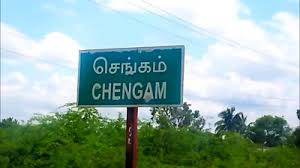
Constituency No. 62 | Tiruvannamalai District | Scheduled Caste (Reserved)
Chengam rests on the western flank of Tiruvannamalai district, where the sacred silhouette of Arunachala fades into dry plains and scattered hillocks. It is a constituency that absorbs the spiritual gravity of Tiruvannamalai while retaining its own rural cadence — agrarian, caste-aware and politically disciplined.
Reserved for Scheduled Castes, Chengam carries both devotional memory and representational weight.
In Chengam, the ballot travels through temple bells and tank bunds alike.
Shadow of Arunachala
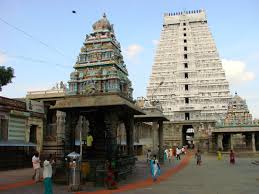
Though the Arunachaleswarar Temple lies outside its precise boundary, Chengam exists within its cultural radius. Pilgrim movement toward Tiruvannamalai influences commerce and seasonal rhythms in nearby villages.
Local shrines — Mariamman, Ayyanar and Murugan temples — anchor community life. During Aadi and Panguni festivals, fire-walking rituals and village theatre performances animate the constituency’s social calendar.
Chengam’s religious life is rural and unembellished, shaped by inherited faith rather than tourism scale.
Dry Belt Agriculture

The constituency falls largely within a semi-arid agricultural belt. Paddy cultivation is limited to irrigated tracts; millets, groundnut and pulses dominate rain-fed areas. Borewell dependence has increased, sharpening concerns about groundwater sustainability.
Tank restoration and minor irrigation projects surface in campaign speeches. Farmers measure governance in water levels and electricity supply for pump sets.
Agriculture here is resilient but vulnerable.
Hills, Highways and Rural Mobility
Chengam lies along road corridors connecting Tiruvannamalai to Krishnagiri and Vellore regions. Lorry movement and bus connectivity matter for trade and employment access.
Interior village roads require constant relaying after monsoon wear. Students commute to Tiruvannamalai for higher education, tying the constituency to district headquarters infrastructure.
Mobility shapes aspiration.
Electoral Ledger:
Reserved status frames Chengam’s contests within broader Dravidian bipolar competition.
2011
Winner: K. P. Munusamy (AIADMK) — 92,113 votes
Second: M. Selvaraj (DMK) — 79,427 votes
Third: R. Kannan (DMDK) — 23,864 votes
Margin: 12,686 votes
2016
Winner: Giri M P (DMK) — 95939 votes
Second: Dinagaran M (ADMK) — 83248 votes
Third: Murugan C (PMK) — 15114 votes
Margin: 12691 votes
2021
Winner: Giri M.P (DMK) — 1,08,081 votes
Second: Nainakannu M.S (AIADMK) — 96,511 votes
Third: Vennila .S (Naam Tamilar Katchi) — 12,080 votes
Margin: 11,570 votes
Alliance consolidation widened the margin once more.
Chengam does not exhibit wild volatility; it recalibrates within structured rivalry.
Social Justice and Ground Delivery
As a Scheduled Caste-reserved constituency, Chengam’s electorate evaluates representation through tangible outcomes:
Housing schemes.
Scholarship access.
Rural employment opportunities.
Drinking water supply in marginalised hamlets.
Community leaders and self-help groups influence mobilisation. Welfare delivery is monitored closely.
Representation here must translate into presence.
Civic Concerns
Primary issues include:
Tank desilting and minor irrigation works.
Rural road maintenance.
Healthcare access in interior villages.
Public distribution system efficiency.
In drought years, grievance sharpens. In seasons of steady rainfall, confidence consolidates.
Chengam’s political mood moves with monsoon arithmetic.
Folk Traditions and Cultural Continuity

Village festivals feature folk drumming, therukoothu performances and communal feasts. Pongal remains a central cultural marker, with decorated cattle and rural games reinforcing agrarian pride.
Cultural rhythm here tempers political contestation.
Cuisine and Rural Palate
Chengam’s cuisine reflects northern Tamil Nadu’s agrarian taste — rice meals, tamarind gravies, ragi preparations and pepper-seasoned curries. Temple festival stalls serve sweet pongal and local savouries.
Food remains tied to cultivation cycles.
What Decides Here
Three determinants shape Chengam’s electoral trajectory:
Water Security.
Agrarian stability is fundamental.
Welfare Delivery.
Reserved status heightens scrutiny of scheme implementation.
Booth Organisation.
Margins depend on disciplined mobilisation.
Chengam votes with awareness, not impulse.
Closing Frame
Dry fields stretch beneath distant hillocks. Temple drums echo through dusk air. Buses depart toward Tiruvannamalai at dawn. Farmers gather under neem trees discussing crop prospects and campaign promises.
Chengam stands between sacred hill and social justice mandate — a constituency grounded in agrarian resilience and representational vigilance.
When it votes, it does so with measured clarity.
In Chengam, mandate is deliberate — never dramatic.