

Kilpennathur: Temple Hills, Agrarian Fields and the Quiet Strength of Tiruvannamalai’s Hinterland

- Tamil
- Hindi
- Malayalam
- Kannada
- Telugu

Constituency No. 64 | Tiruvannamalai District | General
Kilpennathur lies in the rural heart of Tiruvannamalai district, a constituency shaped by fertile plains, temple traditions and the powerful spiritual aura of the sacred Arunachala hill nearby. Though largely agrarian in character, Kilpennathur sits within the broader cultural orbit of one of Tamil Nadu’s most revered pilgrimage centres.
Fields of paddy, groundnut and sugarcane stretch across the landscape, broken occasionally by temple towers and village tanks that sustain agriculture. The constituency represents the quieter countryside surrounding Tiruvannamalai town — a region where farming communities and temple culture together define the local way of life.
In Kilpennathur, politics moves at the rhythm of rural Tamil Nadu.
In the Shadow of Arunachala

Kilpennathur’s cultural identity is closely linked to nearby Tiruvannamalai, home to the celebrated Arunachaleswarar Temple, one of the most sacred Shiva temples in India and among the Pancha Bhoota shrines representing the element of fire.
Every year, millions of devotees visit the temple and undertake the Girivalam pilgrimage around the Arunachala hill. Residents of Kilpennathur are closely connected to this spiritual ecosystem, with many villages participating in festival preparations and pilgrim services.
Religion therefore remains a strong cultural influence across the constituency.
Agriculture and Irrigation
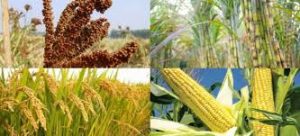
Agriculture forms the backbone of Kilpennathur’s economy. Farmers cultivate paddy, millets, sugarcane and groundnut depending on rainfall patterns and irrigation availability.
Village tanks and wells remain essential water sources. Maintaining these water bodies is a constant priority for farmers who depend on seasonal rains and careful water management.
Local markets allow farmers to trade produce and purchase supplies, keeping the rural economy active.
In Kilpennathur, water security often shapes electoral conversations.
Village Temples and Folk Traditions

Beyond the grand shrine at Tiruvannamalai, Kilpennathur’s villages are dotted with temples dedicated to Mariamman, Ayyanar and Murugan. These shrines serve as community centres where festivals reinforce local identity.
Temple festivals feature folk music, traditional dances and communal meals. Such events bring together entire villages and strengthen social bonds.
These gatherings also provide opportunities for political leaders to interact directly with residents.
Faith and community remain closely intertwined.
Education and Rural Mobility
Educational opportunities in nearby Tiruvannamalai town influence the aspirations of young residents in Kilpennathur. Students often commute to colleges and technical institutes, seeking careers beyond agriculture.
Improved road connectivity has helped expand access to education and employment opportunities.
This gradual mobility has begun to reshape the constituency’s social structure.
Electoral Ledger:
Kilpennathur has seen competitive electoral contests reflecting the broader political trends of northern Tamil Nadu.
2011
Winner: V. S. Ramachandran (AIADMK) — 92,413 votes
Second: K. Pitchandi (DMK) — 83,794 votes
Third: R. Kumar (DMDK) — 24,875 votes
Margin: 8,619 votes
2016
Winner: K. Pitchandi (DMK) — 99070 votes
Second: Selvamani K (AIADMK) — 64404 votes
Third: Ediroli mani G (PMK) — 20737 votes
Margin: 34666 votes
2021
Winner: K. Pitchandi (DMK) — 1,04,675 votes
Second: Selvakumar (PMK) — 77,888 votes
Third: Dr.R.Rameshbabu (NTK) — 11541 votes
Margin: 26,787 votes
Alliance realignments again reshaped the electoral outcome.
Kilpennathur voters have shown a readiness to respond to changing political currents.
Civic and Development Concerns
Residents frequently highlight several issues:
Restoration and maintenance of irrigation tanks.
Road connectivity linking villages to Tiruvannamalai town.
Access to drinking water in rural settlements.
Educational and employment opportunities for youth.
Agricultural sustainability remains the most pressing concern for many households.
Cuisine and Rural Food Culture
Food traditions here reflect the simplicity of agrarian life. Rice meals accompanied by lentil-based gravies, seasonal vegetables and millet preparations remain common.
Temple festivals bring special dishes and communal cooking that strengthen social bonds.
Cuisine mirrors the agricultural rhythm of the region.
Political Temperament
Kilpennathur’s electorate tends to prioritise accessibility and grassroots engagement from political representatives. Farmers, agricultural labourers and village elders often influence political discussions.
Campaigns in the constituency focus heavily on rural welfare, irrigation support and infrastructure improvements.
Politics here is measured, practical and rooted in local concerns.
What Decides Kilpennathur
Three factors often determine electoral outcomes:
Agricultural stability.
Water availability and crop support influence sentiment.
Rural infrastructure.
Roads, schools and basic services shape everyday life.
Alliance dynamics.
Statewide coalitions affect margins in closely contested elections.
Kilpennathur rarely produces sudden political surprises.
Closing Frame
Morning sunlight spreads across fields while farmers begin work beside irrigation tanks. Temple bells echo from village shrines as buses carry students toward Tiruvannamalai town. Pilgrims pass along roads leading to the sacred Arunachala hill.
Kilpennathur stands as a quiet yet vital part of the Tiruvannamalai landscape — a constituency where agriculture, devotion and community continue to shape political choices.
When Kilpennathur votes, the verdict rises from its villages.