

Krishnagiri: Mango Capital, Highway Crossroads and the Bypoll That Stirred Tamil Nadu Politics

- Tamil
- Hindi
- Malayalam
- Kannada
- Telugu

Constituency No. 53 | Krishnagiri District | General
Krishnagiri stands at a strategic gateway of Tamil Nadu, where the state meets Karnataka and the highways of southern India converge. The constituency lies amid rocky hillocks, mango orchards and expanding transport corridors that link Chennai, Bengaluru and western Tamil Nadu.
It is both an agricultural centre and a growing logistics hub.
Krishnagiri is widely known as the mango capital of Tamil Nadu, producing large quantities of fruit that travel across India and beyond. Yet its political history carries another distinction. The constituency witnessed one of the most controversial by-elections in the state’s electoral memory — an episode that triggered intense debate about electoral practices and campaign conduct.
Krishnagiri therefore represents a mix of agriculture, trade and political drama.
Mango Orchards and Agricultural Wealth
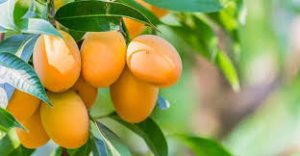
The region surrounding Krishnagiri is famous for its extensive mango orchards. Thousands of hectares of farmland are devoted to mango cultivation, and the district produces several well-known varieties exported to markets across India.
During the harvest season, trucks loaded with mango crates line the highways leading out of the district. Fruit processing units and trading centres support the local economy, providing employment to farmers and labourers.
Agriculture remains the backbone of the constituency.
For many residents, the success of the mango season can influence the economic mood of the entire region.
Hill Forts and Temple Heritage

Krishnagiri’s landscape is marked by rocky hills that once served as defensive positions during earlier centuries. The historic Krishnagiri Fort stands as a reminder of the region’s strategic importance during the Vijayanagara and later Mysore periods.
Temple traditions remain strong in the constituency. The nearby Chandrachoodeswarar Temple, situated on a hilltop within the district, attracts devotees from surrounding areas. Local Amman temples and village shrines host annual festivals that reinforce community identity.
The region therefore blends historical memory with religious tradition.
Highway Gateway

Krishnagiri occupies a critical location along the national highway corridor connecting Chennai and Bengaluru. The town has become a major transit point for goods vehicles, passenger buses and travellers moving between the two major cities.
The presence of toll plazas, roadside markets and logistics facilities reflects the economic significance of this highway network. Transport services, hospitality businesses and trading establishments thrive along the route.
Krishnagiri’s strategic geography has therefore shaped both commerce and politics.
The Controversial Bypoll
Krishnagiri entered Tamil Nadu’s political spotlight during a by-election that became widely discussed across the state. The contest drew intense attention because of allegations related to campaign practices and voter mobilisation strategies.
The bypoll witnessed aggressive campaigning by major political parties and attracted scrutiny over electoral conduct. The scale of the campaign and the controversies surrounding it turned the election into one of the most talked-about political episodes of its time.
The debate surrounding the by-election contributed to wider discussions about electoral transparency and campaign regulation in Tamil Nadu.
For Krishnagiri voters, the episode remains a reminder of how a local election can acquire statewide significance.
Electoral Ledger:
Krishnagiri has experienced closely fought elections reflecting the competitive political environment of northern Tamil Nadu.
2011
Winner: K. P. Munusamy (AIADMK) — 1,05,981 votes
Second: T. Senguttuvan (DMK) — 78,412 votes
Third: R. Kumar (DMDK) — 26,973 votes
Margin: 27,569 votes
2016
Winner: T. Senguttuvan (DMK)— 87637 votes
Second: V.Govindaraj (ADMK) — 82746 votes
Third: S.Kumar (PMK) — 15736 votes
Margin: 4891 votes
2021
Winner: K. Ashok Kumar (AIADMK) — 96,050 votes
Second: Senguttuvan T. (DMK) — 95,256 votes
Third: Nirandari. V (NTK) — 11,137 votes
Margin: 794 votes
Alliance dynamics again influenced the electoral outcome.
Krishnagiri voters have shown a willingness to shift with broader political currents.
Civic and Development Concerns
Residents frequently highlight several issues:
Water supply and irrigation support for agriculture.
Infrastructure along national highways and transport corridors.
Employment opportunities for youth.
Market support for mango farmers.
Balancing agricultural development with industrial expansion remains an ongoing challenge.
Cuisine and Local Taste

Krishnagiri’s cuisine reflects rural Tamil Nadu’s flavours — rice meals accompanied by lentil-based gravies and locally grown vegetables. Mango-based pickles and desserts are common during harvest season.
Food culture here reflects the agricultural bounty of the region.
Political Temperament
Krishnagiri voters represent a mix of farmers, traders and transport workers. Political mobilisation often revolves around agricultural welfare, infrastructure development and employment opportunities.
Campaigns here combine rural outreach with urban trade interests.
The constituency remains politically alert and competitive.
What Decides Krishnagiri
Three factors usually influence electoral outcomes:
Agricultural prosperity
Mango production and crop prices affect rural sentiment.
Transport economy
Highway trade shapes the local economy.
Alliance dynamics
Statewide political alignments influence margins.
Krishnagiri voters often balance economic interests with political loyalty.
Closing Frame
Mango orchards stretch across the hills while trucks rumble along the highway carrying fruit to distant markets. Temple bells echo through villages as traders prepare crates for the next shipment.
Krishnagiri stands at the crossroads of agriculture and commerce — a constituency where orchards, highways and politics intersect.
When Krishnagiri votes, the verdict carries the weight of both harvest and history.