

Mannargudi: Rajagopalaswamy’s Realm, Temple Tanks and the Politics of the Cauvery Delta

- Tamil
- Hindi
- Malayalam
- Kannada
- Telugu
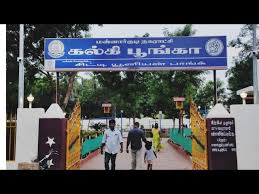
Constituency No. 167 | Tiruvarur District | General
Mannargudi is one of the most culturally resonant constituencies of the Cauvery delta. Located in Tiruvarur district, the town has for centuries been celebrated for its magnificent temple architecture, rich agrarian surroundings and deep religious traditions.
Yet Mannargudi also carries a contemporary political identity that reaches far beyond the delta — it is widely known as the hometown of V. K. Sasikala, a controversial but influential figure in Tamil Nadu politics.
The constituency therefore blends ancient temple heritage with modern political associations. From the towering gopurams of the Rajagopalaswamy temple to the lush paddy fields nourished by the Cauvery’s irrigation networks, Mannargudi represents a delta region where religion, agriculture and politics intersect.
Rajagopalaswamy Temple: The Southern Dwaraka
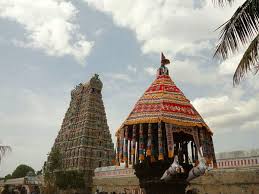
At the heart of the constituency stands the grand Rajagopalaswamy Temple, one of the most significant Vaishnavite temples in the Cauvery delta. Dedicated to Lord Krishna in the form of Rajagopala, the temple is revered as “Dakshina Dwaraka” — the Southern Dwaraka.
The temple complex is vast, with imposing gopurams, expansive corridors and intricate sculptures reflecting centuries of architectural evolution under the Chola and later Nayak rulers. Devotees from across Tamil Nadu visit the temple to seek the blessings of Rajagopalaswamy, especially during major festivals.
One of the temple’s most striking features is the enormous Haridra Nadhi temple tank, a vast water body that forms an integral part of the temple complex. The tank spreads across several acres and is among the largest temple tanks in Tamil Nadu. During festival seasons it becomes the focal point of ritual celebrations and religious gatherings.
The temple’s scale and historical importance give Mannargudi a stature far greater than that of a typical delta town.
Temple Town Culture
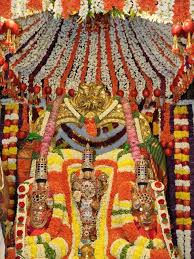
Mannargudi’s identity is inseparable from its temple traditions. Religious festivals dominate the town’s cultural calendar, with the annual Brahmotsavam of Rajagopalaswamy drawing large numbers of devotees.
Temple streets come alive during these celebrations as chariots carrying the deity move through decorated avenues accompanied by music, lamps and chanting. Markets selling flowers, sweets and devotional items flourish around the temple precinct.
This culture of temple worship has shaped the town’s social life for centuries, reinforcing Mannargudi’s reputation as a major Vaishnavite centre in the delta.
The Cauvery Delta Landscape
Beyond the temple streets lie the fertile plains of the Cauvery delta. Mannargudi is surrounded by paddy fields nourished by irrigation channels that branch out from the Cauvery and its distributaries.
Agriculture forms the backbone of the constituency’s economy. Farmers cultivate paddy across large stretches of land, contributing to the delta’s reputation as one of Tamil Nadu’s most productive agricultural regions.
The agricultural cycle — sowing, transplanting and harvesting — defines the rhythm of life in the villages surrounding Mannargudi.
Sasikala and Contemporary Politics
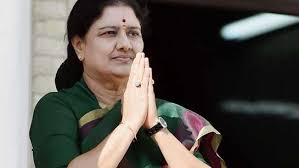
In recent decades Mannargudi gained national attention because of its association with V. K. Sasikala, a close aide of former Chief Minister J. Jayalalithaa. Sasikala’s family roots lie in Mannargudi, and the town became widely discussed in Tamil Nadu political discourse during the period when her extended family wielded influence within the AIADMK establishment.
The phrase “Mannargudi family” entered political vocabulary during those years, reflecting debates about power and influence within the party.
Though Sasikala herself did not represent the constituency as an elected legislator, the association placed Mannargudi firmly in the political spotlight.
Kamala Harris Connection
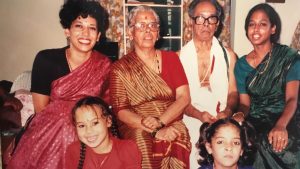
Mannargudi also appears in global conversations through a genealogical connection with Kamala Harris. Harris’s maternal grandfather, P. V. Gopalan, hailed from this region of Tamil Nadu.
The family later moved to other parts of the state, including Chennai, but the ancestral link to Mannargudi remains part of the broader narrative surrounding Harris’s Indian heritage.
This connection has occasionally drawn international curiosity toward the town, particularly during major moments in American politics.
Temples and Sacred Geography
Apart from the Rajagopalaswamy temple, Mannargudi and its surrounding villages host numerous shrines dedicated to Shiva, Amman and Murugan. Temple festivals remain central to the cultural life of the region, drawing devotees from neighbouring districts.
These religious traditions reinforce the constituency’s reputation as a spiritually vibrant part of the Cauvery delta.
Faith continues to shape everyday life across the town and its villages.
Electoral Ledger:
Mannargudi has witnessed lively electoral contests reflecting the shifting political dynamics of the Cauvery delta.
2011
Winner: T. R. B. Rajaa (DMK) — 81,429 votes
Second: K. P. Panneerselvam (AIADMK) — 77,296 votes
Third: A. Rajendran (DMDK) — 23,874 votes
Margin: 4,133 votes
2016
Winner: T. R. B. Rajaa (DMK) — 91137 votes
Second: Kamaraj S (AIADMK) — 81200 votes
Third: Murugaiyan Babu A(DMDK) — 5966 votes
Margin: 9937 votes
2021
Winner: T. R. B. Rajaa (DMK) — 87,172 votes
Second: Rajamanickam Siva(AIADMK) — 49,779 votes
Third: Kamaraj.S (AMMK) — 40,481 votes
Margin: 37,393 votes
The constituency’s results often reflect broader political trends across the Cauvery delta.
Civic and Development Concerns
Residents frequently highlight several development priorities:
ensuring reliable irrigation for agriculture
improving rural roads connecting delta villages
strengthening local markets for farm produce
preserving temple heritage and tourism potential
Balancing agricultural needs with heritage conservation remains a key challenge.
Political Temperament
The electorate of Mannargudi consists largely of farmers, traders and temple-related occupations. Political mobilisation often occurs through village networks and agricultural communities.
Election campaigns frequently focus on issues such as water management, agricultural support policies and rural infrastructure.
Local leadership and accessibility often play decisive roles in shaping voter sentiment.
What Decides Mannargudi
Three factors typically shape electoral outcomes:
Agricultural prosperity
Farmers form the backbone of the electorate.
Temple economy
Pilgrimage and religious festivals influence local livelihoods.
Political legacy
The town’s association with prominent political figures continues to shape public discourse.
Mannargudi voters therefore weigh both economic interests and political credibility when casting their ballots.
Closing Frame
At sunrise the gopurams of Rajagopalaswamy temple rise above the temple tank as devotees gather for morning worship. Beyond the town, the green fields of the Cauvery delta stretch across the countryside where farmers begin their day’s work.
Mannargudi stands as a unique constituency where sacred architecture, agricultural prosperity and modern political history meet.
When Mannargudi votes, the verdict echoes through both the temple streets of the delta and the wider political theatre of Tamil Nadu.