

Musiri: Cauvery’s Curve, Delta’s Edge and the Temple–River Life of Tiruchirappalli’s Countryside
 By Mahalakshmi
- Tamil
- Hindi
- Malayalam
- Kannada
- Telugu

Constituency No. 145 | Tiruchirappalli District | General
Musiri lies along one of the most fertile stretches of the Cauvery river, a constituency where agriculture, river culture and temple traditions shape everyday life. Located north-west of Tiruchirappalli city, Musiri marks the transition between the rocky uplands of the interior and the greener agricultural belt nourished by the Cauvery’s irrigation channels.
For generations the river has determined the rhythm of life here. Paddy fields stretch across the countryside during cultivation seasons, and farmers depend heavily on Cauvery water releases to sustain their crops. The constituency therefore belongs to the broad agricultural landscape of central Tamil Nadu where river irrigation remains the foundation of rural prosperity.
Musiri may not be a large urban centre, but it occupies a strategic and cultural position along the river corridor connecting Tiruchirappalli with Namakkal and Salem districts.
Cauvery River and Fertile Fields
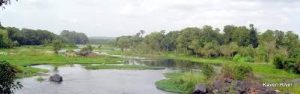
The Cauvery River flows close to Musiri, shaping both its geography and agricultural economy. Irrigation canals branching from the river carry water into the surrounding villages, enabling cultivation of paddy, sugarcane, banana and other crops.
During the monsoon season the river swells and nourishes the deltaic soils, turning the countryside into a vibrant green landscape. Farmers rely on these irrigation systems to sustain their livelihoods.
The Cauvery therefore remains the lifeline of the constituency.
Agricultural cycles — sowing, transplanting and harvesting — continue to define life in Musiri’s villages.
Riverbank Settlements and Rural Life
Many of the settlements within the constituency lie along the riverbanks or near irrigation tanks that store Cauvery water. These tanks, constructed over centuries, serve as vital reservoirs supporting agriculture during dry periods.
Village life in Musiri revolves around farming, temple festivals and weekly markets where farmers sell produce such as vegetables, grains and coconuts.
Despite its proximity to Tiruchirappalli city, the constituency retains a distinctly rural character.
Agriculture and community traditions remain the backbone of social life.
Temple Heritage of the Cauvery Belt

The Musiri region lies within a landscape rich in temple heritage. Numerous shrines dedicated to Shiva, Vishnu and Amman stand across the villages surrounding the town.
Among the important temples influencing the region is the Gunaseelam Prasanna Venkatachalapathy Temple, located near the banks of the Cauvery. The temple is revered as a healing shrine where devotees pray for relief from physical and mental ailments.
Pilgrims visit the temple throughout the year, bringing spiritual activity and economic support to nearby communities.
Village Amman temples also host vibrant festivals featuring traditional music, processions and community gatherings.
Religion therefore continues to shape the cultural identity of the constituency.
Agriculture and Local Economy
The economy of Musiri is dominated by agriculture and allied activities. Paddy cultivation forms the main crop, supported by irrigation from the Cauvery river system.
Farmers also grow banana, sugarcane and vegetables that are transported to markets in Tiruchirappalli and neighbouring districts. Dairy farming supplements agricultural income in many villages.
Local markets provide outlets for produce while agricultural labour supports the cultivation cycle.
Thus the rural economy of Musiri remains closely tied to the fertility of the Cauvery basin.
Transport Links and Regional Trade

Musiri lies along road networks connecting Tiruchirappalli with Namakkal and Salem districts, making it an important transport corridor for agricultural produce and trade.
Buses connect the town with surrounding villages and nearby urban centres, enabling residents to access educational institutions, hospitals and markets.
The road network therefore plays a crucial role in supporting economic activity within the constituency.
Transport infrastructure continues to influence the development of the region.
Electoral Ledger:
Musiri has witnessed closely contested elections reflecting the broader political dynamics of central Tamil Nadu.
2011
Winner: N. R. Sivapathi (AIADMK) — 1,04,681 votes
Second: K. N. Nehru (DMK) — 86,357 votes
Third: R. Kumar (DMDK) — 27,516 votes
Margin: 18,324 votes
2016
Winner: Selvarasu M (AIADMK) — 89398 votes
Second: Vijaya Babu S (INC) — 57311 votes
Third: Rajasekaran M (TMC (M)) — 8581 votes
Margin: 32087 votes
2021
Winner: N. Thiyagarajan (DMK) — 90,624 votes
Second: M.Selvarasu (AIADMK) — 63,788 votes
Third: Sridevi Ilangovan (Naam Tamilar Katchi) — 14,311 votes
Margin: 26,836 votes
Electoral trends in the constituency often reflect wider shifts in political sentiment across the Tiruchirappalli region.
Civic and Development Concerns
Residents frequently raise several key development issues:
dependable irrigation water from the Cauvery
modernisation of agricultural markets
improved road infrastructure connecting villages
employment opportunities for rural youth
Farmers particularly emphasise the importance of water management for sustaining agriculture.
Ensuring balanced rural development remains a central political priority.
Political Temperament
The electorate of Musiri largely consists of farmers, agricultural labourers, traders and small business owners. Political mobilisation often occurs through village networks and farming communities.
Campaigns frequently focus on agricultural policies, irrigation management and rural infrastructure development.
Local leadership and accessibility often influence voter preferences.
What Decides Musiri
Three factors usually shape electoral outcomes:
Irrigation and water security
Reliable Cauvery water remains vital for agriculture.
Agrarian economy
Farmers form the backbone of the electorate.
Village networks
Community ties play an important role in political mobilisation.
Musiri voters therefore prioritise stability in agriculture and rural development.
Closing Frame
Along the banks of the Cauvery near Musiri, farmers begin their day tending to fields nourished by the river’s waters. Temple bells echo from village shrines while markets prepare to receive the day’s harvest.
Musiri stands quietly within this fertile river landscape — a constituency shaped by water, agriculture and enduring rural traditions.
When Musiri votes, the verdict reflects the voice of a farming region deeply rooted in the Cauvery’s fertile embrace.