

Nannilam: Cauvery Delta Fields, Temple Heritage and the Quiet Agrarian Core of Tiruvarur
 By Nandhini
- Tamil
- Hindi
- Malayalam
- Kannada
- Telugu
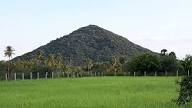
Constituency No. 169 | Tiruvarur District | General
Nannilam lies deep within the fertile Cauvery delta, a constituency where agriculture is not merely an occupation but the central axis of life. Located in Tiruvarur district, the region forms part of the historic rice bowl of Tamil Nadu — a landscape shaped by canals, tanks and distributaries of the Cauvery river that nourish vast stretches of paddy fields.
Unlike urban constituencies where commerce or industry dominates public life, Nannilam retains the character of a traditional delta settlement. Farmers, agricultural labourers and traders define the economic rhythm of the region, while temples and village festivals continue to anchor its cultural life.
In political terms too, Nannilam reflects the wider dynamics of the Cauvery delta — a region where irrigation policies, agricultural welfare and water-sharing debates often influence voter sentiment.
Cauvery Delta Landscape

The prosperity of Nannilam is inseparable from the irrigation networks fed by the Cauvery River. Canals branching from the river and its distributaries carry water into the fields surrounding the town, enabling extensive paddy cultivation.
During the monsoon and irrigation seasons the countryside transforms into a patchwork of green fields stretching across the horizon. Farmers transplant seedlings, tend the crops and harvest the grain that feeds much of Tamil Nadu.
The Cauvery delta has historically supported dense rural settlement, and Nannilam remains one of the constituencies where that agricultural tradition continues most visibly.
Temple Heritage of the Delta
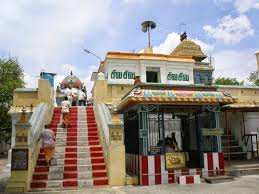
The Nannilam region contains several ancient temples reflecting the long religious history of the Cauvery delta. One of the prominent shrines is the Madhuvaneswarar Temple, a Shiva temple associated with early Chola-period architecture and devotional traditions.
The temple attracts devotees from surrounding villages and hosts annual festivals that bring together large gatherings of worshippers. The architecture and rituals reflect the rich Saivite heritage of the delta.
Village temples dedicated to Amman and Murugan are also common across the constituency. These shrines serve as focal points for community gatherings and seasonal celebrations.
Religion therefore remains deeply intertwined with the rural life of Nannilam.
Agriculture & Rural Economy

Paddy cultivation forms the backbone of the local economy. Farmers rely heavily on timely releases of Cauvery water to sustain their crops. Alongside rice cultivation, some farmers also grow pulses, groundnut and vegetables depending on soil conditions and irrigation availability.
Agricultural labour provides employment to many residents of the constituency. Harvest seasons bring intense activity to the villages as farmers and workers gather to bring in the crops.
Rice mills and local trading centres facilitate the movement of produce to markets in nearby towns such as
Tiruvarur, Mayiladuthurai and Thanjavur.
The agricultural cycle therefore defines the economic life of the constituency.
Village Culture & Festivals
Nannilam’s villages maintain strong cultural traditions linked to temple festivals and seasonal rituals. Annual Amman festivals, chariot processions and folk performances draw residents together in collective celebration.
These festivals often include traditional music, dance and community feasts, reinforcing social ties across the villages.
Village deities and guardian shrines play an important role in the spiritual life of the region.
Such cultural practices preserve the continuity of rural traditions in the Cauvery delta.
Transport & Local Trade
Nannilam is connected by road networks linking it with nearby towns such as Tiruvarur, Mayiladuthurai and Kumbakonam. These routes enable farmers to transport agricultural produce to markets and rice mills.
Bus services connect the villages with district headquarters, providing access to educational institutions, hospitals and administrative offices.
Transport infrastructure therefore plays a key role in supporting the agricultural economy of the region.
Electoral Ledger:
2011
Winner — R. Kamaraj (AIADMK) — 89,712 votes
Runner-up — A. Elangovan (DMK) — 76,384 votes
Third — M. Rajkumar (DMDK) — 21,947 votes
Winning Margin — 13,328 votes
2016
Winner — R. Kamaraj (AIADMK) — 100918 votes
Runner-up — Duraivelan SMB (INC) — 79642 votes
Third — Sundaramoorthy G (CPM) — 11327 votes
Winning Margin — 21276 votes
2021
Winner — R. Kamaraj (AIADMK) — 103637 votes
Runner-up — S. Jothiraman (DMK) — 99,213 votes
Third — Fathima Farhana.S (Naam Tamilar Katchi) — 13419 votes
Winning Margin — 4,424 votes
Electoral trends in the constituency often mirror broader shifts across the Cauvery delta, where alliances and agrarian issues strongly influence voter behaviour.
Civic and Development Concerns
Residents frequently raise several development priorities:
assured Cauvery water for irrigation
modernisation of irrigation canals and tanks
better agricultural support and market access
improved rural roads and infrastructure
Farmers emphasise the importance of water management policies that protect the long-term productivity of the delta.
Political Temperament
The electorate of Nannilam largely consists of farmers, agricultural labourers, traders and small business owners. Political mobilisation often occurs through village networks and farming communities.
Election campaigns frequently focus on irrigation issues, agricultural subsidies and rural development programmes.
Local leadership and accessibility often influence voter preferences.
What Decides Nannilam
Three factors generally shape electoral outcomes here:
Irrigation security
Reliable Cauvery water remains vital for agriculture.
Agrarian economy
Farmers and agricultural workers form the core electorate.
Village networks
Community relationships influence political mobilisation.
Nannilam voters therefore prioritise agricultural stability and rural welfare.
Closing Frame
Across the green fields of Nannilam, farmers tend to the paddy that has sustained the Cauvery delta for centuries. Temple bells echo through the villages while irrigation canals carry water into the fields.
The constituency stands as a quiet but vital part of Tamil Nadu’s agricultural heartland.
When Nannilam votes, the verdict reflects the voice of the delta — a region where water, soil and tradition continue to shape political life.