

Nilakottai: Flower Fields, Vaigai Irrigation and the Agrarian Pulse of the Dindigul Plains
 By Nandhini
- Tamil
- Hindi
- Malayalam
- Kannada
- Telugu
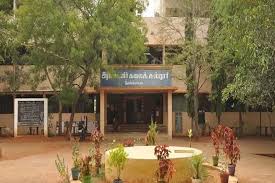
Constituency No. 130 | Dindigul District | Reserved (SC)
Nilakottai lies in the fertile stretch of the Vaigai basin in Dindigul district, a constituency where agriculture, flower cultivation and rural markets shape the local economy. Positioned between Dindigul and Madurai, the region forms an important agricultural corridor supplying vegetables, flowers and grains to markets across southern Tamil Nadu.
Though quieter than nearby urban centres, Nilakottai has developed a distinctive identity over the decades. The town and its surrounding villages are widely known for flower cultivation, especially jasmine and other varieties that supply temple markets and urban flower traders.
This agricultural character defines the constituency’s social life as well as its political priorities. Farmers, traders and agricultural labourers form the backbone of the electorate, and irrigation, crop prices and rural infrastructure frequently dominate electoral debates.
Nilakottai therefore represents the working countryside of the Dindigul region — a landscape of fields, markets and village temples.
Vaigai Basin Agriculture

The prosperity of Nilakottai is closely linked to irrigation from the Vaigai River and the network of canals and tanks connected to it. Water from the Vaigai supports paddy cultivation and vegetable farming across the constituency.
Farmers also grow crops such as banana, sugarcane, pulses and groundnut depending on seasonal rainfall and irrigation availability.
Agricultural activity remains intense throughout the year, with farmers working in fields that stretch across the plains between Dindigul and Madurai.
The Vaigai basin therefore remains the lifeline of Nilakottai’s rural economy.
Flower Cultivation & Markets

Nilakottai has developed a reputation as an important centre for flower cultivation. Jasmine, marigold and other varieties are grown extensively in the surrounding villages.
Farmers harvest flowers early in the morning before transporting them to nearby markets where traders purchase them for distribution to cities and temple towns.
The fragrance of fresh jasmine often fills the early-morning markets of the region, reflecting the importance of floriculture to the local economy.
Flowers therefore represent not just agricultural produce but also a cultural connection to temple rituals and festivals across Tamil Nadu.
Temples & Local Traditions

The constituency contains numerous temples dedicated to Amman, Murugan and Shiva across its villages. One of the well-known shrines in the region is the Kalyana Varadaraja Perumal Temple, visited by devotees from surrounding areas.
Village temples play an important role in the social life of the constituency. Annual festivals bring together residents for processions, music and community feasts.
Amman festivals, in particular, draw large gatherings and reflect the enduring spiritual traditions of the Dindigul countryside.
Religion therefore remains deeply woven into the cultural fabric of Nilakottai.
Markets & Rural Trade
Nilakottai functions as an important trading centre for agricultural produce. Farmers from nearby villages bring vegetables, flowers and grains to local markets where traders purchase them for distribution to urban centres.
The town’s markets connect rural producers with consumers in cities such as Madurai and Dindigul.
Small shops, rice mills and agricultural supply centres support the farming economy.
This network of rural trade ensures that agricultural produce moves efficiently from fields to markets.
Transport and Regional Link
Nilakottai lies along the road connecting Madurai and Dindigul, making it an important transport corridor for agricultural produce and passenger movement.
Buses and goods vehicles pass through the town carrying farm produce to markets across southern Tamil Nadu.
Improving road infrastructure and transport services remains a priority for residents seeking better connectivity to nearby cities.
Electoral Ledger:
2011
Winner — R. Thangavel (AIADMK) — 87,654 votes
Runner-up — A. Ramasamy (DMK) — 72,438 votes
Third — P. Murugan (DMDK) — 21,564 votes
Winning Margin — 15,216 votes
2016
Winner — Thangathurai R (AIADMK) — 85507 votes
Runner-up — Anbazhagan M (DMK) — 70731 votes
Third — Ramasamy K (DMDK ) — 7666 votes
Winning Margin — 14776 votes
2021
Winner — S. Thenmozhi (AIADMK) — 91461 votes
Runner-up — K.Murugavel Rajan(DMK) — 63,843 votes
Third — G.Vasanthadevi(Naam Tamilar Katchi) — 17,509 votes
Winning Margin — 5,711 votes
The constituency has witnessed competitive contests reflecting broader political shifts in the Dindigul region.
Civic & Development Concerns
Residents frequently highlight several key issues:
dependable irrigation for agriculture
stable prices for flowers and vegetables
improved rural roads and transport infrastructure
expansion of educational and healthcare facilities
Farmers often emphasise the importance of water management and agricultural support policies.
Political Temperament
The electorate of Nilakottai consists largely of farmers, agricultural labourers, traders and small business owners. Political mobilisation often occurs through village networks and farming communities.
Campaigns frequently focus on irrigation, agricultural subsidies and rural development programmes.
Local leadership and accessibility often influence voter preferences.
What Decides Nilakottai
Three factors usually shape electoral outcomes here:
Agricultural livelihood
Farmers remain the backbone of the electorate.
Flower economy
Floriculture provides income to many families.
Irrigation security
Dependable water supply is crucial for cultivation.
Nilakottai voters therefore prioritise agricultural stability and rural development.
Closing Frame
Across the plains of Nilakottai, farmers harvest flowers and vegetables while irrigation channels carry water from the Vaigai basin into the fields. Temple bells echo through the villages as markets prepare for the day’s trade.
The constituency stands as a vibrant example of rural enterprise in southern Tamil Nadu.
When Nilakottai votes, the verdict reflects the voice of a farming landscape where soil, water and tradition continue to shape political life.