

Sattur: Match Capital, Chilli Markets and the Industrial Pulse of Virudhunagar
 By Nandhini
- Tamil
- Hindi
- Malayalam
- Kannada
- Telugu
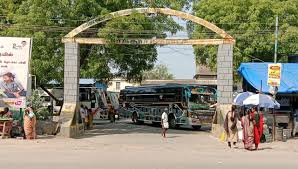
Constituency No. 204 | Virudhunagar District | General
Sattur stands in the southern industrial belt of Tamil Nadu where small-scale manufacturing, trade and agriculture intersect in a distinctive regional economy. Located on the busy highway connecting Madurai and Tirunelveli, the town has grown over decades as a centre for the match industry, agricultural trade and regional transport movement.
The constituency lies within the wider Virudhunagar–Sivakasi industrial region, one of the most well-known clusters of cottage industries in India. Here entrepreneurship has traditionally flourished through small family-run factories and workshops. Sattur’s match factories once supplied safety matches to markets across the country and played a major role in shaping the town’s working-class identity.
Yet the constituency is not defined by industry alone. The surrounding countryside remains strongly agrarian, with villages cultivating cotton, pulses, millets and chillies suited to the dry climate of southern Tamil Nadu. In this sense Sattur represents a balance between the smokestacks of small factories and the fields of its rural hinterland.
Match Industry Town

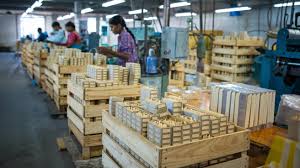
Sattur’s historical identity is closely tied to the safety match industry. For decades the town hosted numerous match manufacturing units that provided employment to thousands of workers from nearby villages.
Women formed a significant part of the workforce in these units, contributing to household incomes across the region. The industry shaped not only the economy but also the social structure of the town, creating a strong culture of labour and small-scale entrepreneurship.
Although the industry has faced challenges from mechanisation and competition, its legacy remains embedded in the town’s economic character.
Neighbourhood of Sivakasi
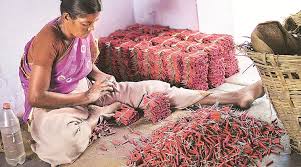
Sattur’s proximity to Sivakasi — famous for fireworks and printing industries — has also influenced the local economy. Many residents work in fireworks factories or printing units located in the neighbouring industrial town.
The combined industrial activity of Sivakasi, Virudhunagar and Sattur forms one of Tamil Nadu’s most distinctive manufacturing belts.
This regional industrial ecosystem has ensured that Sattur remains economically active despite its modest urban size.
Chilli and Cotton Countryside
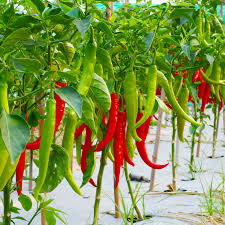
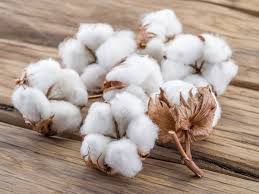
Outside the town limits, the constituency spreads into a semi-arid agricultural landscape. Farmers cultivate cotton, red chillies, pulses and millets that thrive in dry conditions.
Chilli cultivation in particular contributes to local agricultural trade. Farmers bring their produce to regional markets where traders purchase and transport it to other parts of Tamil Nadu.
Agriculture therefore remains a crucial livelihood for the rural population of the constituency.
Temples and Cultural Life
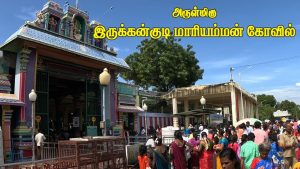
Sattur’s cultural identity is anchored in temples that continue to serve as community centres. Among the most prominent is the Sattur Mariamman Temple, which attracts large numbers of devotees during festival seasons.
Temple festivals bring together residents from across villages for processions, music and community gatherings.
These celebrations reinforce social bonds and preserve local traditions that have continued for generations.
Markets and Commercial Streets
The town of Sattur functions as a trading hub for the surrounding villages. Weekly markets draw farmers, traders and small vendors who exchange agricultural produce, livestock and household goods.
Retail shops, textile stores and transport services line the town’s commercial streets. The constant movement of goods along the highway adds further vitality to local commerce.
Thus Sattur operates as both an industrial town and a rural market centre.
Electoral Ledger
2011
Winner — G. K. Mani (PMK) — 88,923 votes
Runner-up — K. K. S. S. R. Ramachandran (DMK) — 73,112 votes
Third — R. Subramanian (DMDK) — 20,784 votes
Winning Margin — 15,811 votes
2016
Winner — Subramanian S.G (ADMK) — 71513 votes
Runner-up — Srinivasan V. (DMK) — 67086 votes
Third — Raguraman A R (MDMK ) — 25442 votes
Winning Margin — 4427 votes
2021
Winner — Raghuraman ARR (DMK) — 74174 votes
Runner-up — Ravichandran RK (AIADMK) — 62995 votes
Third — Rajavarman MSR (AMMK) — 32916 votes
Winning Margin — 11179 votes
The results illustrate the intense political competition typical of Virudhunagar district.
Civic and Development Concerns
Residents often highlight several development priorities:
• safety and regulation in small-scale industries
• employment opportunities for youth
• irrigation improvements for agriculture
• road infrastructure and transport facilities
Industrial safety and worker welfare remain particularly important in a region historically associated with match and fireworks production.
Political Temperament
Sattur’s electorate consists of factory workers, traders, farmers and transport operators. Political debates frequently revolve around employment, industrial regulation and agricultural welfare.
Party organisation and local leadership networks play a significant role in shaping electoral outcomes.
Closing Frame
In Sattur, the legacy of match factories still echoes through the town’s industrial streets while farmers cultivate chilli and cotton fields in the surrounding countryside. Markets bustle with trade and temples anchor the cultural life of the region.
The constituency reflects the industrious spirit of Virudhunagar district.
When Sattur votes, it speaks for a region where small industry, rural agriculture and hard work continue to define the character of southern Tamil Nadu.