

Sholavandan: Vaigai’s Green Belt, Temple Country and a Political Footnote of Dr. Subramanian Swamy
 By Nandhini
- Tamil
- Hindi
- Malayalam
- Kannada
- Telugu
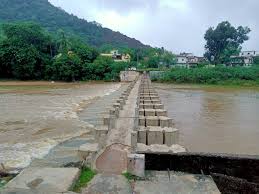
Constituency No. 190 | Madurai District | Scheduled Caste (Reserved)
Sholavandan lies in the fertile Vaigai basin northwest of Madurai, a region where river irrigation, agriculture and temple culture have shaped settlement patterns for centuries. Positioned along the Madurai–Dindigul road corridor, the town serves as a gateway between the agrarian countryside and the expanding urban influence of Madurai city.
The Vaigai River flows not far from the constituency, feeding irrigation channels and tanks that sustain paddy cultivation across the plains. These fertile lands have historically produced rice, banana and sugarcane, making the area one of the productive agricultural belts of the district.
Sholavandan therefore represents a constituency where farming communities dominate the social landscape while the proximity to Madurai connects the region to urban commerce and political activity.
Vaigai Irrigation Plains
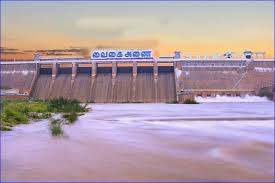
Agriculture forms the backbone of life in Sholavandan. The irrigation network derived from the Vaigai River allows farmers to cultivate paddy across large tracts of land. Banana groves and vegetable fields are also common in the region.
Traditional irrigation tanks continue to support farming during dry seasons, and the productivity of the land has made agriculture the central economic activity for most villages.
Farmers and agricultural labourers therefore form the largest segment of the electorate.
Temple Country
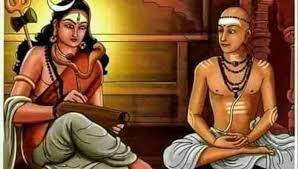
Religion and temple traditions remain deeply embedded in the cultural identity of the constituency. Village temples dedicated to Amman, Murugan and local guardian deities serve as community centres for surrounding settlements.
Nearby Thiruvathavur, associated with the Saivite saint Manikkavasagar, forms part of the broader spiritual geography of the region. Devotees visit temples across the Vaigai belt during festival seasons.
Temple festivals bring together villages through processions, music and communal gatherings, reinforcing long-standing cultural ties.
Rural Markets and Trade
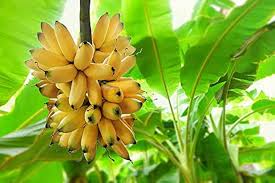
Sholavandan town functions as a trading hub where farmers bring produce from surrounding villages. Paddy, vegetables and banana from the fertile Vaigai plains are transported through local markets and sent onward to Madurai’s wholesale markets.
The town’s shops, transport services and small businesses serve the agricultural economy that sustains the constituency.
Dr. Subramanian Swamy Connection
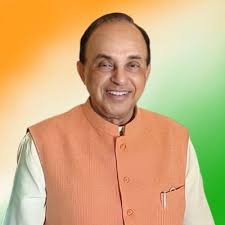
Sholavandan occupies a small but interesting place in Tamil Nadu’s political history through the association of Dr. Subramanian Swamy, who contested from the constituency during an earlier phase of his political career.
The contest briefly brought national political attention to a constituency otherwise known primarily for its agriculture and temple culture.
Though the episode was short-lived, it remains a notable footnote in the political memory of the region.
Cultural Life and Festivals
Village festivals remain important cultural events in the constituency. Amman temple celebrations in particular draw large crowds, with rituals, folk music and community feasts continuing traditions passed down for generations.
These festivals strengthen the social fabric of villages and preserve the cultural identity of the Vaigai plains.
Electoral Ledger
2011
Winner — M. Karuppiah (AIADMK) — 87,654 votes
Runner-up — P. Moorthy (DMK) — 68,732 votes
Third — R. Ramar (DMDK) — 19,874 votes
Winning Margin — 18,922 votes
2016
Winner — Manickam K (ADMK) — 87044 votes
Runner-up — Bhavani C (DMK) — 62187 votes
Third — Pandiyammal R (VCK) — 7357 votes
Winning Margin — 24857 votes
2021
Winner — Venkatesan A (DMK) — 84240 votes
Runner-up — Manickam K (AIADMK) — 67195 votes
Third — Sengannan G (Naam Tamilar Katchi) — 13936 votes
Winning Margin — 17045 votes
The constituency has witnessed close contests between the two major Dravidian parties, reflecting the competitive political atmosphere of the Madurai region.
Civic and Development Concerns
Residents of Sholavandan frequently highlight several priorities:
• strengthening irrigation infrastructure
• improving rural road connectivity
• expanding healthcare and educational facilities
• employment opportunities for rural youth
Agricultural sustainability and water management remain key concerns.
Political Temperament
The electorate largely consists of farmers, agricultural labourers and small traders. Political campaigns often revolve around irrigation, welfare schemes and infrastructure improvements.
Candidates who maintain strong connections with village communities tend to gain electoral support.
Closing Frame
In Sholavandan the Vaigai River nourishes fields that have sustained generations of farmers. Temple bells echo across villages while agricultural markets connect the countryside with Madurai city.
The constituency reflects the enduring vitality of the Vaigai plains.
When Sholavandan votes, it speaks for a region where agriculture, tradition and quiet political awareness continue to shape the life of southern Tamil Nadu.