

Sivaganga: Royal Memory, Marudhu Brothers’ Legacy and a Politically Watched Heartland
 By Nandhini
- Tamil
- Hindi
- Malayalam
- Kannada
- Telugu

Constituency No. 186 | Sivaganga District | General
Sivaganga is one of the historically resonant constituencies of southern Tamil Nadu where royal heritage, freedom struggle and contemporary politics intersect. Located in the dry plains of the Ramanathapuram–Madurai belt, the constituency derives its name and identity from the historic Sivaganga kingdom whose rulers once governed this region.
The town itself developed around palace grounds, temple tanks and administrative quarters that served as the seat of the Sivaganga rulers. Even today the layout of the town retains traces of that royal past. Remains of the palace complex and the historic temple structures provide a visible reminder of the region’s political and cultural importance in earlier centuries.
Beyond the town limits, the constituency spreads across rural settlements where agriculture continues to sustain the local economy. Fields of groundnut, pulses and millets stretch across the dry plains, while irrigation tanks store precious rainwater that supports cultivation.
Thus Sivaganga represents a constituency where historical memory, rural livelihood and political awareness combine to shape its character.
Marudhu Brothers and Freedom Memory
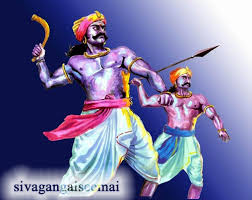
Few places in Tamil Nadu evoke the early spirit of resistance against colonial rule as strongly as Sivaganga. The Marudhu Pandiyar brothers, legendary rulers and warriors of the Sivaganga kingdom, organised armed resistance against British expansion in the late eighteenth century.
Their courage and sacrifice remain deeply etched in the historical consciousness of the region. Statues, memorials and public commemorations across the district honour their role in the early struggle for freedom.
This legacy of resistance continues to inspire pride among the people of Sivaganga.
Palace Town and Temple Streets
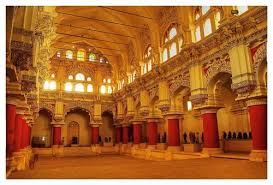
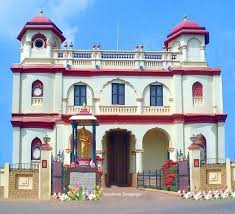
The historic Sivaganga Palace remains one of the central landmarks of the constituency. Though altered by time, the structure still evokes the royal authority that once governed the region.
The town is also home to several temples dedicated to Shiva, Amman and other deities that form part of the spiritual life of local communities. Temple festivals draw large gatherings from surrounding villages and reinforce the cultural rhythm of the region.
Such temples continue to serve as centres of social life and tradition.
Agriculture of the Dry Plains
The countryside surrounding Sivaganga is characterised by semi-arid agricultural land where farmers cultivate crops suited to the climate. Groundnut, cotton, pulses and millets dominate cultivation across the district.
Traditional irrigation tanks remain essential to agriculture, storing rainwater and sustaining cultivation during dry months.
For many families in the constituency, farming remains the principal livelihood.
Political Personalities and VIP Influence
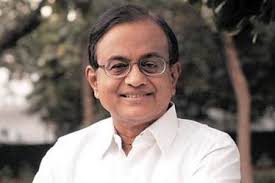
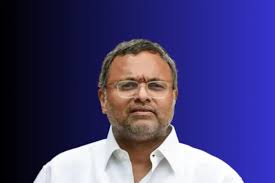
Sivaganga district has produced several influential figures who have shaped both state and national politics. Among the most prominent is P. Chidambaram, a senior national political leader who represented the Sivaganga parliamentary constituency and served in key positions in the Union government.
The district’s political profile has also been shaped by Karti Chidambaram, who has continued the family’s political presence in national politics through parliamentary representation.
Over the decades the region has therefore remained politically prominent, often drawing attention during elections because of the influence of such leaders.
Within the assembly constituency itself, campaigns frequently reflect this larger political visibility.
Markets and Local Economy
Sivaganga town functions as a trading centre for the surrounding rural areas. Farmers bring agricultural produce to local markets where traders purchase and distribute goods across neighbouring districts.
Shops, transport services and small businesses contribute to the town’s economic vitality. This market activity helps connect the agricultural countryside with urban commercial networks.
Electoral Ledger
2011
Winner – G. Gunasekaran (AIADMK) – 93,517 votes
Second – S. Durairaj (DMK) – 85,167 votes
Third – K. Balasubramanian (DMDK) – 18,326 votes
Winning Margin: 8,350 votes
2016
Winner – Baskaran G (AIADMK) – 81697 votes
Second – Sathianathan. M @Meppal M.Sakthi (DMK) – 75061 votes
Third – Gunasekaran S (CPI) – 15114 votes
Winning Margin: 6636 votes
2021
Winner – P. R. Senthilnathan (AIADMK) – 82153 votes
Second – S. Gunasekaran (CPI) – 70900 votes
Third – Malliga R (Naam Tamilar Katchi) – 22500 votes
Winning Margin: 11253 votes
The margins in the constituency have often been relatively narrow, reflecting competitive contests between major Dravidian parties.
Civic and Development Concerns
Residents frequently raise several priorities:
• irrigation and water management
• road connectivity linking rural villages
• employment opportunities for youth
• preservation of historical landmarks
Balancing development with heritage conservation remains an ongoing challenge.
Political Temperament
Sivaganga’s electorate includes farmers, traders and government employees. Political discussions often revolve around rural welfare, agricultural support and infrastructure development.
The constituency’s historical legacy also shapes voter sentiment, reinforcing a strong sense of regional identity.
Closing Frame
Sivaganga stands at the crossroads of history and modern politics. The memory of the Marudhu brothers echoes through the region while temple bells ring across towns that once served as royal centres.
Farmers cultivate the dry plains while markets sustain local commerce and political debates remain lively.
When Sivaganga votes, it speaks with the voice of a constituency where heritage, political awareness and rural resilience continue to define public life.