

Sulur: Industrial Corridor of Coimbatore’s Eastern Plain
 By Nandhini
- Tamil
- Hindi
- Malayalam
- Kannada
- Telugu
Constituency No. 116 | Coimbatore District | General
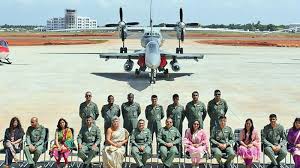
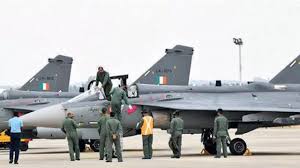
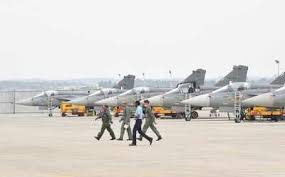
Sulur lies on the eastern flank of Coimbatore city and represents a constituency where rural traditions, textile-linked industry and expanding urban influence intersect. Situated along important road corridors connecting Coimbatore, Tiruppur and Palladam, Sulur has steadily evolved from an agrarian region into a mixed economy shaped by manufacturing, commerce and services. The constituency is also known for the Sulur Air Force Station, one of the major defence establishments in southern India, which lends the area a strategic and administrative significance.
Historically, Sulur was a cluster of agricultural villages sustained by irrigation tanks and seasonal rainfall. Cotton cultivation, coconut groves and food crops formed the backbone of the local economy. Over the decades, however, the growth of the textile and engineering sectors in nearby Coimbatore and Tiruppur altered the region’s economic direction. Today Sulur reflects the wider industrial dynamism of western Tamil Nadu while still retaining its rural social fabric.
Geography and Settlement Pattern
The constituency spreads across a landscape of villages, small towns and industrial clusters east of Coimbatore.
Settlements such as Sulur town, Kalangal, Kannampalayam, Kallapalayam and neighbouring panchayats form the core of the constituency’s population centres. The terrain is largely flat, dotted with irrigation tanks and agricultural fields, while highways and feeder roads link the area to the textile centres of Tiruppur and the industrial base of Coimbatore.
The presence of the Sulur Air Force Station has influenced the region’s development pattern. Military personnel and support services contribute to the local economy, while improved road infrastructure has gradually transformed Sulur into a busy suburban hub.
Agriculture and Rural Economy
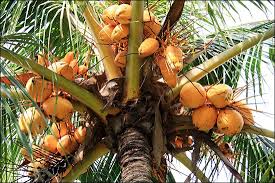
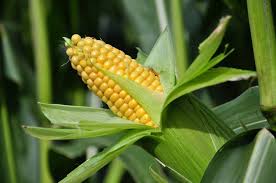
Despite industrial growth, agriculture remains an important part of life in Sulur’s villages. Farmers cultivate coconut, maize, cotton and vegetables, while dairy farming provides supplementary income for many households. Irrigation tanks and groundwater sources support these activities, though changing rainfall patterns have increased dependence on borewells.
Weekly markets in Sulur town serve as trading points for agricultural produce and livestock. Farmers from surrounding villages gather here to sell vegetables, grains and dairy products, sustaining a traditional rural market culture.
Industrial and Textile Influence
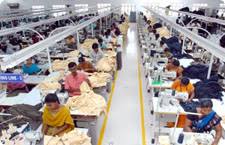
Sulur benefits directly from its proximity to the textile powerhouse of Tiruppur and the industrial ecosystem of Coimbatore. Small-scale manufacturing units, garment-related workshops, engineering firms and logistics operations have emerged in parts of the constituency. Many residents commute daily to nearby industrial estates or textile factories.
Transport companies, workshops and service businesses also flourish because of Sulur’s location along regional road networks. This blend of agriculture and industry gives the constituency a diversified economy compared with purely rural areas.
Temples and Cultural Life
Temple traditions remain central to community life in Sulur. Shrines dedicated to Amman, Shiva, Murugan and village guardian deities are scattered across the constituency. Annual temple festivals feature processions, cultural performances and communal meals that bring together residents from multiple villages.
These celebrations reflect the cultural continuity of western Tamil Nadu’s rural society even as economic life becomes more industrialised.
Education and Social Development
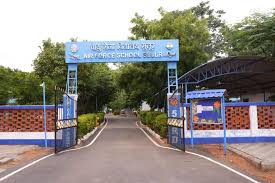
Educational institutions in and around Sulur serve students from surrounding villages. Schools and colleges in the wider Coimbatore region attract youth seeking higher education and technical training. As employment opportunities expand in nearby industries, education has become a key pathway for social mobility.
The presence of the Air Force station also contributes to better infrastructure and services in the locality.
Civic and Development Concerns
Residents of Sulur frequently raise issues related to road maintenance, water supply and drainage in growing residential areas. As industrial units expand, balancing development with environmental protection has become increasingly important.
Traffic congestion along major junctions linking Coimbatore and Tiruppur also affects daily commuters. Infrastructure upgrades and public transport improvements therefore remain high on the local agenda.
Electoral Ledger
2011
Winner – K. N. Karunakaran (AIADMK) – 88,456 votes
Second – M. Natarajan (DMK) – 70,312 votes
Third – R. Mohanraj (DMDK) – 24,875 votes
Winning Margin – 18,144 votes
2016
Winner – R. Kanagaraj (AIADMK) – 1,00,977 votes
Second – Manoharan V M C (INC) – 64346 votes
Third – Mandharasalam S.D (BJP) – 13517 votes
Winning Margin – 36631 votes
2021
Winner – V. P. Kandasamy (AIADMK) – 118968 votes
Second – Premier Selvam (a)Kalichamy M (DMK) – 87036votes
Third – Elangovan G ( Naam Tamilar Katchi) – 14426 votes
Winning Margin – 31932 votes
What Decides Sulur
Electoral outcomes in Sulur often hinge on a combination of rural and industrial concerns:
Agricultural interests: Farmers remain sensitive to irrigation, electricity supply and crop prices.
Industrial employment: Textile and engineering sectors influence local economic sentiment.
Infrastructure: Road connectivity and transport facilities are crucial for commuting workers.
Urban expansion: Residential growth around Coimbatore raises demands for better civic services.
Local leadership: Personal accessibility and constituency service often play an important role in voter preference.
Closing Frame
Sulur represents the transformation of western Tamil Nadu from a purely agrarian landscape into a vibrant industrial corridor. With agriculture still alive in its villages and industry expanding along its highways, the constituency mirrors the economic energy of the Coimbatore–Tiruppur region. When Sulur votes, it reflects the aspirations of farmers, factory workers and entrepreneurs who together define the character of this dynamic belt.