

Thoothukkudi: VOC’s Harbour City, Pearl Coast Legacy and the Politics of a Restless Port
 By Nandhini
- Tamil
- Hindi
- Malayalam
- Kannada
- Telugu
Constituency No. 214 | Thoothukkudi District | General
Thoothukkudi stands among the most historically and economically significant constituencies in Tamil Nadu. It is a port city seat, a maritime trading centre, a fishing coast, and a place where the state’s political currents often collide with industry, environment and labour. Few constituencies carry such a layered identity — part harbour town, part coastal settlement, part commercial city and part political flashpoint.
Often called the “Pearl City”, Thoothukkudi’s association with the sea stretches back centuries. The waters off the coast were once known for pearl fisheries that brought traders and merchants from distant shores. That maritime tradition eventually evolved into a modern port economy, making the city one of southern India’s most important coastal trading points.
But Thoothukkudi’s identity cannot be understood merely through commerce. It is also the city of V. O. Chidambaranar (VOC), the legendary freedom fighter whose attempt to run an indigenous shipping company against colonial monopoly became a symbol of nationalist resistance. Even today the harbour carries his name, and his legacy forms a powerful part of the city’s civic memory.
Thoothukkudi is therefore not merely a port. It is a place where history, trade, protest and livelihood meet at the edge of the sea.
VOC and the Spirit of Maritime Self-Respect
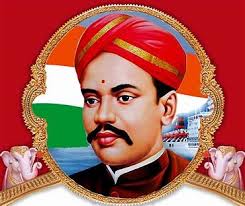
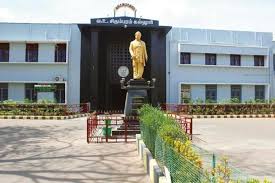
The most powerful historical association of Thoothukkudi is with V. O. Chidambaranar, remembered across Tamil Nadu as Kappalottiya Tamizhan. In the early twentieth century he launched a Swadeshi shipping company to challenge colonial shipping interests operating from this very harbour.
His effort electrified nationalist politics in the region and turned Thoothukkudi into a symbol of economic self-assertion.
That episode left a lasting imprint on the city’s political culture. Thoothukkudi still carries a reputation as a place where economic independence, labour dignity and public protest hold strong emotional resonance.
Port, Harbour and Maritime Economy

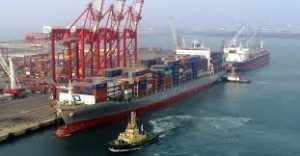
The V. O. Chidambaranar Port dominates the economic life of the constituency. Cargo ships arrive carrying coal, containers, industrial materials and export goods. Harbour operations support thousands of workers — dock labourers, transport operators, shipping agents, traders and port-related service industries.
The presence of the port has shaped the city’s economy in multiple ways. Warehouses, transport companies, logistics firms and marine service providers cluster around the harbour area. The port also connects the district’s industries and agricultural produce to global markets.
Few assembly constituencies in Tamil Nadu are tied so closely to maritime commerce.
Airport, Rail and Road Connectivity

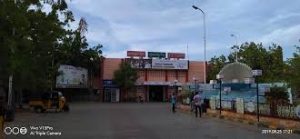
Thoothukkudi is unusually well connected for a coastal city. The Tuticorin Airport at Vagaikulam links the district with major cities, while the railway network connects the port to Madurai, Tirunelveli and the wider national rail system.
National and state highways further strengthen the city’s access to inland districts. Trucks carrying cargo, salt, fish and industrial materials constantly move through the region, reinforcing the city’s role as a commercial gateway of southern Tamil Nadu.
Pearls, Shells and Fishing Traditions

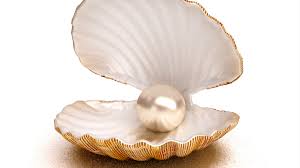

The coastline around Thoothukkudi has long been associated with pearls, chanks and marine shells. Though large-scale pearl fishing is no longer what it once was, the memory of the pearl banks still forms part of the city’s historical identity.
Fishing remains a major livelihood for coastal communities. Harbours, landing centres and coastal villages support thousands of fishermen whose daily work depends on the sea. Markets across the city handle fresh seafood that travels quickly to neighbouring districts.
Fishing, salt production and marine trade together define the economic character of the coastline.
Salt Pans and Coastal Industry

The dry coastal climate of Thoothukkudi also supports extensive salt production, with salt pans stretching across parts of the district. Salt workers harvest crystals from evaporation fields, supplying markets across the state.
Alongside this traditional industry, the district hosts modern industrial establishments linked to power, chemicals and port logistics. These industries contribute to employment but have also triggered debates about environmental impact and public health.
Churches, Temples and Coastal Culture
Thoothukkudi’s social fabric reflects the long interaction between maritime trade and coastal communities. Churches serving fishing populations stand alongside temples dedicated to Shiva, Amman and Murugan.
Religious festivals in the city often blend devotional observance with local cultural traditions shaped by the sea.
Food culture reflects this coastal identity as well. Seafood cuisine — fish curries, fried catch from the morning’s haul and coastal-style meals — is a defining feature of the city’s culinary life.
Sterlite Protests and Political Memory
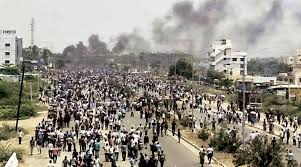
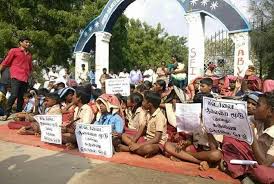

Modern political discussions about Thoothukkudi are inevitably shaped by the Sterlite copper smelter controversy. Environmental concerns and public protests against the industrial unit culminated in a dramatic confrontation in 2018 when police firing during demonstrations resulted in the deaths of protestors.
The incident left a deep mark on the city’s political consciousness. The closure of the plant and the continuing debate over industry, environment and employment remain subjects of intense public interest. For many residents, the episode symbolised the difficult balance between industrial growth and environmental protection.
Even years later, the memory of those protests still influences political conversations in the constituency.
Education, Commerce and City Life
Beyond the port and coastline, Thoothukkudi functions as an important educational and commercial centre. Schools, colleges, training institutes and markets serve both the city and surrounding rural areas. Traders, fishermen, transport operators, students and government employees form the social base of the urban electorate.
Markets selling seafood, groceries, textiles and industrial supplies bustle through the day, reflecting the city’s energetic commercial life.
Electoral Ledger
2011
Winner — N. Chinnadurai (AIADMK) — 89,556 votes
Runner-up — N. Periasamy (DMK) — 74,318 votes
Third — A. Rajan (DMDK) — 18,221 votes
Winning Margin — 15,238 votes
2016
Winner — N. Geetha Jeevan (DMK) — 88045 votes
Runner-up — S. T. Chellapandian (AIADMK) — 67137 votes
Third — Fatima (MDMK) — 17798 votes
Winning Margin — 46041 votes
2021
Winner — P. Geetha Jeevan (DMK) — 92314 votes
Runner-up — Vijaya Seelan SDR (AIADMK) — 42004 votes
Third — V.Velraj (Naam Tamilar Katchi) — 30937 votes
Winning Margin — 50310 votes
What Decides the Seat
In Thoothukkudi, several forces shape electoral outcomes:
• port and maritime employment
• fishing welfare and coastal livelihoods
• environmental concerns linked to industry
• urban civic infrastructure and water supply
• education and job opportunities for youth
The constituency often reflects the tensions between industrial development and environmental protection.
Closing Frame
Thoothukkudi is a city where the sea never disappears from public life. Ships arrive at the harbour, fishermen launch boats at dawn, salt workers labour under the sun and traders negotiate in market streets. The legacy of VOC echoes in the harbour while the memory of recent protests lingers in political conversation.
Few constituencies carry such a powerful mixture of history, commerce, protest and maritime identity.
When Thoothukkudi votes, it speaks as the voice of Tamil Nadu’s southern coast — a port city whose tides have always carried both trade and political change.