


 By Pugazh Murugan
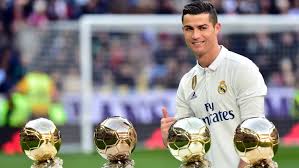
Cristiano Ronaldo’s recent comments at the 2024 Globe Soccer Awards, where he openly criticised Rodri’s Ballon d’Or victory and championed Vinícius Júnior as the rightful winner, have left me pondering the role of personal bias in football’s most prestigious awards. While Ronaldo’s status as a football legend is unquestionable, his remarks have sparked a debate that, in my view, distracts from Rodri’s monumental achievements this year.
The Case for Rodri: A Midfield Maestro
Let’s be clear: Rodri’s 2024 season was nothing short of historic. As the lynchpin of Manchester City’s midfield, he orchestrated their march to a treble-winning the Premier League, FA Cup, and their long-awaited UEFA Champions League title. His heroics didn’t stop at club level; Rodri was equally pivotal for Spain, leading them to victory in the UEFA EURO 2024.
Despite these unparalleled accomplishments, Ronaldo’s remarks downplay Rodri’s contributions to modern football’s most extraordinary team. This is not just unfair—it’s emblematic of a troubling trend where personal allegiances overshadow objective evaluations.
Ronaldo’s Comments: Loyalty or Myopia?
Ronaldo’s assertion that “Vinícius should have won the Ballon d’Or” raises questions about his motives. Is it genuine belief, or does it stem from an unshakable loyalty to Real Madrid, a club that shaped his legacy? His consistent praise for Madrid’s stars, including Vinícius and Jude Bellingham, combined with his disparaging remarks about the Ballon d’Or, seems to suggest the latter.
The irony here is glaring: at the very event where Ronaldo lauded the Globe Soccer Awards for their “honest recognition,” Real Madrid swept the winner’s list. While their achievements are undoubtedly commendable, Ronaldo’s sweeping endorsement appears less like an impartial celebration of talent and more like a calculated move to discredit the Ballon d’Or, fueling a narrative driven by personal bias and unresolved grievances.
A History of Controversy
This is not the first time Ronaldo has found himself in the center of an award-related storm. In 2013, the Ballon d’Or voting deadline was controversially extended, leading to his win over Franck Ribéry. That incident left a sour taste in the mouths of many, with Ribéry later calling it a “political choice.”
More recently, Ronaldo faced criticism in the Saudi Pro League after making an obscene gesture towards Al-Ittihad fans, earning a fine and suspension. These incidents paint a picture of a player unwilling to let go of the spotlight, even when the moment should belong to others.
Rodri Deserves Better
As someone who has followed Rodri’s meteoric rise, I find it deeply frustrating that his achievements are being overshadowed by this controversy. Rodri is not just a player; he’s a generational talent who redefines what it means to control a game from midfield. His decisive goal in the UEFA Nations League final and his unflinching consistency throughout the season make him a more-than-worthy Ballon d’Or winner.
Footballing greats like Gary Lineker have rightly defended Rodri, with Lineker tweeting, “Rodri has been the backbone of one of the greatest club sides in modern football. Give credit where it’s due.” And I couldn’t agree more.
The Bigger Picture
Ronaldo’s comments, while controversial, open a broader discussion about the integrity of football awards. Are they truly reflective of merit, or are they increasingly influenced by politics, personal loyalties, and historical legacies? For the sake of the game, it’s time we celebrate genuine talent without bias.
Rodri’s Ballon d’Or win is a testament to hard work, consistency, and the ability to rise in football’s most defining moments. It’s a victory for the midfield maestros who often go unnoticed in the shadow of flashier forwards. As a journalist and sports enthusiast, I believe that acknowledging Rodri’s brilliance is not just important—it’s necessary.
In the end, football is about unity, fairness, and respect for the game. Let’s not let personal agendas and rivalries tarnish the spirit of the sport.