


New York, Sept 12:
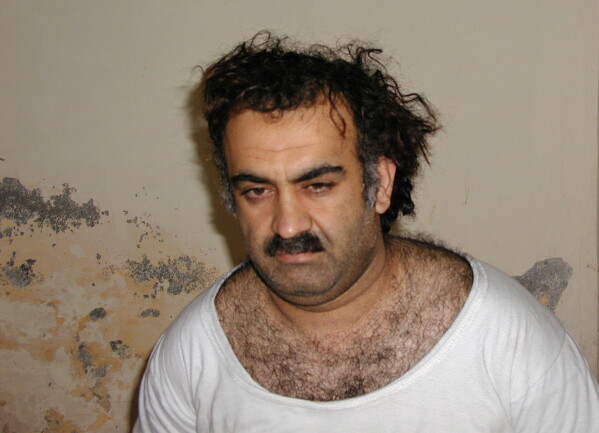
Twenty-five years after the September 11, 2001, terrorist attacks, the trial of Khalid Sheikh Mohammed, the man accused of masterminding the attacks, remains uncertain despite a military judge setting a date for proceedings in 2028.
Mohammed has been held at the US military detention facility at Guantanamo Bay for two decades. He was captured in Pakistan in 2003 and transferred to Guantanamo in September 2006 after spending more than three years in secret detention facilities.
A US military judge has set June 5, 2028, as the trial date for Mohammed and three other defendants accused in connection with the September 11 attacks. However, lawyers involved in the case remain doubtful that the trial will actually take place on that date.
The biggest obstacle is the treatment Mohammed received while in US custody. A US Senate investigation documented extensive use of torture against him, including repeated waterboarding sessions.
In late August, the military judge ruled that prosecutors could not use an alleged confession Mohammed gave to the FBI in 2007. The judge found that the statements were tainted because Mohammed had previously been subjected to “enhanced interrogation techniques”, including waterboarding.
The US government decided not to appeal the ruling, partly because an appeal could have caused further delays in a case that has already taken years to move towards trial.
The legal problems have been complicated by questions over whether evidence obtained after torture can be used in court and how the military commission system should handle such evidence.
A proposed plea agreement announced in 2024 could have resulted in Mohammed serving life in prison instead of facing the death penalty. The agreement later began to unravel and was ultimately abandoned.
Mohammed and the other defendants have therefore remained in the military commission system, where repeated legal challenges have prevented the case from reaching a final trial.
There was an earlier attempt to bring Mohammed before a civilian court in New York. In 2009, the Obama administration announced plans to prosecute him and four other defendants in Manhattan, close to the site of the World Trade Centre attacks.
The proposal faced strong opposition, with critics raising concerns over security, cost and the possibility that Mohammed could use the trial to promote extremist views. The plan was eventually abandoned.
Lawyers involved in the case remain sharply divided over whether a military trial can ultimately be completed. Some believe the legal complications created by years of detention and alleged torture have made the proceedings almost impossible to resolve.
Families of the nearly 3,000 people killed in the September 11 attacks continue to seek a conclusion to the case.
Terry Strada, whose husband died at the World Trade Centre, said families still wanted justice even 25 years after the attacks.
Mohammed is accused of developing and directing the September 11 plot as a senior figure in al-Qaida. The attacks killed nearly 3,000 people in New York, Washington and Pennsylvania and fundamentally altered US foreign policy and security measures.
With the next trial date still nearly two years away and major evidentiary issues unresolved, the long-delayed case remains one of the most complicated terrorism prosecutions in US history.