


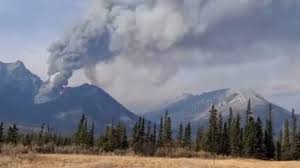
 Alberta, July 24: Out-of-control wildfires near Jasper National Park in Alberta have triggered a mass evacuation of over 25,000 people from one of Canada’s largest and most scenic national parks. The urgent evacuation order was issued late Monday night as thick smoke and multiple blazes threatened the Rocky Mountain community.
The Alberta government has mandated that all residents, seasonal workers, and visitors leave the park immediately. Jasper National Park, spanning more than 4,200 square miles (10,900 square kilometers), was home to 5,000 permanent residents, an additional 5,000 seasonal workers, and approximately 15,000 visitors at the time of the evacuation.
Alberta Wildfire reports that the nearest blaze is about seven miles south of Jasper. Evacuees have faced significant challenges, including congested highways and lack of clear communication, as they tried to leave the area.
Jack Kearney, an American videographer, described the situation on social media: “Crawling out of town. It’s been smoky all day; ash started appearing around 9 PM. In retrospect, we should have left then. In a lodge full of tourists, we didn’t get a heads-up from staff. Most of us weren’t sure what to do. Language barriers and unfamiliarity with protocols added to the confusion.”
Authorities are working to ensure that evacuees have enough fuel and clear routes, but smoke and fire have severely restricted escape options, pushing many towards neighboring British Columbia.
British Columbia’s emergency management minister, Bowinn Ma, assured that the province is coordinating efforts to accommodate evacuees and provide safe refuge. “B.C. will do everything we can to provide safe refuge for evacuees from Jasper and are working as quickly as possible to arrange host communities on our side of the border,” Ma said.
By early morning, the small town of Valemount, west of Jasper, was overwhelmed by the influx of evacuees. Valemount’s limited services have been strained, with local officials advising those on the road to drive carefully and rest as needed.
The wildfire crisis is compounded by a severe heatwave affecting Alberta and British Columbia. While cooler temperatures might offer some relief, dry conditions are expected to persist, posing ongoing challenges for firefighting efforts.
Currently, Alberta is battling 170 active fires, while British Columbia is dealing with 316. The proximity of the fires to populated areas has escalated the urgency of containment efforts as crews work to control the blazes and safeguard the communities in their path.