


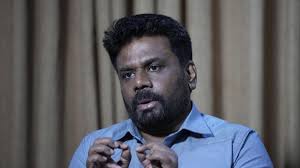
 Colombo, Sept 4: Anura Kumara Dissanayake, leader of the National People’s Power (NPP) and a frontrunner in Sri Lanka’s upcoming presidential election, has outlined his vision for the country, emphasizing the urgent need to revive the economy and eradicate racism. As one of the leading candidates in the September 21 election, Dissanayake has gained significant traction, particularly among the youth, as he promises sweeping changes to the nation’s political and economic landscape.
Amid a bustling campaign at the Janatha Vimukthi Peramuna (JVP) headquarters, Dissanayake, 55, expressed confidence in Sri Lanka’s readiness for what he describes as a “renaissance project.” He believes that the country is moving away from its traditional political system, with citizens increasingly demanding change. His optimism is supported by recent domestic polls that place him ahead of other candidates in the race.Dissanayake, who has served as a Member of Parliament representing Colombo, faces stiff competition from incumbent President Ranil Wickremesinghe and Opposition Leader Sajith Premadasa. Despite the challenges, Dissanayake is determined, drawing on his party’s steady efforts since its disappointing performance in the 2019 election, where he finished third with just 3.16% of the vote. To secure the presidency this time, his vote share needs to exceed 50%.
A Call for Transformation
The NPP has been steadily building momentum, particularly since the 2022 mass uprising that led to the resignation of President Gotabaya Rajapaksa amid a severe economic crisis. The public’s demand for a “system change” has propelled Dissanayake to prominence, with many voters, especially the youth, viewing him as the embodiment of the change they seek.
Dissanayake is acutely aware of the high expectations placed upon him. He outlined a three-pronged approach for his first five years in office, should he be elected: reviving the economy to benefit all citizens, eliminating racism and religious intolerance, and setting a course for social justice. He views these objectives as key to the success of his presidency.
In addition to pledging to fight corruption, the NPP has announced plans to renegotiate Sri Lanka’s current program with the International Monetary Fund (IMF), a stance shared by Premadasa’s main opposition alliance. Both parties acknowledge the difficult task ahead, as they face an electorate burdened by austerity measures and high living costs imposed by the Wickremesinghe government. The winner will inherit a nation grappling with bleak economic prospects.
Challenges and Criticisms
Despite Dissanayake’s rising popularity, critics have raised concerns about the NPP’s Marxist-Leninist roots, particularly in light of the JVP’s history of armed insurrections in the 1970s and 1980s. Critics fear that an NPP-led government might roll back the role of the private sector in favor of increased welfare spending, potentially widening the budget deficit. However, Dissanayake has sought to allay these fears, emphasizing that the NPP’s manifesto does not include radical anti-capitalist policies. He pointed out that his party’s welfare proposals would cost the state less than those of other parties, and he aims to increase government revenue by making the tax collection system more efficient, without imposing new taxes.
The NPP’s economic vision focuses on boosting domestic production to drive growth and increase state revenue. Dissanayake is confident that his party’s commitment to democratic politics over the past 35 years will reassure voters and dispel fears about the NPP’s past.
Partnership with India
On foreign investment, Dissanayake stressed the importance of working with India, particularly in the energy sector. He highlighted Sri Lanka’s potential for producing renewable energy, especially wind power, and welcomed Indian collaboration in building the necessary infrastructure. However, he insisted that all foreign investments should follow a transparent and fair tender process, referencing the controversy surrounding Adani Green’s wind power project in Sri Lanka’s Northern Province.
Governance Challenges
Dissanayake has also promised to abolish the Executive Presidency, which has long been criticized for concentrating too much power in one individual. He acknowledged that this could face delays due to the need for legislative changes and support from other political parties.
With the NPP currently holding only three seats in the 225-member parliament, questions have arisen about how Dissanayake would form a Cabinet if he wins the presidency. He outlined several options, including forming a four-member Cabinet, holding all portfolios himself, or creating a caretaker government with support from other parties.
Addressing Tamil Issues
While Dissanayake’s popularity is growing in many parts of Sri Lanka, he has yet to make significant inroads in the Tamil-majority north. He emphasized that an NPP government would address longstanding issues related to war-time accountability, truth, and justice, and work towards a credible domestic mechanism for these processes. He also pledged to continue efforts towards drafting a new constitution, building on past initiatives that were supported by the Tamil National Alliance.
Dissanayake’s vision for Sri Lanka is ambitious, aiming to transform the country’s political and economic landscape while addressing deep-rooted social issues. As the election approaches, his message of change resonates with many voters, especially the youth, who are eager for a new direction for the nation.