

Anthiyur: Border Winds, Bhadra Kali and the Bhavani Belt

- Tamil
- Hindi
- Malayalam
- Kannada
- Telugu
Constituency No. 105 | Erode District | General (Unreserved)
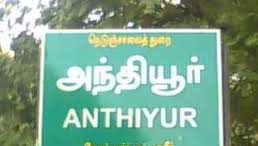
Anthiyur lies in the north-western arc of Erode district, where the plains begin to rise toward the Sathyamangalam ranges and the air carries both agrarian dust and forest wind. It is a constituency shaped by canal water, cattle fairs, Amman festivals and the disciplined electoral habits of the Kongu region.
If Gobichettipalayam speaks through turmeric and Erode through trade, Anthiyur speaks through field and frontier.
Bhavani Flow and Canal Arithmetic
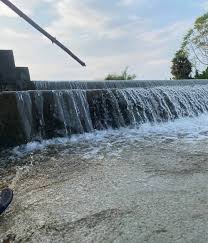
Anthiyur falls within the influence of the Bhavani river system and the Lower Bhavani Project irrigation network. Canal releases, tank restoration and pump-set electricity supply are not abstract policy issues here; they are determinants of crop confidence.
Paddy, turmeric, banana and sugarcane cultivation dominate. Seasonal vegetable markets supplement incomes. Small and medium farmers form the constituency’s backbone, and their mood shifts with rainfall charts and procurement prices.
When canal water flows steadily, political tempers cool. When it falters, dissatisfaction travels faster than campaign vehicles.
Water here is both ecology and electorate.
The Bhadra Kali Axis
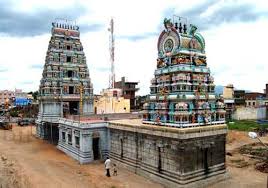
Anthiyur’s cultural heartbeat is inseparable from the Anthiyur Bhadra Kaliamman Temple. The temple’s annual festival draws devotees from across Erode district and neighbouring regions. Fire-walking rituals, kavadi processions and rural theatre performances transform the town into a swirl of devotion and commerce.
The Bhadra Kali festival is not merely religious; it is a social convergence point where agrarian alliances, kinship networks and political conversations intersect.
Beyond the main shrine, Ayyanar temples with terracotta horse installations guard village perimeters. Mariamman shrines host seasonal rituals invoking rain and protection.
Anthiyur’s spiritual life is rural, robust and rhythmic.
Forest Edge and Livestock Traditions
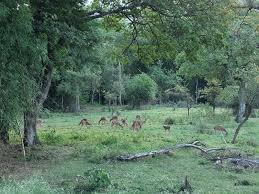
Proximity to the Sathyamangalam forest belt influences parts of the constituency. Cattle rearing remains significant, and livestock fairs are integral to the agrarian calendar. During Pongal season, decorated cattle and rural sports animate village squares.
While large-scale human-wildlife conflict is less pronounced than in deeper forest constituencies, occasional crop damage by wild animals surfaces in discourse.
The constituency stands at a threshold — cultivated plains giving way to wooded uplands.
Roadways and Rural Trade
Anthiyur’s internal roads link it to Bhavani, Gobichettipalayam and Erode town. Market access is vital. Turmeric and agricultural produce move toward regulated markets, tying Anthiyur’s fortunes to regional price trends.
Road relaying and bus frequency to interior villages are perennial demands. Mobility here is utilitarian, connecting farm to mandi, student to college, patient to hospital.
Transport is infrastructure; infrastructure is sentiment.
The Electoral Ledger:
Anthiyur has witnessed competitive but structured contests, reflecting the broader bipolarity of the Kongu belt.
2011
Winner: N. D. Venkatachalam (AIADMK) — 1,03,158 votes
Second: P. Muthusamy (DMK) — 81,746 votes
Third: K. Gurusamy (DMDK) — 27,309 votes
Margin: 21,412 votes
2016
Winner: Rajakrishnan.K.R, (AIADMK) 71,575 votes
Second: Venkatachalam A G, (DMK) 66,263 votes
Third: Gopal S.C.R (PMK) — 11570 votes
Margin: 5312 votes
2021
Winner: A. G. Venkatachalam (DMK) — 1,21,980 votes
Second: K. S. Eshwarappa (AIADMK) — 1,08,574 votes
Third: S. Karthikeyan (Naam Tamilar Katchi) — 22,116 votes
Margin: 13,406 votes
The axis shifted under alliance consolidation, yet margins remained within structured bounds.
Anthiyur’s electorate does not fragment dramatically; it recalibrates within the principal rivalry.
Kongu Discipline and Booth Precision
Western Tamil Nadu’s political culture is marked by organised booth-level machinery. Anthiyur exemplifies that pattern. Community associations, farmers’ groups and local influencers shape turnout patterns.
Campaign spectacle rarely overrides groundwork. Door-to-door outreach and festival participation carry more weight than mass rallies alone.
Anthiyur votes with calculation.
Civic and Agrarian Expectations
Core concerns include:
Canal desilting and timely irrigation release.
Rural road strengthening.
Drinking water supply in summer.
Veterinary services and livestock support.
Agricultural loan waivers, crop insurance settlement timelines and electricity supply stability remain discussion points during campaigns.
Here, governance is judged season by season.
Cuisine and Kongu Palate
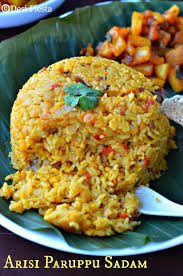
Anthiyur’s culinary culture reflects the Kongu region’s agrarian palate — arisi paruppu sadam, coconut-based gravies, ragi preparations and pepper-spiced meat dishes. Temple festival stalls serve sweet pongal and savouries prepared from local produce.
Food is hearty, practical and tied to field labour.
Folk Traditions and Social Fabric
Village theatre performances during temple festivals, kabaddi tournaments during Pongal and cattle fairs reinforce community cohesion. Folk drumming during Bhadra Kali festivities carries through the night.
Cultural life is participatory rather than performative.
Anthiyur’s social fabric is woven through repetition — annual rituals, seasonal fairs, electoral cycles.
What Decides Here
Three determinants shape Anthiyur’s electoral trajectory:
Irrigation Reliability.
Farmers track canal flow closely.
Agrarian Price Stability.
Turmeric and sugarcane markets influence sentiment.
Organisational Discipline.
Booth strength determines margins.
Anthiyur does not swing wildly. It adjusts within structured competition.
Closing Frame
The Bhavani canal glints under afternoon sun. Bhadra Kali’s temple drums echo at dusk. Cattle graze near field bunds. Lorries roll toward market towns at dawn.
Anthiyur stands at the meeting point of plain and forest, devotion and discipline, agriculture and arithmetic.
When it votes, it does so with the steadiness of canal water — measured, deliberate and grounded in the rhythms of land.
In Anthiyur, mandate cultivated, not conjured.