

Andipatti: Where Leaders Return and Mandates Resound

- Tamil
- Hindi
- Malayalam
- Kannada
- Telugu
Constituency No. 198 | Theni District | General

Andipatti is not merely a western Tamil Nadu constituency. It is a proving ground. A sanctuary. A political refuge at decisive moments.
Few seats in the state carry the symbolic weight that Andipatti does, for it has twice functioned as the stage on which power was reclaimed and legitimacy reaffirmed.
Nestled in Theni district, framed by the Western Ghats and sustained by Vaigai-fed irrigation, Andipatti blends agrarian strength with political memory. Its electorate does not merely vote; it restores.
Mountains, Dams, Mandates
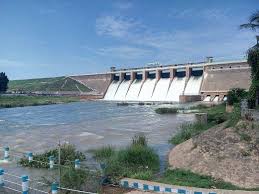
The constituency lies close to the Vaigai Dam, an engineering landmark that regulates irrigation and drinking water across the region. The dam is not just infrastructure; it is livelihood assurance.
Farmers in Andipatti measure stability by water levels.
Beyond the reservoir rise the Western Ghats, guarding estate roads and agricultural belts. Banana plantations, coconut groves and vegetable cultivation define the rural economy. Interior roads connect hamlets to Theni town, Madurai markets and Cumbum valley trade routes.
Temples dot the terrain — village shrines that serve as both spiritual and social anchors. Weekly markets draw farmers, traders and transport operators into compact, lively exchanges.
Andipatti’s landscape is self-contained yet politically expansive.
MGR’s Western Fortress
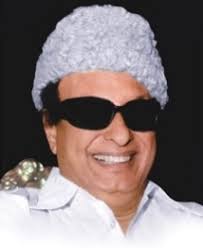
The seat’s political gravitas begins with M.G. Ramachandran (MGR).
In the 1984 Assembly election, while undergoing medical treatment abroad, MGR contested from Andipatti and won decisively. His victory here reinforced his unassailable bond with western Tamil Nadu. The electorate delivered not sympathy, but affirmation.
Andipatti became synonymous with MGR’s enduring charisma — a rural stronghold that stood firm even in moments of uncertainty.
The constituency absorbed his image into its identity. Even decades later, MGR’s memory retains electoral currency in this belt.
Jayalalithaa’s Comeback Stage
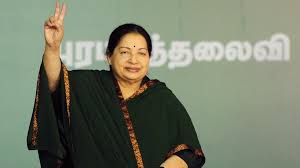
Andipatti’s symbolic role resurfaced dramatically in 2002.
Following legal setbacks that had temporarily barred her from holding office, J. Jayalalithaa contested the Andipatti by-election. The verdict was emphatic. The win enabled her return to the Assembly and the Chief Minister’s chair.
Few constituencies in India have functioned as political re-entry points for two towering leaders. Andipatti has.
It is not a routine battleground. It is a seat of restoration.
The Electoral Ledger:
Recent elections reflect the shifting western Tamil Nadu balance.
2011
Winner: Thangatamilselvan (AIADMK) — 86,372 votes
Second: N. Mookiah (DMK) — 68,249 votes
Third: S. Arumugam (DMDK) — 21,784 votes
Margin: 18,123 votes
2016
Winner: Thangatamilselvan (AIADMK) — 103129 votes
Second: N. Mookiah (DMK) — 72933 votes
Third: Krishnamoorthy M.N (DMDK) — 10776 votes
Margin: 30196 votes
2021
Winner: Maharajan A. (DMK) — 93,541 votes
Second: Logirajan A. (AIADMK) — 85,003 votes
Third: R.Jeyakumar (AMMKMNKZ) — 11,896 votes
Margin: 8,538 votes
The axis shifted. The margin remained substantial, though reduced compared to previous cycles.
Andipatti’s 2021 verdict reflected recalibration rather than rupture.
Andipatti lies within the broader Thevar-dominant belt of western Tamil Nadu. Community alignment influences candidate selection and mobilisation strategies. Organisational depth and local leadership matter deeply.
Key determinants remain grounded:
Water release schedules from Vaigai Dam.
Canal maintenance and desilting.
Road connectivity to interior hamlets.
Crop insurance awareness.
Procurement mechanisms.
Migration to Madurai and Coimbatore has introduced new economic aspirations, yet land remains central to livelihood.
Farm belts do not reward abstraction. They reward attention.
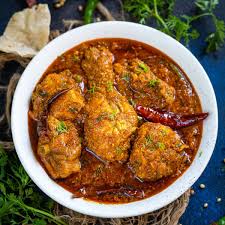 While neighbouring Dindigul may claim fame for biriyani, Andipatti’s culinary identity leans toward rustic western Tamil Nadu staples — country chicken gravies, millets, coconut-based preparations, and festival sweets prepared during temple celebrations.
Andipatti’s history shows that personality can amplify a constituency, but sustained victory requires booth-level strength. The seat has alternated allegiance only when organisational structures recalibrate.
Three forces will define the next verdict:
Irrigation Assurance — Vaigai stability equals electoral stability.
Community Cohesion — fragmentation shrinks margins.
Administrative Reach — presence in villages matters more than rhetoric in rallies.
Andipatti is not easily swayed by national noise. It weighs local performance.
The waters of Vaigai fill slowly and recede carefully. The hills stand watch. The fields endure.
Andipatti’s politics mirrors its geography — firm, measured, and occasionally transformative.