

Gudalur: Where Three States Meet and the Forest Decides

- Tamil
- Hindi
- Malayalam
- Kannada
- Telugu
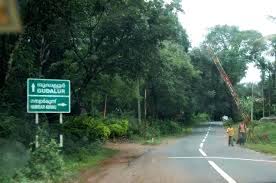
Constituency No. 109 | The Nilgiris District | Reserved (SC)
Gudalur is not merely a hill constituency. It is a frontier — where Tamil Nadu brushes against Kerala and Karnataka, where tea estates give way to thick forest, and where elephant corridors intersect with electoral corridors.
Situated in the western edge of the Nilgiris district, Gudalur carries altitude, biodiversity and borderland complexity in equal measure. It is reserved for Scheduled Castes, but socially and geographically, it is one of Tamil Nadu’s most layered constituencies.
In Gudalur, the forest is not scenery. It is presence.
Forest, Border and Biosphere
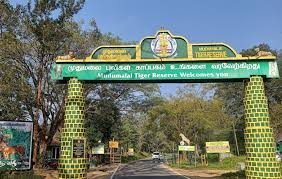
Gudalur lies within the Nilgiri Biosphere landscape, close to the Mudumalai Tiger Reserve. The famed Mudumalai National Park sits within the constituency’s influence, drawing tourists and conservationists alike.
Elephant movement through forest corridors is a recurring reality. Human-wildlife conflict — crop damage, property destruction and occasional loss of life — becomes an electoral issue periodically.
Border proximity shapes identity. Trade, transport and social exchange with neighbouring Kerala and Karnataka influence daily life.
Gudalur lives at the edge — ecological and administrative.
Tea Estates and Tribal Settlements
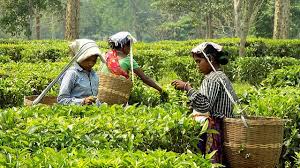
Tea cultivation dominates the economy. Estate workers, small growers and plantation labour form the backbone of the constituency. Wages, housing conditions and welfare schemes for estate workers carry political weight.
Gudalur is also home to indigenous tribal communities, including the Paniyas and Kattunayakans. Forest rights, land pattas and welfare access remain critical concerns.
Reserved status heightens scrutiny of social justice delivery.
In Gudalur, representation must be attentive.
Temples, Churches and Hill Faith
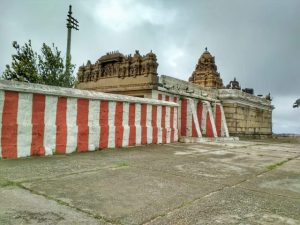
Religious life in Gudalur reflects its border diversity. Village Mariamman temples, hill shrines and small churches coexist across settlements.
The Sri Veerabhadra Swamy Temple and other local temples serve as cultural anchors during annual festivals. Church feasts in estate areas draw large gatherings.
Festivals here are modest but cohesive — often combining tribal tradition with mainstream ritual.
Faith follows the contours of the hills.
Waterfalls and Scenic Trails
Beyond Mudumalai, Gudalur benefits from scenic stretches along the Ooty–Mysore corridor. Forest roads, tea slopes and mist-covered valleys attract steady tourist flow, especially during cooler months.
Eco-tourism provides limited supplementary income to local households.
Yet tourism remains secondary to tea and forest.
The Electoral Ledger:
Gudalur’s electoral history reflects competitive shifts within the Nilgiris belt.
2011
Winner: M. Thirumagan (AIADMK) — 68,612 votes
Second: B. M. Mubarak (DMK) — 59,384 votes
Third: R. Kumar (DMDK) — 18,947 votes
Margin: 9,228 votes
2016
Winner: M. Thiravidamani (DMK) — 62128 votes
Second: Kalaiselvan S.(ADMK) — 48749 votes
Third: Tamizh mani (CPM) — 9044 votes
Margin: 13379 votes
2021
Winner: Pon. Jayaseelan (ADMK) — 64,496 votes
Second: Kasilingam. S (DMK) — 62,551 votes
Third: Ketheeswaran R. (Naam Tamilar Katchi) — 7,317 votes
Margin: 1,945 votes
The margin widened modestly in 2021.
Gudalur remains competitive, with margins often within single-digit thousands.
Civic and Ecological Priorities
Key issues reflect its unique terrain:
Human-wildlife conflict mitigation.
Forest rights documentation and tribal welfare.
Road maintenance along ghat sections.
Estate housing and drinking water supply.
Landslides during heavy rain can isolate villages. Healthcare access across scattered hill settlements remains critical.
Governance here must be terrain-sensitive.
Cuisine and Hill Identity
Gudalur’s culinary palette reflects its borderland culture — rice-based meals, tapioca influences from Kerala, pepper-infused gravies and estate-grown tea dominating daily life.
Tea is not beverage here. It is livelihood.
Local markets sell forest produce alongside vegetables and spices.
Cultural Traditions
Tribal festivals, harvest celebrations and small-scale temple events shape the constituency’s cultural calendar. Folk dances during estate gatherings preserve indigenous identity.
Pongal is celebrated with both agrarian and estate labour significance.
In Gudalur, tradition is quiet but persistent.
What Decides Here
Three determinants shape Gudalur’s electoral direction:
Estate Labour Welfare.
Housing, wages and welfare delivery influence sentiment.
Tribal Land and Forest Rights.
Documentation and access remain crucial.
Human-Wildlife Balance.
Mitigation measures affect daily security.
Gudalur does not produce sweeping mandates. It produces careful choices.
Closing Frame
Mist settles over tea slopes at dawn. Elephants cross forest edges silently. Church bells echo through estate lines. Tribal settlements gather for seasonal ritual.
Gudalur stands at the frontier of Tamil Nadu — ecologically rich, socially layered and politically attentive.
When this hill-border constituency votes, it does so with awareness that forest, field and family all depend on steady governance.
In Gudalur, mandate walks the ghat road — winding, cautious and deliberate.