

1980: Return of MGR and the Consolidation of AIADMK Rule

🌐 Translate ▾
- Tamil
- Hindi
- Malayalam
- Kannada
- Telugu
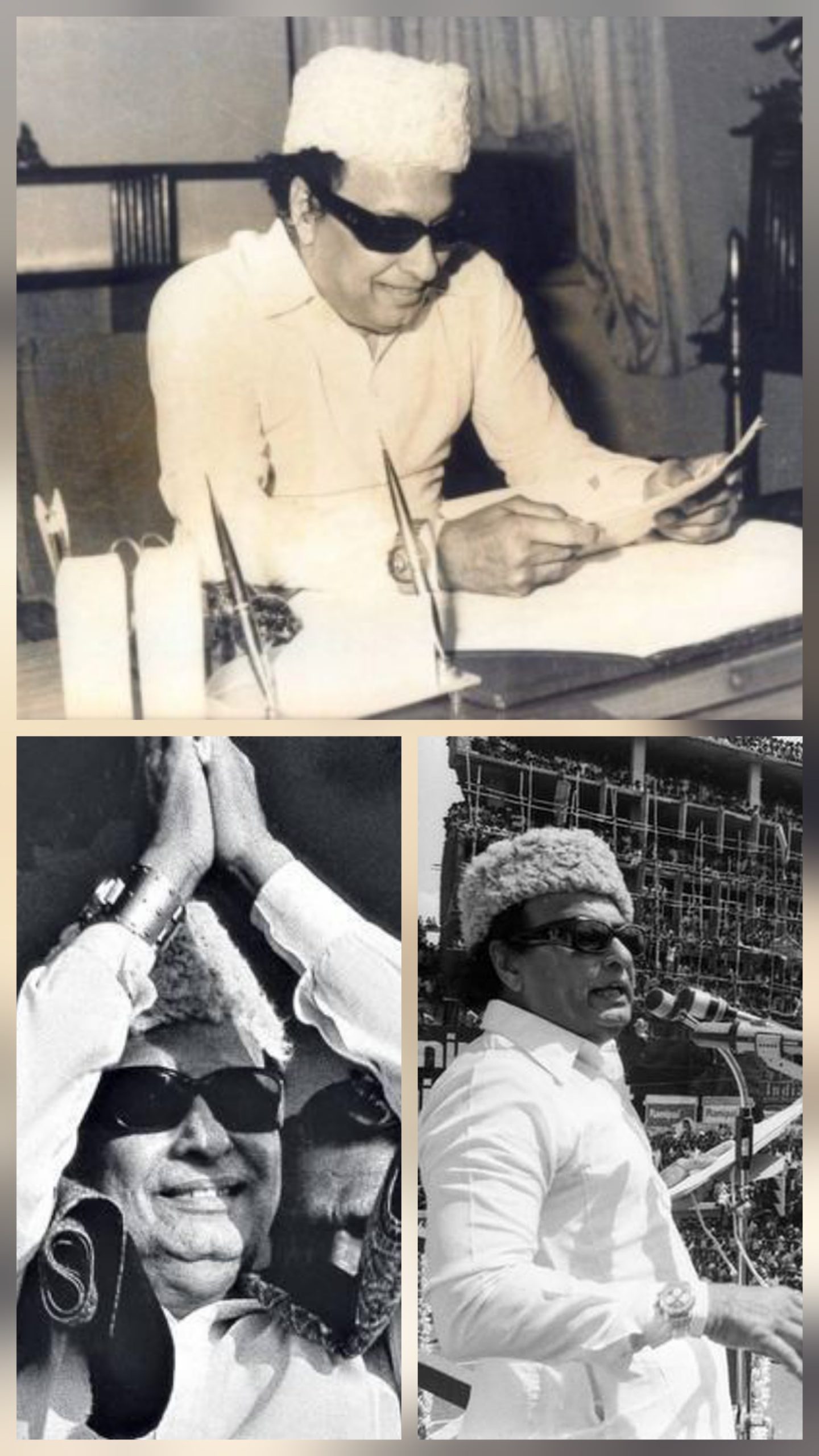
The 1980 Tamil Nadu Assembly election was a significant event in the state’s political history as it reaffirmed the popularity of actor-turned-politician M. G. Ramachandran and strengthened the position of the All India Anna Dravida Munnetra Kazhagam (AIADMK). The election came during a period of political turbulence at the national level and reflected the continuing dominance of Dravidian parties in Tamil Nadu.
Political Background
After the 1977 Assembly election, MGR became Chief Minister and led the AIADMK government in the state. His popularity among the masses, especially among the poor and rural communities, remained extremely high due to his welfare-oriented policies and charismatic leadership.
However, the national political environment changed dramatically in 1979–80 when the central government led by the Janata Party collapsed. In the 1980 parliamentary elections, Indira Gandhi returned to power with a massive mandate for the Indian National Congress (Indira faction).
Following her return to power, Indira Gandhi dismissed several state governments that were not aligned with the Congress party. The AIADMK government in Tamil Nadu was among those dismissed in February 1980, and the state was placed under President’s Rule. This decision led to fresh Assembly elections later the same year.
Electoral Alliances
In the 1980 election, MGR’s AIADMK formed an alliance with the Indian National Congress (Indira). This partnership was strategically important because it combined MGR’s strong regional support with the Congress party’s national influence.
On the other side, the main opposition force was the Dravida Munnetra Kazhagam (DMK) led by M. Karunanidhi. The DMK attempted to regain power by highlighting governance issues and criticizing the dismissal of the previous government.
Campaign Themes
The election campaign focused heavily on welfare policies, leadership personalities, and political stability. MGR’s campaign emphasized his government’s achievements in social welfare, particularly the expansion of the nutritious noon meal scheme for school children, which significantly increased school attendance among poor families.
The AIADMK also highlighted development initiatives, subsidies for essential commodities, and measures aimed at improving the living standards of the poor. MGR’s personal image as a benevolent leader and his popularity as a film icon played a crucial role in mobilizing voters.
The DMK campaign focused on issues of democratic governance and criticized the alliance between AIADMK and the Congress. Karunanidhi attempted to revive the party’s base by appealing to Dravidian ideology and regional pride.
Election Results
The election results clearly demonstrated the continuing popularity of MGR. The AIADMK-Congress alliance secured a convincing victory, enabling MGR to return to power as Chief Minister for a second term.
The victory strengthened the AIADMK’s position as a major political force in Tamil Nadu and confirmed that the state’s politics would continue to be dominated by Dravidian parties rather than national parties.
Political Significance
The 1980 election reaffirmed MGR’s political strength and solidified the AIADMK’s electoral base across the state. It also reinforced the trend of welfare politics that had become central to Tamil Nadu’s electoral landscape.
Another important outcome of the election was the strengthening of the alliance model in Tamil Nadu politics. The success of the AIADMK-Congress partnership demonstrated how regional parties could collaborate with national parties for electoral advantage while still retaining strong regional identities. This strategic alliance politics would later become a recurring feature in Tamil Nadu elections, influencing political strategies for decades.
This election marked another chapter in the intense rivalry between the AIADMK and the DMK, a political contest that continues to shape the state’s politics even today.