


Chennai, June 19:
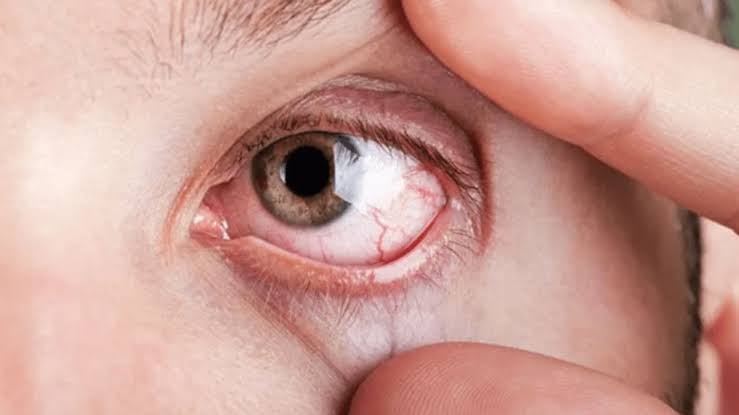
Dry eye problems are emerging as a growing health concern in Chennai, with eye specialists reporting a noticeable increase in cases linked to prolonged mobile phone and computer usage. IT professionals and schoolchildren are among the most affected groups, as daily screen exposure continues to rise across work and education environments.
Doctors say the condition, known as Dry Eye Syndrome, is primarily caused by reduced blinking during extended screen use. Combined with long hours in air-conditioned offices and limited outdoor activity, this is leading to irritation, burning sensation and persistent eye strain among urban residents.
“We are seeing a steady rise in young patients with dry eye symptoms. Continuous screen use reduces blink rate significantly, which affects tear production and stability,” said an ophthalmologist from a Chennai-based eye hospital.
IT employees working in software companies are particularly vulnerable due to long working hours, back-to-back online meetings and minimal screen breaks. Experts note that many professionals spend nearly the entire day in front of digital devices, worsening eye fatigue by evening.
“Most IT workers don’t realise they blink far less than normal while focusing on screens. This leads to dryness, redness and a gritty feeling in the eyes,” another Chennai eye specialist explained.
Doctors are also increasingly concerned about children developing similar symptoms due to excessive smartphone use for entertainment and online learning. Early exposure is leading to a rise in cases that were earlier seen mostly among adults.
“We are now seeing school-going children with signs of dry eyes. Excessive mobile usage is becoming a serious lifestyle-related issue,” a paediatric eye consultant said.
Experts recommend simple preventive measures such as following the 20-20-20 rule, consciously blinking more often, reducing continuous screen time and ensuring adequate hydration. Increasing outdoor activity and limiting recreational screen use among children are also strongly advised.
“Prevention is key. Small habits like regular breaks and proper screen discipline can significantly reduce symptoms,” doctors said, adding that severe cases may require medical treatment including artificial tear drops.
With Chennai’s growing dependence on digital devices for work, education and entertainment, specialists warn that dry eye syndrome could become one of the most common urban lifestyle-related conditions if awareness and preventive habits are not improved.