


New Delhi, July 9:
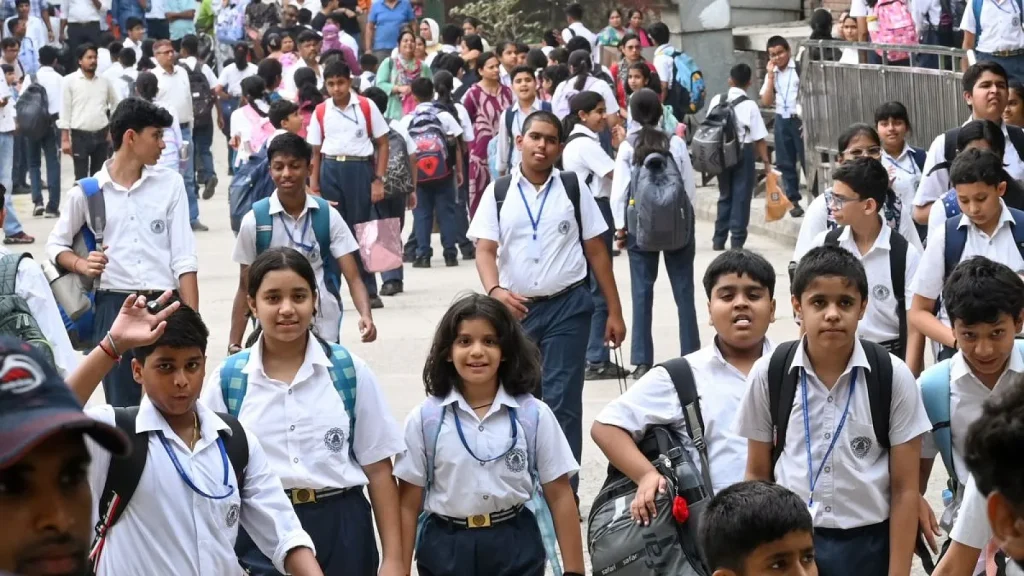
Nearly seven in every 10 school-going children across the country missed school or routine activities because of extreme heat from May to June this year, according to a new report.
The report, based on an assessment conducted by child rights NGO CRY, titled “Feeling the Heat: Children’s Voices on Heat, Well-Being and Learning in India”, gathered responses from 3,096 school-going children aged 10-17 years across 27 states and Union Territories.
“88 per cent of children felt this year’s summer was hotter than previous years. Nearly 68 per cent reported missing school or routine activities due to heat-related distress, while 76 per cent said the heat negatively affected their ability to focus on studies.
“Around 47 per cent identified the afternoon as the most difficult part of the day, and more than 45 per cent said school hours were particularly uncomfortable, underscoring the challenges children face while learning in increasingly hotter conditions,” the report said.
India witnessed repeated heatwave conditions during the summer of 2026, with temperatures crossing 45 degrees Celsius in several states. Schools in many regions revised their timings, curtailed outdoor activities and, in some places, temporarily suspended classes.
According to the Annual Climate Statement 2025 of the India Meteorological Department (IMD), 2024 was India’s warmest year on record since 1901, while the decade 2016–2025 was the warmest ever recorded, with 10 of the 15 warmest years occurring during this period.
The assessment also flagged the growing health burden of extreme heat. Nearly 63 per cent of children reported experiencing dehydration, 51 per cent suffered headaches, and 44 per cent experienced extreme fatigue during periods of intense heat. Heat-related challenges extended beyond schools into children’s homes.
More than half (53 per cent) of the respondents reported frequent power interruptions or overheated living spaces, while nearly three in 10 experienced water shortages, further compounding their discomfort and affecting their daily routines.