

Arakkonam: Junction of Tracks, Trades and Tight Margins

- Tamil
- Hindi
- Malayalam
- Kannada
- Telugu
Constituency No. 36 | Ranipet District | General (Unreserved)
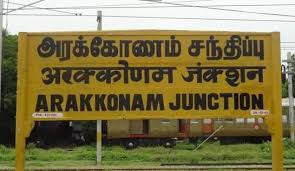
Arakkonam is not built around a temple tower or a textile street. It is built around tracks. Steel lines converge here from Chennai, Bengaluru, Tirupati and Katpadi, making it one of South India’s most important railway junctions. Trains define time. Whistles mark shift. Platforms carry politics.
This is a constituency where movement is constant, but voting patterns are disciplined. Arakkonam does not drift with passing trains. It decides with structure.
Where Tracks Converge
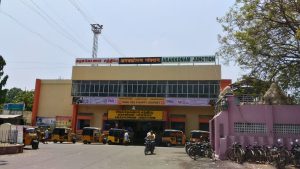
The Arakkonam Junction railway station is the constituency’s heartbeat. A major railway interchange, it links metropolitan Chennai to multiple southern and northern corridors. Railway employment, ancillary services, small eateries and vendor networks revolve around it.
Railway colonies shape residential patterns. Pensioners, employees and contract workers form a steady voting bloc. When railway policy shifts — recruitment, transfers, maintenance — Arakkonam feels it directly.
Few constituencies are as transport-defined.
Temples and Tanks

Beyond the station yard lies an older settlement. The Arulmigu Veeraraghava Perumal Temple in nearby Tiruvallur district draws regional pilgrims, influencing local commerce. Within Arakkonam itself, smaller temple complexes and churches anchor neighbourhood life.
Village tanks and irrigation channels sustain agrarian belts that extend beyond the town’s railway shadow. While urban in perception, the constituency contains rural pockets that remain cultivation-dependent.
Arakkonam balances junction bustle with village quiet.
The Electoral Ledger:
Arakkonam’s recent results reflect competitive consolidation.
2011
Winner: S. Ravi (AIADMK) — 86,746 votes
Second: S. Jagathrakshakan (DMK) — 72,871 votes
Third: P. Elumalai (DMDK) — 24,913 votes
Margin: 13,875 votes
2016
Winner: S. Ravi (AIADMK) — 68176 votes
Second: Rajkumar N (DMK) — 64015 votes
Third: Arpudam R (PMK) — 20130 votes
Margin: 4161 votes
2021
Winner: S. Ravi (AIADMK) – 85,399 votes
Second: J. Gowthama Sannah (VCK) – 58,230 votes
Third: E. Abirami (Naam Tamilar Katchi) — 14,631 votes
Margin: 27,169 votes
The axis shifted. The margin widened again.
Arakkonam’s results show oscillation within a structured two-party contest, with third candidates registering presence but not altering the core arithmetic.
Railway Workforce Influence
Railway employment provides economic stability to a substantial segment of residents. Pension security, medical facilities, and housing rights shape political preference. Any policy affecting central government employees echoes strongly. Yet state-level civic delivery — roads, drainage, public health — remains equally decisive.
Transport hubs demand efficient urban management. Station congestion, road bottlenecks near level crossings, and parking regulation are recurring concerns. When junctions choke, frustration accumulates.
Industrial and Semi-Urban Spread
Arakkonam sits within reach of Ranipet’s industrial corridor. Small manufacturing units and logistics operators add employment layers beyond railway services.
Residential expansion has increased pressure on civic infrastructure. Drainage upgrades and water supply augmentation remain persistent demands.
Urban growth without proportional planning risks narrowing margins.
Food and Familiarity
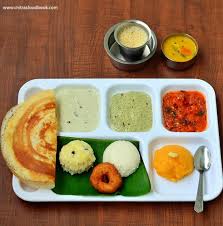
Arakkonam’s culinary identity is less branded than Ambur’s, yet railway towns cultivate their own flavours — platform tea, quick tiffin stalls, biriyani shops catering to passengers and shift workers.
Food here is functional, brisk and community-driven. Politics often travels with tea tumblers near the station gates.
Railway towns develop informal public squares around food counters and ticket queues.
What Decides Here
Three elements guide Arakkonam’s electoral trajectory:
Transport Efficiency.
Rail and road performance shape daily perception.
Urban Services.
Drainage, sanitation and traffic management influence middle-class voters.
Organisational Cohesion.
Margins expand when party machinery aligns with local sentiment.
Arakkonam rarely produces landslide swings without structural cause. It tightens first, then turns.
Closing Frame
Steel tracks cross. Signals blink. Trains arrive and depart in relentless sequence.
Arakkonam’s politics mirrors that rhythm — structured, timed, deliberate.
It may be a junction of routes, but it is not a junction of confusion. When ballots are counted, the verdict is usually clear.
In this railway town, timing is everything — on the platform and in the polling booth.