

Attur: Fort, Farms and the Western Equation

- Tamil
- Hindi
- Malayalam
- Kannada
- Telugu
Constituency No. 82 | Salem District | General
Attur is western Tamil Nadu in miniature. Agrarian in base, commercially alert, politically decisive. It is a constituency that stands at the crossroads of Salem’s industrial gravity and the interior’s farming resilience.
If Ariyalur carries stone and memory, Attur carries grain and calculation. It does not swing easily. It consolidates.
The Fort and the Fields
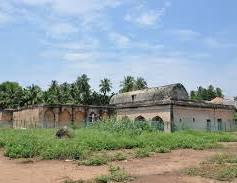
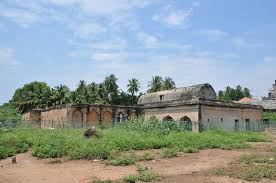
The town derives its name from the ancient Attur Fort, a structure with origins traced to the Nayak period and later modified under regional powers. Though weathered, it remains a physical reminder that Attur once sat within defensive circuits of earlier polities.
Beyond the fort stretch paddy fields, tapioca cultivation and sugarcane belts. The Vasista river system and local irrigation tanks support agriculture, though rainfall variability remains a constant concern.
Weekly markets serve both rural producers and town traders. Attur is not merely a pass-through town; it is an exchange centre.
Highway and Horticulture
Attur lies along the Salem–Chennai highway corridor, benefiting from transport connectivity. Lorry movement and small logistics enterprises supplement farm income.
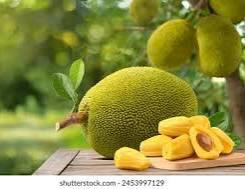
The region is also known for jackfruit cultivation — the famed “Attur jackfruit” enjoys regional recognition. Horticulture adds a distinctive flavour to the constituency’s economy.
Agriculture here is diversified rather than singular.
The Electoral Ledger:
Attur’s recent verdicts show strong consolidation with intermittent contest.
2011
Winner: S. Madheswaran (AIADMK) — 87,901 votes
Second: M. Raman (DMK) — 74,562 votes
Third: P. Kannan (DMDK) — 22,486 votes
Margin: 13,339 votes
2016
Winner: Chinnathambi R.M (AIADMK) — 82827 votes
Second: Arthanari S.K (INC) — 65493 votes
Third: Amsaveni G (PMK) — 18363 votes
Margin: 17334 votes
2021
Winner: A.P. Jayasankaran (AIADMK) – 95,308 votes
Second:K. Chinnadurai (DMK) – 87,051 votes
Third: S. Krishnaveni (Naam Tamilar Katchi – NTK) – 10,233 votes
Margin: 8,257 votes
The gap tightened significantly. Contest sharpened.
Attur has not flipped dramatically in recent cycles, but margins have narrowed. That narrowing is politically meaningful.
Western Power Dynamics
Salem district carries political weight in state leadership equations. Proximity to regional power centres influences Attur’s political temperature.
Community alignments, particularly within western Tamil Nadu’s dominant blocs, shape candidate viability.
Organisational discipline has historically favoured structured parties over experimental alternatives.
Attur’s voter is pragmatic. It aligns with strength.
Agriculture and Anxiety
Key concerns remain grounded:
Irrigation reliability and tank maintenance.
Sugarcane pricing and procurement efficiency.
Horticulture support and cold storage facilities.
Rural road maintenance connecting interior hamlets.
Farm distress can compress margins quickly. Stability expands them.
Attur’s agrarian base does not respond to abstract policy debates. It responds to implementation.
Cuisine and Character
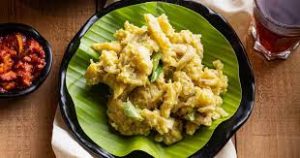
Attur’s jackfruit is part of its culinary identity. Seasonal fruit markets spill into town streets. Rural meals feature millet preparations, tamarind gravies and coconut-based curries. Tea shops near bus stands host political discussion that is sharp but seldom dramatic.
Lifestyle here is industrious and conservative.
What Decides Here
Three determinants will influence Attur’s next verdict:
Agrarian Confidence.
Farm economics anchor loyalty.
Organisational Depth.
Narrowing margins demand booth precision.
Regional Alignment.
Western Tamil Nadu often moves in coordinated arcs.
Attur rarely produces shock outcomes without structural cause.
Closing Frame
The fort walls endure. The jackfruit season returns. Lorries roll along the highway.
Attur’s politics follows similar rhythm — steady, competitive, and shaped by calculation rather than impulse.
In this western constituency, victory is not accidental. It is assembled.
And when the ballots are counted, the margin tells the real story.