

Cheyyar: Temple Stones, Sugar Fields and Subtle Political Swings

- Tamil
- Hindi
- Malayalam
- Kannada
- Telugu
Constituency No. 68 | Tiruvannamalai District | General
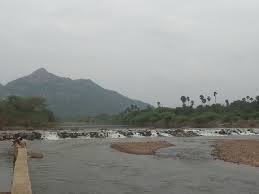
Cheyyar sits along the banks of the Cheyyar river, in the eastern stretch of Tiruvannamalai district, where temple heritage, sugarcane fields and measured political shifts define its character. It is a constituency that does not shout for attention, yet carries layers of Chola-era history and contemporary agrarian concerns.
Here, history is carved in stone — and mandate is shaped in soil.
Vedapureeswarar and Chola Echoes
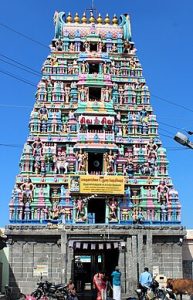
At the heart of Cheyyar town stands the ancient Vedapureeswarar Temple, dedicated to Lord Shiva. The temple’s architectural features reflect early medieval influences, with stone inscriptions and sculptural motifs that speak of Chola patronage.
Annual temple festivals draw devotees from across the district. Processions wind through the town’s narrow streets, where ritual and routine coexist. The temple tank, seasonal though it may be, remains a focal point of communal gathering.
Cheyyar’s spiritual memory precedes its electoral cycles by centuries.
River, Sugarcane and Agrarian Arithmetic
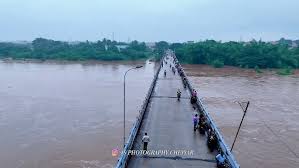
The Cheyyar river — modest yet significant — nourishes pockets of cultivation. Sugarcane, paddy and groundnut fields stretch across the constituency’s rural belts. Tank irrigation and borewells supplement river-fed tracts.
Sugar mills in the wider region influence local economies, and farmers track cane procurement prices closely. Electricity supply for pump sets and canal maintenance are recurring campaign themes.
In Cheyyar, agricultural policy is not distant governance; it is daily calculus.
Road Corridors and Industrial Linkages
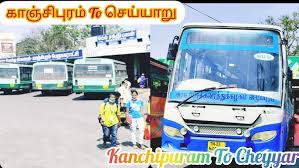
Cheyyar connects to Kanchipuram, Vandavasi and Tiruvannamalai via arterial roads. Transport infrastructure shapes both trade and employment mobility. Young voters often travel toward industrial clusters in neighbouring districts.
The growth of small manufacturing units and trading establishments has modestly diversified the economy. Yet agriculture remains the spine.
Mobility here is aspiration in motion.
Electoral Ledger:
Cheyyar has reflected competitive bipolar dynamics over the past three cycles.
2011
Winner: Mukkur N. Subramanian (AIADMK) — 93,212 votes
Second: V. Viswanathan (DMK) — 78,564 votes
Third: R. Kumar (DMDK) — 23,845 votes
Margin: 14,648 votes
2016
Winner: K. Mohan (AIADMK) — 77766 votes
Second: Dr. Vishnuprasad M K (INC) — 69239 votes
Third: Srinivasan G (PMK) — 37491 votes
Margin: 8527 votes
2021
Winner: Jothi .O (DMK) — 1,02,460 votes
Second: Dusi.K.Mohan (AIADMK) — 90,189 votes
Third: Bheeman.G (Naam Tamilar Katchi) — 12,192 votes
Margin: 12,271 votes
Alliance consolidation widened the gap.
Cheyyar does not oscillate wildly; it sharpens under contest and expands under coalition clarity.
Civic Concerns and Rural Expectations
Key issues raised across election cycles include:
Irrigation reliability during lean monsoons.
Road maintenance linking interior villages.
Drinking water supply in summer.
Market access for sugarcane and paddy farmers.
Public representatives are evaluated on field presence and responsiveness to farmer delegations.
In Cheyyar, delivery must be local and visible.
Folk Traditions and Festival Life
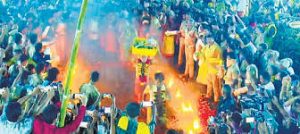
Village Mariamman temples host annual festivals marked by fire-walking, therukoothu performances and communal feasts. Pongal remains a strong cultural anchor, with decorated cattle and rural sports tournaments energising youth participation.
Temple car festivals double as social platforms, where local leaders mingle with constituents.
Culture here is continuity, not spectacle.
Cuisine and Regional Taste
Cheyyar’s culinary profile reflects northern Tamil Nadu’s agrarian palate — rice meals, tamarind gravies, ragi dishes and jaggery-based sweets during festival seasons. Tea stalls and small eateries near bus stands form informal discussion hubs during campaigns.
Food is modest, rooted and communal.
Political Temperament
Cheyyar’s electorate is pragmatic. Caste arithmetic and alliance alignment influence margins, but so does accessibility of the MLA. Voters here distinguish between rhetoric and road repair, between promise and procurement.
Margins may narrow or widen, but verdicts are rarely erratic.
Cheyyar values steadiness with accountability.
What Decides Here
Three determinants shape Cheyyar’s trajectory:
Agrarian Stability.
Cane prices and irrigation shape farmer sentiment.
Candidate Accessibility.
Personal rapport matters in semi-rural belts.
Alliance Structure.
Consolidation can swiftly expand margins.
Cheyyar does not chase political drama; it registers performance.
Closing Frame
The Cheyyar river glints after monsoon showers. Temple bells ring at dusk. Sugarcane carts move toward mills at dawn. Farmers gather beneath neem trees discussing yield forecasts and election whispers.
Cheyyar stands where temple stones meet sugar fields — a constituency anchored in history yet attentive to present needs.
When it votes, it does so with measured clarity.
In Cheyyar, mandate flows quietly — like the river that gives it name.