

Dindigul: The Lock, the Rock and the Gateway to the Hills

- Tamil
- Hindi
- Malayalam
- Kannada
- Telugu
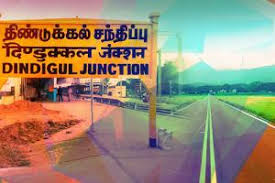
Constituency No. 130 | Dindigul District | General
Dindigul is a hot seat in more ways than one. Politically competitive, geographically central and climatically warm, it stands at the hinge between Tamil Nadu’s plains and its celebrated hill stations.
Ooty-bound traffic may pass elsewhere, but Kodaikanal’s ascent begins in this district. Spice-laden winds from the Palani Hills drift toward its markets. And at the heart of the town, a monolithic rock fort watches over centuries of change.
Dindigul is not peripheral. It is a gateway — to hills, to history and often to heated contests.
The Rock that Commands
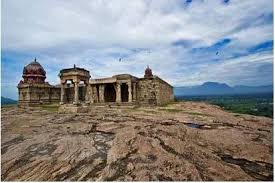
Rising dramatically from the town centre is the historic Dindigul Rock Fort, a 17th-century fort later strengthened under the Nayaks and Mysore rulers including Hyder Ali and Tipu Sultan. Its granite mass dominates the skyline and once guarded strategic trade routes.
The fort is not a relic. It is a reminder that Dindigul has long been contested ground — militarily in the past, politically in the present.
Below it stretch temple streets, bus stands and market yards that define the town’s civic pulse.
Temple, Church and Mosque

Dindigul’s spiritual landscape reflects layered history. The ancient Kalahasteeswarar Temple stands as a Shaivite centre of devotion. Churches and mosques across the constituency reflect its social diversity.
Festivals animate neighbourhoods. Temple car processions and church feasts alike draw participation across communities.
Religious life in Dindigul is integrated into daily routine, not isolated from politics.
Gateway to Kodaikanal

Dindigul town functions as the transit base for the ascent to Kodaikanal in the Palani Hills. Tourist traffic, goods movement and administrative logistics converge here.
Spices, fruits and hill produce descend through Dindigul’s markets. Vegetable and flower cultivation in nearby belts supplements the town’s economy.
The plains and the hills are economically intertwined.
Lock, Leather and Biryani

Dindigul has long been associated with lock-making. Traditional iron locks produced here earned reputation for durability, embedding the town’s name in trade networks.
The constituency is also known for leather processing units and small-scale industries. And in culinary conversation, Dindigul biryani — distinct in flavour and preparation — carries recognition beyond district boundaries.
Here, commerce and cuisine reinforce identity.
The Electoral Ledger:
Dindigul’s recent contests underscore its competitive nature.
2011
Winner: Balabharathi K. (CPI(M)) — 87,123 votes
Second: N. V. Natarajan (AIADMK) — 82,345 votes
Third: S. Rajendran (DMDK) — 28,417 votes
Margin: 4,778 votes
2016
Winner: C. Srinivasan (AIADMK) — 91413 votes
Second: Basheer Ahamed M (DMK) — 70694 votes
Third: Pandi N (CPM) — 8657 votes
Margin: 20719 votes
2021
Winner: C. Srinivasan (AIADMK) — 90,595 votes
Second: N.Pondy (CPI) — 72,848 votes
Third: Jayasundar R (Naam Tamilar Katchi) — 14,860 votes
Margin: 17,747 votes
The axis shifted, with margin widening under consolidation.
Dindigul oscillates within disciplined bipolar competition. Third candidates rarely overturn the core contest.
Agrarian and Industrial Blend
Beyond town limits lie paddy fields, coconut groves and vegetable cultivation. Irrigation depends on tanks and regional water systems. Agricultural stability remains foundational.
Simultaneously, small industries — lock-making workshops, leather units and trade houses — provide non-farm employment. Economic diversification gives Dindigul resilience.
Policy on MSMEs, electricity tariffs and market access resonates here.
Transport and Transit Pressure
As a nodal town connecting Madurai, Karur, Tiruchirappalli and the hill ascent, Dindigul experiences sustained vehicular flow. Road maintenance and traffic regulation are recurring demands.
Railway infrastructure links it to southern and central Tamil Nadu corridors, reinforcing its commercial position.
Transit defines Dindigul’s daily rhythm.
Civic Expectations
Key priorities include:
Urban drainage and solid waste management.
Tank desilting and rural irrigation maintenance.
Market yard infrastructure for agricultural produce.
Employment generation through MSME support.
District headquarters status elevates administrative expectations.
In Dindigul, governance must keep pace with movement.
Cultural Texture
Temple festivals, hill produce markets and lock-making workshops coexist within narrow town lanes. Dindigul’s biryani outlets bustle during evenings, adding to the town’s sensory identity.
Politics here is animated. Campaigns can be intense, alliances scrutinised, margins debated with vigour.
It is a hot seat not merely in temperature, but in tone.
What Decides Here
Three determinants shape Dindigul’s electoral trajectory:
Urban Service Delivery.
District headquarters demands efficiency.
Agrarian Stability.
Water and crop price confidence influence mood.
Organisational Strength in Competitive Contests.
Margins tighten when campaigns intensify.
Dindigul does not drift. It contests.
Closing Frame
The Rock Fort casts long evening shadows over bustling streets. Hill-bound buses rev engines toward Kodaikanal’s ascent. Lock-makers hammer iron into intricate shapes. Biryani steam rises from roadside kitchens.
Dindigul stands as gateway and battleground — between plains and hills, between trade and tradition.
When it votes, it does so with the intensity of a constituency aware of its weight.
In this town of rock and route, mandate is never casual.