

Lalgudi: Cauvery Fields, Temple Towers and the Cultural Gateway to Tiruchirappalli

- Tamil
- Hindi
- Malayalam
- Kannada
- Telugu

Constituency No. 143 | Tiruchirappalli District | General
Lalgudi stands in the fertile heart of the Cauvery delta, just east of Tiruchirappalli city. Though administratively a separate constituency, its life and economy are closely tied to the larger urban centre of Trichy while retaining the strong agrarian character of the Cauvery basin. Paddy fields stretch across the countryside, irrigation canals crisscross the villages, and temple towers rise above clusters of traditional houses.
For centuries, Lalgudi has been part of the agricultural and cultural landscape shaped by the Cauvery river. Its villages reflect the rhythm of cultivation seasons, temple festivals and rural markets that sustain everyday life.
Lalgudi therefore represents the enduring strength of the delta’s rural civilisation.
Cauvery’s Fertile Belt

The constituency lies within one of Tamil Nadu’s most productive agricultural zones. Branches of the Cauvery river and an extensive network of irrigation canals supply water to the fields surrounding Lalgudi.
Farmers cultivate paddy as the primary crop, while banana, sugarcane and vegetables supplement agricultural income. During good monsoon seasons, the region becomes a sea of green fields stretching toward the horizon.
Water management remains central to the constituency’s economic stability. Timely release of Cauvery water and the maintenance of irrigation channels are key concerns for farmers.
In Lalgudi, the prosperity of the land depends directly on the health of the river.
Temple Heritage and Sacred Traditions

Religion forms an integral part of Lalgudi’s identity. Among the most prominent spiritual landmarks in the region is the ancient Saptharishiswarar Temple, a historic Shiva temple with deep roots in the religious traditions of the Cauvery delta.
Temple festivals attract devotees from neighbouring villages, and processions through the streets accompanied by traditional music remain a vibrant part of local culture.
The constituency also lies within reach of some of Tamil Nadu’s most famous temples in Tiruchirappalli district, including the renowned Srirangam Ranganathaswamy Temple, one of the largest functioning temple complexes in the world.
Such proximity to major pilgrimage centres reinforces Lalgudi’s spiritual atmosphere.
Cultural and Musical Legacy
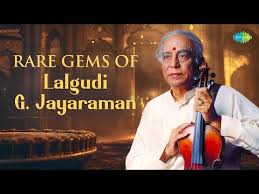
Lalgudi has contributed significantly to Tamil Nadu’s classical arts, particularly Carnatic music. The town is closely associated with the legendary violin maestro Lalgudi Jayaraman, whose contributions to Indian classical music earned international recognition.
His distinctive musical style and compositions influenced generations of performers, bringing global attention to the town’s cultural heritage.
The artistic legacy of figures like Jayaraman adds another dimension to Lalgudi’s identity.
Agriculture and Rural Markets
Beyond temples and cultural traditions, the everyday life of Lalgudi revolves around agriculture and local trade. Weekly markets allow farmers to sell vegetables, grains and livestock while purchasing farming supplies.
Transport networks connect the constituency’s villages to Tiruchirappalli city, where agricultural produce reaches larger commercial markets.
Although primarily rural, Lalgudi benefits from its proximity to the economic and educational opportunities of the nearby city.
Electoral Ledger:
Lalgudi’s electoral contests have reflected the shifting political currents of the Cauvery delta.
2011
Winner: A. Soundarapandian (AIADMK) — 93,842 votes
Second: A. P. Appadurai (DMK) — 81,672 votes
Third: R. Kumar (DMDK) — 24,785 votes
Margin: 12,170 votes
2016
Winner: A. Soundarapandian (DMK) — 77946 votes
Second: Vijayamurthy (ADMK) — 74109 votes
Third: Jayaseelan M (CPM) — 6784 votes
Margin: 3837 votes
2021
Winner: A. Soundarapandian (DMK) — 84,914 votes
Second: D. R. Dharmaraj (AIADMK) — 67,965 votes
Third: I. Malar Tamilprabha (Naam Tamilar Katchi) — 16248 votes
Margin: 16,949 votes
The constituency often reflects the broader political mood of the Cauvery delta districts.
Civic and Development Concerns
Residents frequently highlight several issues affecting the constituency:
Irrigation management and maintenance of canal systems.
Road infrastructure linking villages to Tiruchirappalli city.
Agricultural procurement and market support.
Employment opportunities for rural youth.
Balancing agricultural sustainability with modern development remains a key challenge.
Cuisine of the Delta
Food traditions in Lalgudi reflect the rich agricultural produce of the Cauvery basin. Rice dominates daily meals, accompanied by lentil-based gravies, vegetables grown in local fields and traditional sweets prepared during temple festivals.
Seasonal harvests influence the flavours of the region’s cuisine.
Food here celebrates the bounty of the delta.
Political Temperament
The electorate of Lalgudi consists largely of farmers, agricultural labourers, small traders and commuters connected to Tiruchirappalli’s urban economy. Political mobilisation often occurs through village meetings, farmers’ associations and temple festivals.
Campaigns frequently focus on irrigation projects, agricultural welfare and rural infrastructure.
Politics here remains deeply connected to the land.
What Decides Lalgudi
Three factors usually influence electoral outcomes:
Cauvery water availability
Irrigation determines agricultural prosperity.
Agricultural policies
Support prices and subsidies shape rural sentiment.
Alliance dynamics
Statewide political alignments influence margins.
Lalgudi voters often weigh these factors carefully before casting their ballots.
Closing Frame
Across the plains of Lalgudi, paddy fields shimmer under the Cauvery sun while temple bells ring through quiet village streets. Farmers prepare their fields even as musicians recall the town’s rich artistic legacy.
Lalgudi stands as a living symbol of the Cauvery delta’s cultural and agricultural heritage — a constituency where river, temple and tradition continue to shape political choices.
When Lalgudi votes, the verdict rises from the fertile fields of the delta.