


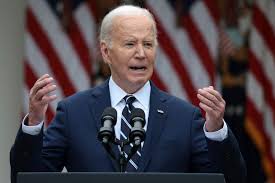
 Nogales, Mexico, August 10: The recent directive by President Joe Biden to curtail asylum applications has led to a dramatic reduction in migrant crossings at the US-Mexico border, but it has also ignited significant controversy over its human cost.
In early June, Ofelia Arrellano fled Mexico City with her two sons, escaping threats from local gangs. Their journey took them to the US-Mexico border, but when they arrived, they encountered the fallout of Biden’s latest immigration policy. Under the new rule, asylum requests are barred if the number of daily illegal crossings exceeds 2,500. With the border effectively closed to most asylum claims, Arrellano was deported back to Mexico.
The policy, which mandates a temporary shutdown of asylum processing when illegal crossings spike, is designed to address the surge in migration. However, it has drawn sharp criticism from advocacy groups and some Democratic lawmakers who argue that it forces asylum seekers to wait in perilous conditions and undermines legal protections established by the Refugee Act of 1980.
A letter from 19 US House representatives, including prominent figures like Alexandria Ocasio-Cortez and Pramila Jayapal, calls for the policy’s immediate end. They contend that the directive mirrors previous, more restrictive measures and violates international law.
Rights advocates report that many migrants seeking asylum are being ignored or mistreated by US border agents. According to an amicus brief filed by organizations including the ACLU, asylum seekers have been denied interviews, threatened, or told that asylum is no longer an option.
The policy’s effects are evident in the steep decline in migrant apprehensions. Border patrol data shows that June’s apprehensions fell to a three-year low, with a continued decrease in July. The executive order remains in effect until average daily unlawful crossings drop below 1,500 for a week.
Critics argue that the policy has pushed migrants into increasingly dangerous routes, with reports of individuals attempting to evade detection by crossing harsh desert terrains. Humanitarian groups, like the Kino Border Initiative, report a surge in deported individuals seeking assistance, with up to 80% being women and children. The organization highlights the growing risk of migrant deaths due to extreme desert conditions.
Despite these challenges, the Biden administration maintains that the policy is a necessary measure to control the border and address migration effectively. However, the debate continues over balancing border security with humanitarian obligations and the rights of those fleeing persecution.
In the meantime, individuals like Arrellano face an uncertain future, struggling to find safety and stability while the policy’s impacts unfold.