


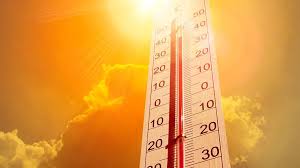
 According to the Tamil Nadu Meteorological Centre’s latest bulletin on June 9, ten locations across the state recorded heat‑wave level temperatures. The highest scorching temperature was registered in Thoothukudi, reaching 103 °F (39.4 °C). Following closely, Chennai Meenambakkam and Madurai Airport reported highs of 102 °F (39 °C)
Beyond the highest peaks, several other areas experienced significant heat, with temperatures above 100 °F (38 °C):
Chennai Nungambakkam, Aadiramapattinam, Cuddalore, Karur Paramathi, Nagapattinam, Palayankottai, and Puducherry .
The meteorologists confirmed that such widespread highs—both in magnitude and distribution—meet the criteria for heat‑wave conditions.
Experts attribute these growing heat spikes to both climate change and the urban heat‐island effect. Rapid urbanization in cities like Chennai, Coimbatore, and Tiruchirappalli has raised daytime and nighttime temperatures, reducing opportunities for natural cooldown . Additionally, reduced cloud cover—partly due to delayed monsoons—has intensified solar heating over northern and coastal districts
The prolonged heat poses serious risks: dehydration, exhaustion, and heat stroke—especially affecting outdoor laborers, the elderly, and children. The state government has formally recognized heat‑wave conditions as a disaster, urging public health authorities to track related illnesses closely