


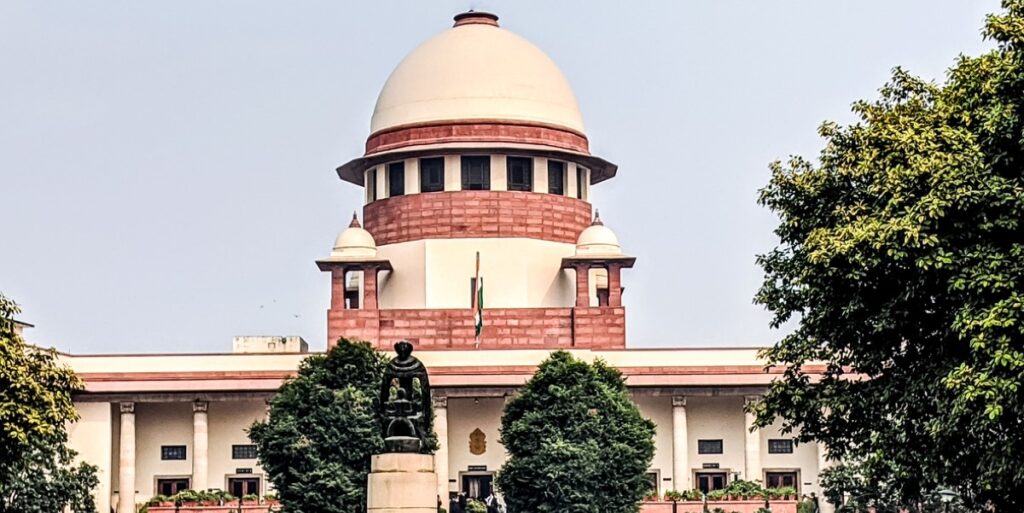
 The Supreme Court of India has ruled that it is inappropriate for courts to impose fixed timelines on the President and Governors for granting assent to bills passed by state legislatures.
Delivering the opinion on a Presidential Reference by President Droupadi Murmu under Article 143 of the Constitution, a five-judge Constitution Bench led by Chief Justice B.R. Gavai emphasized the need to respect the constitutional scheme and separation of powers.
The Court clarified that while Governors and the President have discretionary powers under Articles 200 and 201 of the Constitution, courts cannot substitute their decisions by imposing deadlines or invoking the controversial concept of deemed assent, which would amount to judicial overreach.
However, the Court also noted that in cases of prolonged, unexplained delays in granting assent that hinder the legislative process, courts can intervene and direct the Governor to decide within a reasonable time frame without commenting on the merits of the bill itself.
This landmark judgment balances the autonomy of constitutional authorities with safeguards against arbitrariness, underlining that the Governor cannot indefinitely withhold bills and must either grant assent, reserve the bill for the President, or return it to the legislature.
The ruling reinforces cooperative federalism by encouraging dialogue between Governors and legislatures without judicial micromanagement, clarifying vital constitutional questions regarding legislative governance in India.